
Gravel roads wind through glacial valleys, turquoise rivers, and ancient forests along one of South America’s most remote and scenic routes. Carretera Austral isn’t just a drive—it’s an odyssey through Chilean Patagonia’s raw, untamed wilderness. With limited infrastructure and unpredictable weather, this journey rewards those who trade comfort for authenticity. Adventurers seeking solitude, epic views, and cultural depth will find all three along this legendary highway. From hidden fjords to sleepy villages untouched by mass tourism, every stretch of road offers something extraordinary. This guide covers how to navigate the route, what to pack, and where the true magic lies.
Boardwalk Sunset Loop in Caleta Tortel

Evening light casts long golden lines across the weathered planks that snake through Caleta Tortel’s unique boardwalk village. Built entirely on stilts above the fjord, this car-free settlement connects homes, viewpoints, and small docks via raised wooden paths. The loop trail that begins near the main plaza leads visitors through cypress-scented walkways that wind past colorful houses and panoramic lookouts. As the sun lowers behind the fjord’s jagged ridges, the wood reflects a warm hue, making it one of the most photogenic golden hour walks in southern Patagonia.
Several benches tucked into alcoves offer ideal resting spots to sip maté or quietly absorb the shifting light. Along the way, you’ll pass local artisan stalls and the occasional fishing skiff lazily moored just below eye level. The absence of traffic noise, combined with the soft creak of timber underfoot, amplifies the town’s tranquil rhythm. For photographers, the backlit views toward the Río Baker estuary are particularly rewarding around sunset. Though short in length, this loop captures Caleta Tortel’s spirit—slow, deliberate, and deeply rooted in its environment. Wear shoes with grip, as the boards can get slick with evening mist. It’s a quiet end to the day that lingers in memory.
Self-Camping Spot with Glacier Views Near Villa O’Higgins
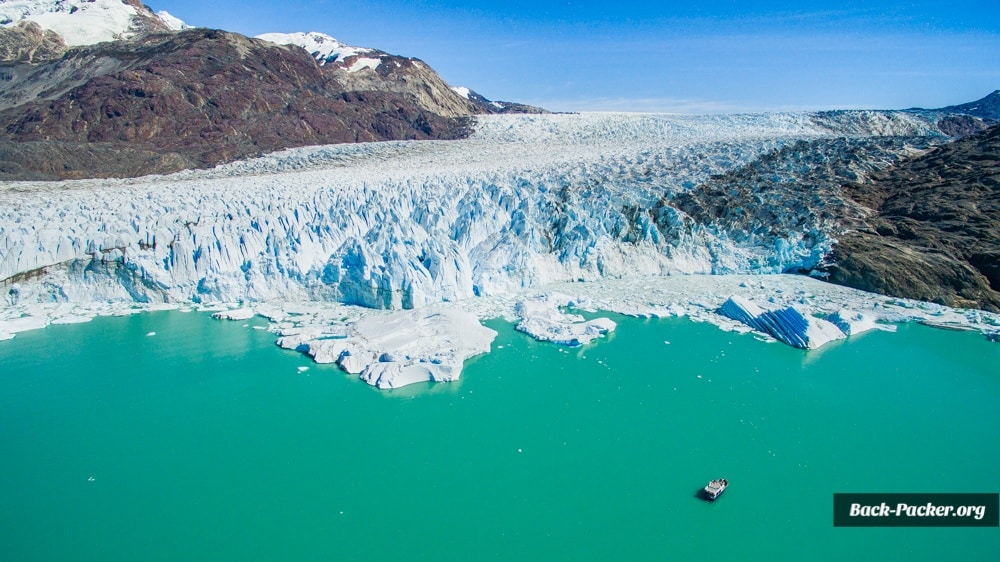
Remote travelers heading toward Villa O’Higgins will find a treasured wild camp location just before town with uninterrupted glacier vistas. This free roadside turnout is located a few kilometers south of the village, where the valley opens to reveal hanging icefields pouring from the Southern Patagonian Ice Cap.
Gravel clearings alongside the riverbank offer enough space for tents or camper vans, with flat ground, minimal wind exposure, and full view of the cascading blue ice. The soundscape includes distant crackling from shifting glaciers and the occasional rush of meltwater joining the stream below. Morning mist often lifts to reveal alpenglow on the peaks, creating a surreal backdrop for breakfast from your sleeping bag.
No facilities exist at this site, so pack out all waste and come prepared with water and fuel. That said, the raw beauty and solitude here are worth every extra effort. It’s also one of the last comfortable wild camps before the ferry connection to Candelario Mancilla. With Villa O’Higgins just minutes away, this location lets you experience raw Patagonia without needing to fully disconnect. Bring extra layers—even summer nights here dip close to freezing. The serenity makes it ideal for those chasing both budget and beauty.
Cerro Castillo Sunrise Hike With Coffee Ridge Stop
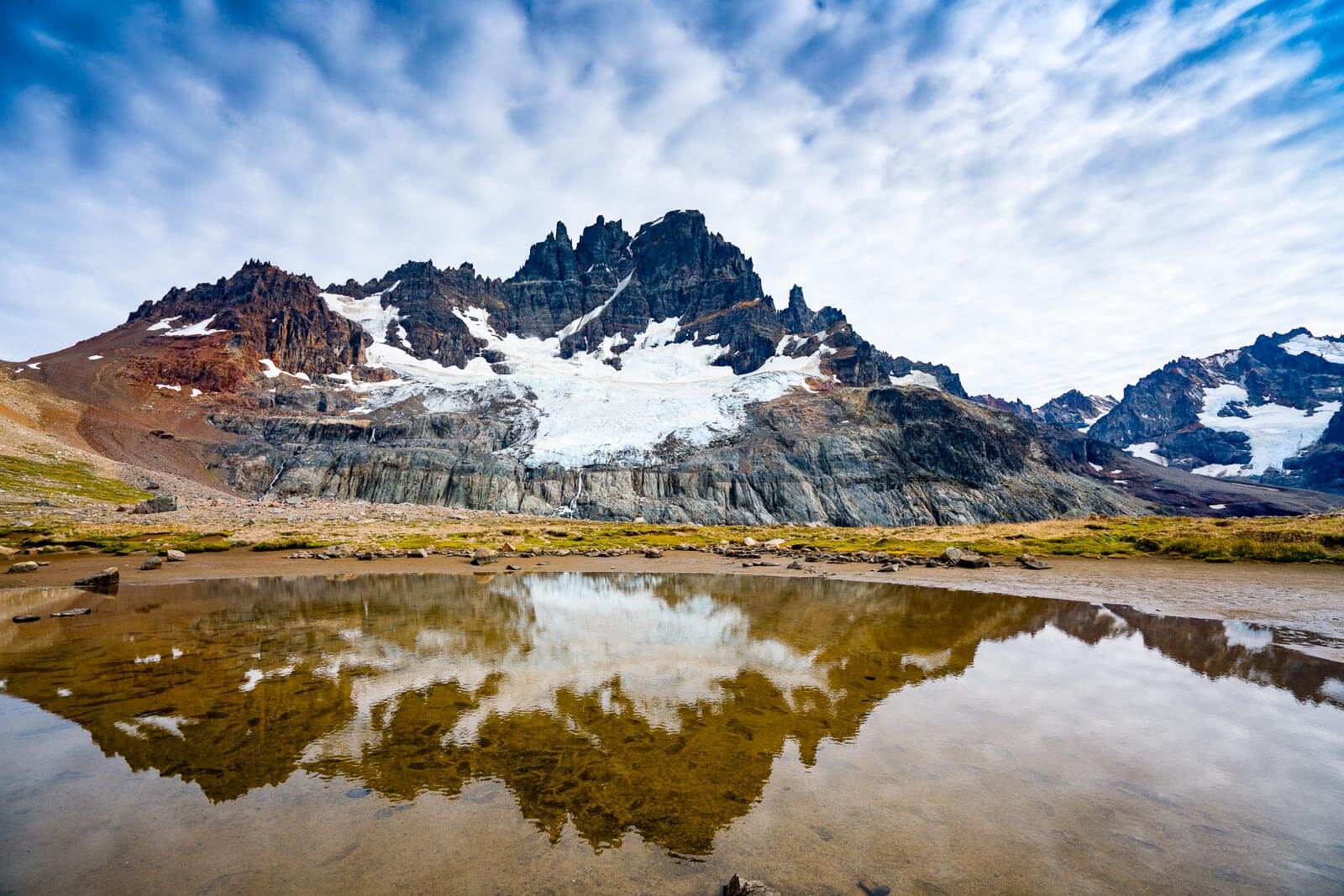
Pre-dawn trail crunch underfoot becomes a familiar rhythm for hikers tackling Cerro Castillo’s dramatic viewpoint hike. Starting from Las Horquetas sector, the steep switchbacks climb quickly into alpine terrain. The reward, just above the treeline, is a high ridge that aligns perfectly with sunrise above jagged basalt spires.
Locals call this informal perch “Coffee Ridge” because it’s the spot where early risers pause to brew up warmth while the first rays strike Cerro Castillo’s sawtooth crown. The changing palette of pinks, golds, and icy blues across the glacier-fed basin makes this a must for photographers. Though the main viewpoint lies further ahead, this resting point offers nearly the same grandeur with half the climb.
Keep an eye on condors that circle in the thermals as the sun strengthens. During spring, you may also spot wildflowers clinging to rocky outcrops nearby. It’s essential to start early, both for lighting and to avoid the mid-morning crowds making their way uphill. Layered clothing, trekking poles, and high-calorie snacks are essential for this moderate to strenuous outing. This section of the Carretera Austral rewards effort with silence, scenery, and a moment of absolute mountain clarity—best enjoyed with your hands wrapped around a hot metal mug.
Narrow Suspension Bridge Crossing in Puyuhuapi Forest

Old-growth rainforest envelopes the narrow suspension bridge hidden just beyond Puyuhuapi village. This local shortcut crosses a deep, moss-lined gorge where water rushes over black volcanic stone, offering a hidden thrill for those willing to wander off the main route.
The bridge, constructed of timber slats and metal cable, sways subtly with each step, offering both an adrenaline spike and a rare canopy-level view of the surrounding Valdivian forest. Ferns, lichen-draped trees, and distant bird calls give this spot a distinctly primal feel. The short trail leading here often gets missed by those speeding north toward Queulat, but it’s a gem for those exploring slowly.
In wetter months, the gorge swells with glacial runoff, creating a roar that echoes beneath your feet. It’s best to wear waterproof boots, as the approach can get muddy. While the bridge isn’t long, it demands attention, especially if you’re crossing with a pack. Locals sometimes use it to access foraging spots on the far side, adding a sense of purpose to this otherwise hidden span. Morning fog often lingers here longer than elsewhere, giving the entire setting an otherworldly calm. Pause mid-bridge—not for long—and look both ways. Few spots blend forest solitude and quiet drama quite like this.
Mirrored Lake Shot at Lago General Carrera Lookout

When skies clear above Lago General Carrera, the lookout near Puerto Guadal becomes a canvas of perfect reflection. This elevated rest stop off the highway offers a sweeping panoramic view of South America’s second-largest lake—a body so vast it often creates its own weather patterns.
On calm days, the cerulean surface reflects the surrounding snow-dusted Andes with near-glass precision. Early morning or just before sunset are ideal for capturing mirror-like shots, especially when the water remains undisturbed by wind. Pullouts are available for cars, and the rocky ledge nearby has enough space for tripods or a thermos break.
Despite its modest signage, this viewpoint ranks among the most photogenic spots along the Carretera Austral. Its vantage offers a sense of scale rarely matched elsewhere—the distant Patagonian Icefield to the west and the Argentine border ranges beyond the lake’s far shore.
Birdwatchers may spot upland geese or black-faced ibises along the banks below. In winter, the peaks catch pink light, making the lake’s blue tone pop even more. No services exist here, but the proximity to town makes it easy to swing by with minimal planning. For those chasing the perfect landscape shot without a multi-hour hike, this viewpoint delivers with effortless power.
Picnic Platform Over Waterfall at Queulat Hanging Glacier

Wooden steps tucked into the forest lead to a hidden picnic platform perched beside a roaring waterfall below the Queulat Hanging Glacier. Located a short detour off the main mirador trail, this quiet ledge offers an intimate view of the glacial meltwater as it thunders down sheer cliffs.
The platform, often overlooked by visitors rushing toward the primary glacier lookout, is equipped with basic seating and railing protection—perfect for unpacking a lunch or sipping maté beneath a canopy of lenga trees. Sound from the falls drowns out nearby chatter, allowing you to fully absorb the moment.
Around midday, sunlight filters through the mist, creating rainbows that dance above the plunge pool. For those interested in long-exposure photography, this angle gives a powerful foreground beneath the distant glacier tongue. It’s advisable to bring waterproof clothing, as the spray can travel far when winds shift.
Despite the growing popularity of Queulat, this little stop remains uncrowded, offering a more grounded, sensory-rich experience of the park. Foot traffic here is mostly locals or repeat travelers who know the reward of pausing en route. With the glacier looming silently above and cold air brushing your face, this platform delivers a front-row seat to one of Patagonia’s most dynamic natural shows.
Ferry-Timing Hack for Río Bravo Crossing

Miss the scheduled Río Bravo ferry and you could face a five-hour wait—or more. This remote stretch near the southern end of the Carretera Austral depends on a limited car ferry to cross a deep, fjord-like channel with no bridge alternatives.
Timing here is everything. Ferry schedules shift seasonally and may change without notice due to wind or mechanical issues. Your best chance lies in arriving at least 30 minutes before the earliest listed departure, even earlier if you’re hauling a camper van or towing gear. Mornings tend to see fewer vehicles lined up, especially during shoulder seasons.
No services exist at the dock, so bring food, water, and layers. If you’re delayed, the waiting area offers photo opportunities across the reflective water, especially during early light or approaching fog. Locals often chat at the dock—an excellent chance to glean road tips or learn about backcountry detours.
Check updates in Cochrane or Villa O’Higgins before making the journey. Some travelers even camp near the ferry to ensure pole position for the next day. While the crossing only takes minutes, failing to plan can derail your entire travel day. This brief boat ride carries more logistical weight than it appears—treat it accordingly.
Laguna San Rafael Hidden Viewpoint by Gravel Spur
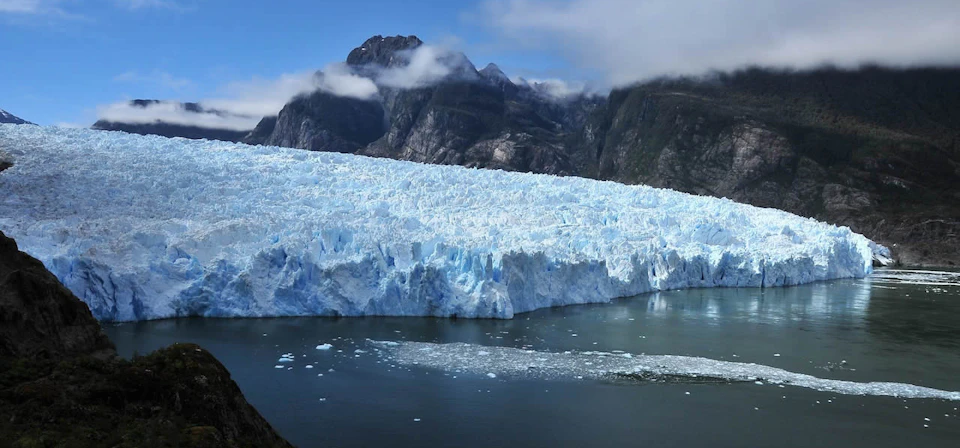
Travelers willing to veer off the typical route can uncover a quiet viewpoint overlooking the iceberg-filled waters of Laguna San Rafael. This gravel spur trail, known mostly by locals and guides, branches off the main access road north of the lagoon’s tour port and leads through dense brush to a rise above the glacier-fed lake.
Unlike the boat tours that approach the calving front up close, this land-based vantage gives a broader perspective—one where you see both the sprawling ice mass and floating chunks dotting the water like shattered glass. Morning visits often yield blue tones so vivid they seem unreal.
The trailhead is unmarked, requiring either GPS coordinates or guidance from someone in nearby Puerto Tranquilo or Bahía Exploradores. After 20–30 minutes of hiking, the forest thins to reveal the lookout. No fencing or facilities are in place, so tread carefully along cliff edges.
Bring binoculars to spot condors above and icebergs below. This viewpoint isn’t about convenience—it’s for those craving space, silence, and scale. If you’re already venturing toward this remote section of northern Patagonia, the extra effort here pays off with a view few travelers ever see. It’s a rare land-based window into a world dominated by water and ice.
Rustic Wood-Fired Baths Along Río Palena

Steam rises gently from wooden tubs tucked along the Río Palena riverbank, where rustic wood-fired baths offer one of Patagonia’s most authentic and relaxing detours. These hand-crafted soaking spots, often located on private estancias or eco-lodges, harness nearby natural springs and glacier-fed streams to deliver mineral-rich warmth with a view.
Logs stacked beside each tub await your participation—guests typically light the fire themselves a few hours before bathing, making the experience part ritual, part reward. Once the water heats to a comfortable temperature, you’re free to soak under open skies, often with no one else around for miles.
The river rushes past just feet away, its cold blue current offering contrast to the steaming tubs. This is a favorite among overlanders and cyclists who stumble upon signs reading “baños calientes” and follow dirt roads into the trees.
Some locations offer basic amenities like outdoor showers or sheltered changing areas, but others remain fully DIY. Bring swimwear, towels, and patience—the slower pace is the point. If timed during sunset or under a blanket of stars, the experience becomes unforgettable. With no sound but crackling firewood and flowing water, the Río Palena baths blur the line between wilderness and wellness.
Sleep-In Van Spot Overlooking Rio Baker Rapids

One of the most rewarding vanlife stops along the Carretera Austral lies just outside Cochrane, where a gravel turnout overlooks a wild stretch of the Río Baker—the most voluminous river in Chile. From this elevated bluff, turquoise rapids rage below, flanked by sculpted rocks and wind-swept lenga trees.
This unofficial pull-off, popular among self-drivers, offers flat ground, privacy, and an unbeatable sunrise view without leaving your sleeping bag. Wake slowly to the roar of water below and golden light slicing through morning mist. The sound alone makes this spot more restorative than many official campgrounds.
There’s no signage or amenities, so you’ll need to be self-contained and follow Leave No Trace ethics. Access is best for 4WD or high-clearance vehicles, though cautious drivers in smaller rigs have made it safely.
Photographers will appreciate the strong color contrast between the river and the surrounding rock. Anglers often drop a line nearby, and it’s not unusual to spot condors riding thermals overhead. Whether you stay one night or make it a multi-day base, this stop combines Patagonia’s signature solitude with scenery that feels cinematic. With nothing but wind and water to fill the silence, it’s an ideal break for anyone craving stillness mid-journey.
Horseback Trek Into Patagonia National Park’s Quiet Zone
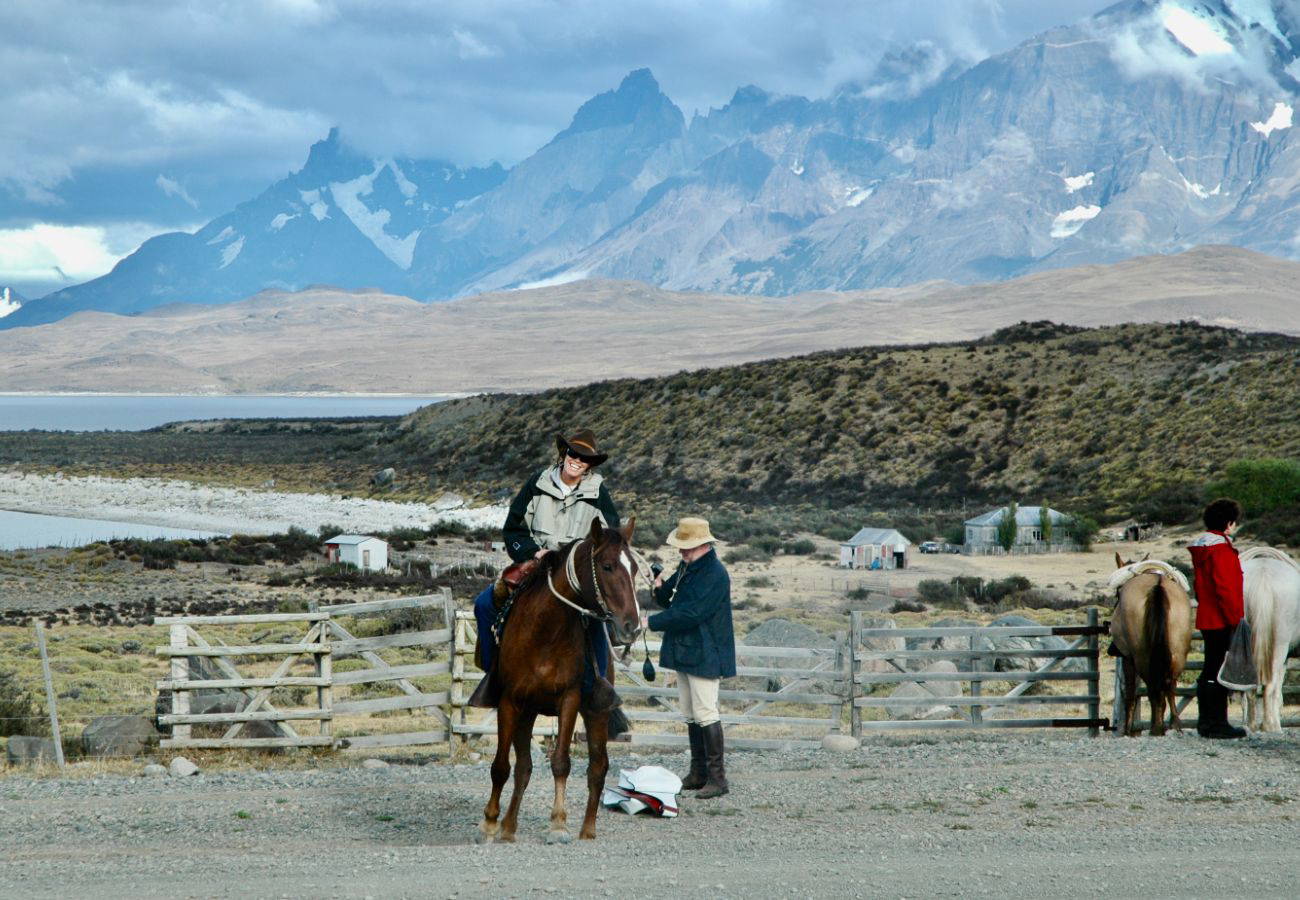
Hidden beyond the well-marked trails of Patagonia National Park lies a lesser-known sector accessible primarily on horseback. This quiet zone, reached via local guides from Cochrane or nearby estancias, winds through pampas, glacial valleys, and lenga forests rarely touched by tourists.
Rides vary from half-day loops to multi-day treks that include riverside campsites and rustic mountain huts. Unlike the more trafficked Jeinimeni and Chacabuco sectors, this region emphasizes silence, wildlife, and untracked landscapes. Guanacos, foxes, and Andean deer are more likely to appear than other hikers.
Saddles used are traditional Chilean styles—comfortable for long rides. Most outfitters provide gear and meals, with some treks including packhorses for added ease. The trail passes turquoise lakes, meadows bursting with wildflowers in summer, and hidden glacial outflows with no human infrastructure in sight.
Riders should be moderately fit and ready for variable weather. It’s best to layer for both sun and mountain winds. For those seeking a raw, unplugged immersion into one of South America’s premier conservation success stories, this route offers a rare path into Patagonia’s unedited wild.
Sunsets from camp are often streaked with magenta and orange, with only the sound of hooves settling dust into the quiet grass.
DIY Drone Ridge Above Puerto Rio Tranquilo Marble Route

Above the marble caves of Puerto Río Tranquilo, a little-known ridge provides one of the most cinematic drone launch spots on the Carretera Austral. This unmarked ascent begins off a gravel pullout just before the lakeside town and leads to an exposed outcrop overlooking Lago General Carrera’s surreal blue hues and the winding boat paths below.
The hike to the ridge takes about 25–30 minutes, climbing through loose scree and scattered shrubs. The view from the top reveals more than just the marble caves—it unveils their relationship with the broader lake system, nearby peaks, and the tiny dots of kayakers drifting along milky water.
Wind can be an issue, so early mornings offer the safest flying conditions. Bring a spare battery—signal interference is rare, but the scenic pull often results in extended flights.
For those not into drones, the ridge remains a brilliant panoramic lookout and an ideal place to escape the tourist bustle below. Few know this perch exists, and even fewer take the time to reach it. With no railings or signage, it’s completely wild—and all the better for it. Whether launching a drone or soaking in the silence, this is a vantage Patagonia rarely shares.