
Winding through Chile’s remote southern frontier, this legendary route unveils a side of Patagonia few travelers ever witness. From glacial fjords and turquoise rivers to untouched forests and jagged Andean peaks, every turn offers nature in its rawest, most breathtaking form. Unlike over-trodden travel paths, this journey rewards those who crave authenticity, solitude, and staggering beauty. Whether navigating by campervan or bike, the route challenges and inspires in equal measure. For adventurers seeking wild landscapes, cultural connection, and real off-the-grid freedom, this guide reveals how to make the most of every rugged mile along one of the world’s most scenic highways.
Puerto Montt Launch & Osorno Mountain View

Cruising out of Puerto Montt begins the journey into Patagonia’s dramatic south, where the landscape quickly shifts from bustling port life to postcard-worthy horizons. On clear days, snowcapped Osorno Volcano rises behind the shimmering waters of Lake Llanquihue, offering one of the region’s most iconic visuals. This area marks the start of the Carretera Austral, a gateway to remoteness filled with vibrant cultural flavor and geological contrast. Markets brim with local seafood, while German-inspired architecture adds a unique European imprint to this Chilean hub. For travelers, this first leg is ideal for loading up on essentials, adjusting to rural pace, and absorbing the blend of tradition and nature. Nearby Petrohué Falls and Vicente Pérez Rosales National Park present easy day trips before heading south into more rugged territory. Those eager to photograph Osorno at sunrise should base themselves near Ensenada for the clearest view. Puerto Montt’s accessibility makes it a logical and strategic start point, offering travelers the last grasp of urban comfort before entering Patagonia’s wild core. It’s also the beginning of the slow, scenic unraveling of landscapes that only grow more surreal with each passing kilometer. From here, the Carretera Austral begins to reveal its raw beauty in full force.
Chaitén & Pumalín Rainforest Waterfalls
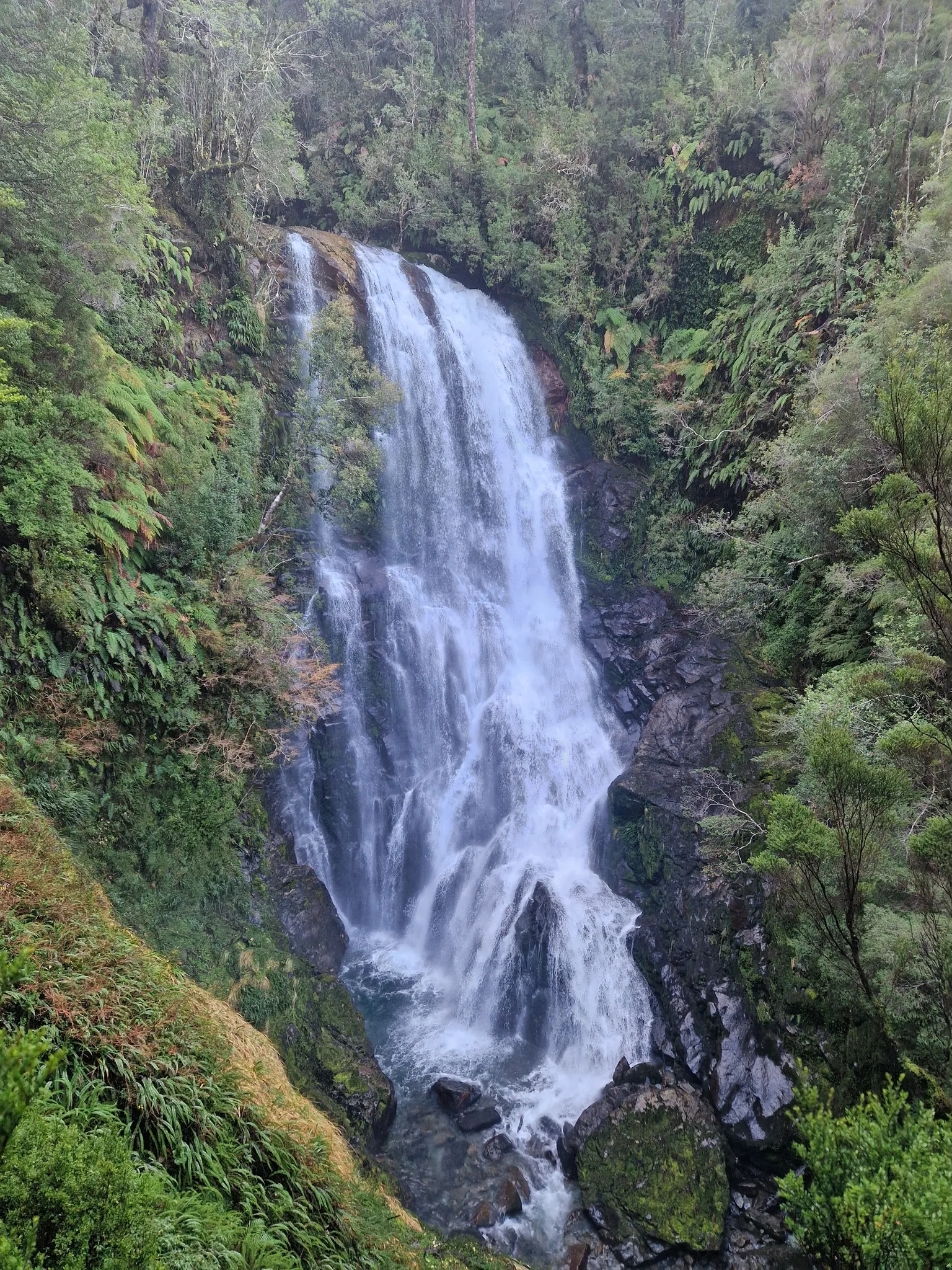
Lush, volcanic landscapes surround the remote settlement of Chaitén, now reborn after its dramatic 2008 eruption. The nearby Pumalín Douglas Tompkins National Park feels like a Jurassic world, dense with ancient alerce trees and thick moss-covered ground. For travelers venturing south along the Carretera Austral, this region is a haven of misty trails and cascading waterfalls tucked deep in Chile’s temperate rainforest. Day hikes like the Cascadas Trail lead to multiple falls tumbling through untouched wilderness, with opportunities to spot endemic frogs and rare birds along the way. Chaitén itself serves as a convenient overnight spot, offering modest accommodations and supplies before continuing deeper into the wild. The volcano’s legacy is still visible—scorched forests and riverbeds remind visitors of nature’s power and resilience. Travelers heading to Pumalín should prepare for variable weather, as sudden showers are common and trails can get slippery. But the payoff is enormous—this is one of the few places where you can stand beneath a 100-foot waterfall surrounded by prehistoric trees. It’s a region that slows you down and draws you in, reinforcing why Patagonia’s landscapes remain some of the most treasured and least-touched on Earth.
Queulat Hanging Glacier Drive‑By Vista
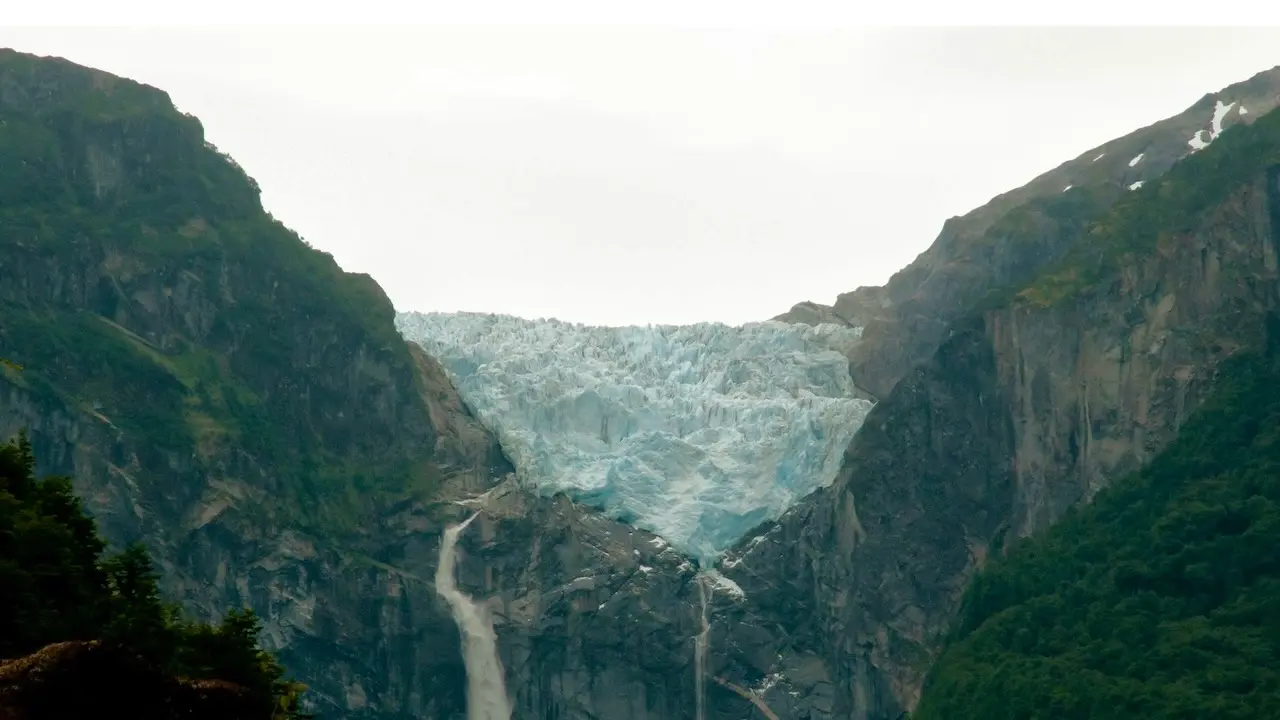
Wind through fjords and forested cliffs, and Queulat National Park suddenly delivers one of Patagonia’s most surreal sights—the Ventisquero Colgante, or Hanging Glacier. It appears suspended midair, with icy tongues spilling over a mountainside into a roaring waterfall hundreds of feet below. The Carretera Austral hugs the river’s edge here, making this natural marvel visible even from the road—no strenuous hike required. Pull-off viewpoints allow for lingering glances and dramatic photos, but the short walk to the official mirador provides a better perspective. Towering lenga trees and moss-draped foliage frame the glacier in cinematic scale, especially on cloudy days when mist curls around the ice. This section of the journey feels like a visual reward for every pothole and gravel switchback endured. Park rangers maintain the trails and signage well, offering insight into the park’s glacial history and fragile ecosystems. Wildlife lovers might also glimpse condors circling high above or foxes darting into the underbrush. This stop is brief but unforgettable—a powerful visual reminder of the forces shaping Patagonia’s geography. Whether for a roadside pause or longer exploration, Queulat’s glacier moment adds dramatic punctuation to any Carretera Austral itinerary.
Puyuhuapi Fjord Village & Hot Springs Soak

Tucked between rainforest slopes and the Puyuhuapi fjord, this charming village blends German heritage with remote tranquility. Wooden houses line the water’s edge, offering a nostalgic atmosphere of old-world Patagonia. Hot springs are the main draw here, with Termas de Puyuhuapi providing a rare luxury amid the region’s ruggedness. Soaking in geothermal pools while surrounded by mountains and sea is an experience that defines the Carretera Austral’s slower, more reflective pace. Lodges and guesthouses offer quiet stays with hearty local fare, often featuring fresh seafood and garden-grown produce. The fjord itself invites kayaking or boat tours, revealing waterfalls that tumble from dense forest directly into the sea. Puyuhuapi is also a good base for reaching Queulat National Park’s trails if you’re craving more glacier views. While cell signal fades and amenities are simple, the peaceful rhythm of the village encourages disconnection. Travelers continuing south often find this stop rejuvenating—both physically from the hot springs and mentally from the quiet landscape. The blend of natural beauty and cultural texture makes Puyuhuapi a standout rest point, where the road feels less like transit and more like a journey through living heritage and elemental calm.
Coyhaique Basecamp for Local Food & Trekking

As the largest town along the Carretera Austral, Coyhaique serves as a critical basecamp for resupply, rest, and adventure planning. Backdropped by jagged peaks and fast-flowing rivers, this city balances practicality with scenic appeal. Markets brim with regional produce, smoked meats, artisanal cheeses, and craft brews—giving travelers a taste of Patagonia beyond its landscapes. Outdoor outfitters and tour companies offer everything from fly-fishing excursions to glacier treks, while cozy cafés and hostels cater to road-weary explorers. Coyhaique’s layout is compact but bustling, making it easy to stock up on fuel, gear, and local intel before venturing further south. The nearby Simpson River Valley and Cerro Cinchao trails provide excellent short hikes for those wanting to stretch their legs without straying far. Night skies often blaze with stars due to the low light pollution, and winter months occasionally deliver snow-draped vistas. Despite its size, Coyhaique retains a mountain-town vibe where conversations revolve around road conditions, condor sightings, and weather fronts. Whether staying for a few nights or just passing through, this town anchors the route with both convenience and charm. It’s a midpoint worth pausing at—where modern comforts meet the wild pull of Patagonia’s unfolding trail.
Cerro Castillo Laguna Mirror Hike
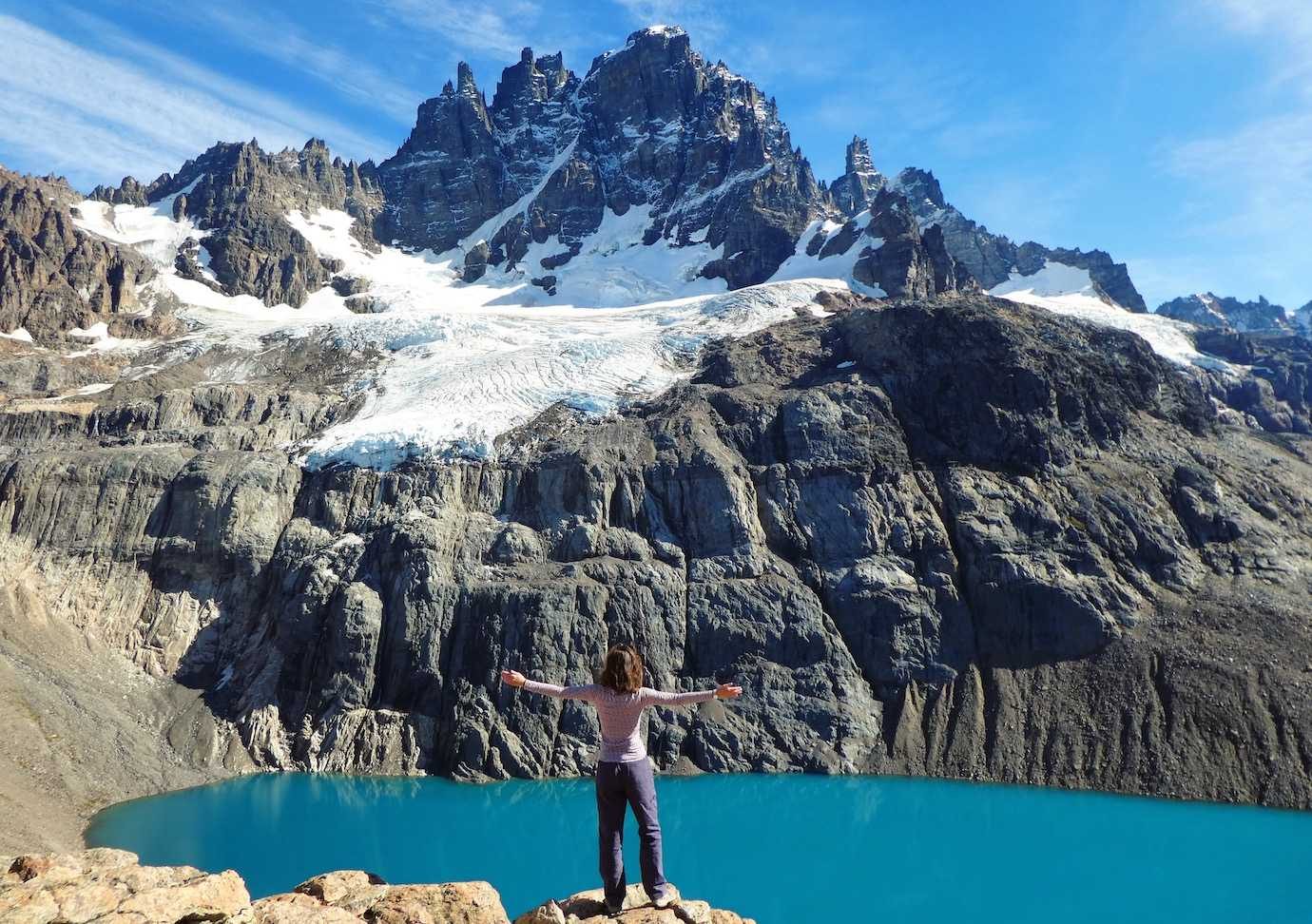
Shimmering turquoise waters lie cradled beneath jagged spires at the base of Cerro Castillo, a lesser-known but equally awe-inspiring alternative to Torres del Paine. The hike to the glacier-fed lagoon is steep and demanding, yet the reward is nothing short of cinematic. Jagged black-and-white peaks rise dramatically above a surreal blue lake, often still enough to mirror the entire mountain crown. This trail is a favorite among experienced trekkers seeking solitude and raw alpine drama. The route passes lenga forests, wildflower meadows, and even fossil-strewn rockbeds, revealing layers of geology with every switchback. Most travelers begin from Villa Cerro Castillo, a quiet settlement offering modest lodges and local insight into the park’s history. Unlike more crowded trails, this hike remains refreshingly quiet—even during peak season. Conditions vary, so weatherproof layers and good boots are essential, especially near the wind-swept summit ridge. Guided options are available, though well-marked paths allow confident solo hikers to tackle it independently. The lagoon’s glacial reflections make this a prized photo stop, often bookmarked as the most memorable hike along the entire Carretera Austral. It’s a landscape of extremes—where silence, snow, and stone converge in unforgettable harmony.
Marble Caves Boat Reflection Shoot

Rippled rock tunnels gleam with soft hues of blue, white, and gray as boats glide beneath the swirling formations of the Marble Caves. Located along General Carrera Lake near Puerto Río Tranquilo, these naturally sculpted cathedrals offer one of Patagonia’s most surreal visual experiences. Formed over thousands of years by wave erosion, the caves are accessible only by water—either via guided motorboat or kayak for the more adventurous. Mornings provide the best light, as sunbeams penetrate the glacial lake and reflect upward into the caves, creating a painterly glow that seems to pulse with color. Photographers flock here for the near-abstract reflections dancing across the marble surfaces, particularly in calm weather when the lake becomes a glassy mirror. Timing matters: water levels and cloud cover can dramatically affect visibility and clarity. Nearby operators offer short tours, often bundled with visits to other scenic spots around the lake. While the destination feels remote, it’s surprisingly accessible and remains one of the most Instagrammed spots in the Aysén region. These caves showcase nature’s quiet artistry—smooth, echoing chambers carved by water and time, tucked away on Patagonia’s largest lake and accessible only to those willing to float a little closer.
General Carrera Lake Shore & Fossil Scenery

Vast and crystalline, General Carrera Lake is more than just a backdrop—it’s a shifting canvas of color and geology that defines the soul of northern Patagonia. Chile’s largest lake, shared with Argentina (where it’s called Lake Buenos Aires), spans dramatic shores dotted with wind-carved cliffs, turquoise bays, and secluded pebble beaches. Roadside pullouts along the Carretera Austral offer breathtaking vistas at every turn, and some segments run just meters above the lapping shoreline. The surrounding terrain teems with prehistoric surprises—fossil beds, petrified trees, and mineral-rich rock layers tell a deeper story of Patagonia’s ancient past. For geology enthusiasts and curious wanderers alike, this is a treasure trove of natural relics set in one of the world’s most pristine environments. Local museums and community-run tours near Puerto Guadal and Chile Chico provide context and access to fossil-rich zones. Sunsets over the lake’s rippling surface are particularly magical, casting golden light across distant snowcaps. The lake also offers fishing, paddling, and stargazing opportunities in one of the continent’s clearest skies. Whether traveling for science, solitude, or scenic immersion, this segment of the Carretera Austral reveals a tranquil but profound intersection of history, water, and stone.
Patagonia National Park Wildlife Solitude Stop

Remote and wild, the stretch through Patagonia National Park offers something few travelers expect—true, uninterrupted stillness. Rewilded through years of conservation work spearheaded by Kris and Doug Tompkins, this sprawling parkland now supports a rebounding population of guanacos, pumas, flamingos, and even endangered huemul deer. Travelers often report long stretches of road without passing another vehicle, allowing a deeper connection to the sweeping steppe and jagged peaks that frame the route. The park is a sanctuary not just for wildlife, but for those seeking Patagonia’s quieter side. Scenic drives wind through broad valleys where herds of guanacos graze against wind-brushed grasslands, often set against snow-draped ridgelines. For hikers, trails near the Chacabuco Valley reveal panoramic viewpoints, crystal-clear rivers, and interpretive signs detailing ongoing conservation efforts. Facilities remain minimal, so fueling up and packing essentials is crucial before entering this remote zone. The solitude here is unmatched—no crowds, no cell service, just the raw pulse of nature. This section of the Carretera Austral serves as both a conservation triumph and a spiritual pause, reminding travelers that Patagonia’s magic lies not only in what it shows, but in the space it gives you to simply exist in awe.
Caleta Tortel Boardwalk Village Exploration

Winding walkways of weathered cypress wood form the arteries of Caleta Tortel, a coastal village unlike any other along the Carretera Austral. Here, there are no streets—only a network of wooden boardwalks that meander over rock bluffs and connect houses, viewpoints, and tiny boat docks. Nestled between fjords and river deltas, this isolated settlement offers a window into Patagonia’s resourceful spirit and its relationship with water. The village sits at the mouth of the Baker River, where glacier-fed flows meet the sea in shifting shades of jade and blue. The absence of cars creates a soothing silence broken only by waves and footfalls on planks. Visitors can explore the entire town on foot, passing handcrafted homes and artisan workshops while absorbing panoramic views at every bend. Local guides offer short excursions to nearby islets, waterfalls, and even the sparsely visited Río Pascua delta. Despite its isolation, Tortel has modest guesthouses and eateries serving fresh catch and local produce. Expect weather that changes by the hour—rain, fog, and sunshine can all arrive within one afternoon. It’s a destination best approached slowly, rewarding travelers with cultural depth, design ingenuity, and the unique rhythm of life lived entirely on wooden rails.
Villa O’Higgins Remote Road Finale Access

Where the road quite literally ends, Villa O’Higgins delivers a true sense of frontier. This secluded outpost marks the southern terminus of the Carretera Austral, accessible only by a series of ferries and a final gravel ribbon of winding road. Few travelers make it this far, which adds to its off-the-map appeal. The surrounding landscape is classic Southern Patagonia—sharp peaks, sweeping glacial valleys, and weather that moves fast and fierce. From here, boats cross O’Higgins Lake toward the remote border with Argentina, though services are limited and weather-dependent. Hikers may also venture toward the legendary O’Higgins Glacier via guided multi-day treks through raw wilderness. Within the village itself, locals are few but welcoming, and amenities cater primarily to determined backpackers and long-haul adventurers. For many, reaching Villa O’Higgins feels like an accomplishment—a culmination of hundreds of kilometers through the continent’s wildest terrain. This isn’t just the end of the road—it’s an invitation to pause, reflect, and marvel at the effort it took to get here. In a world of digital shortcuts and fast travel, Villa O’Higgins represents something rare: a journey measured not in hours, but in determination and awe.
Four Carretera Austral Ferry Crossing Prep Tips
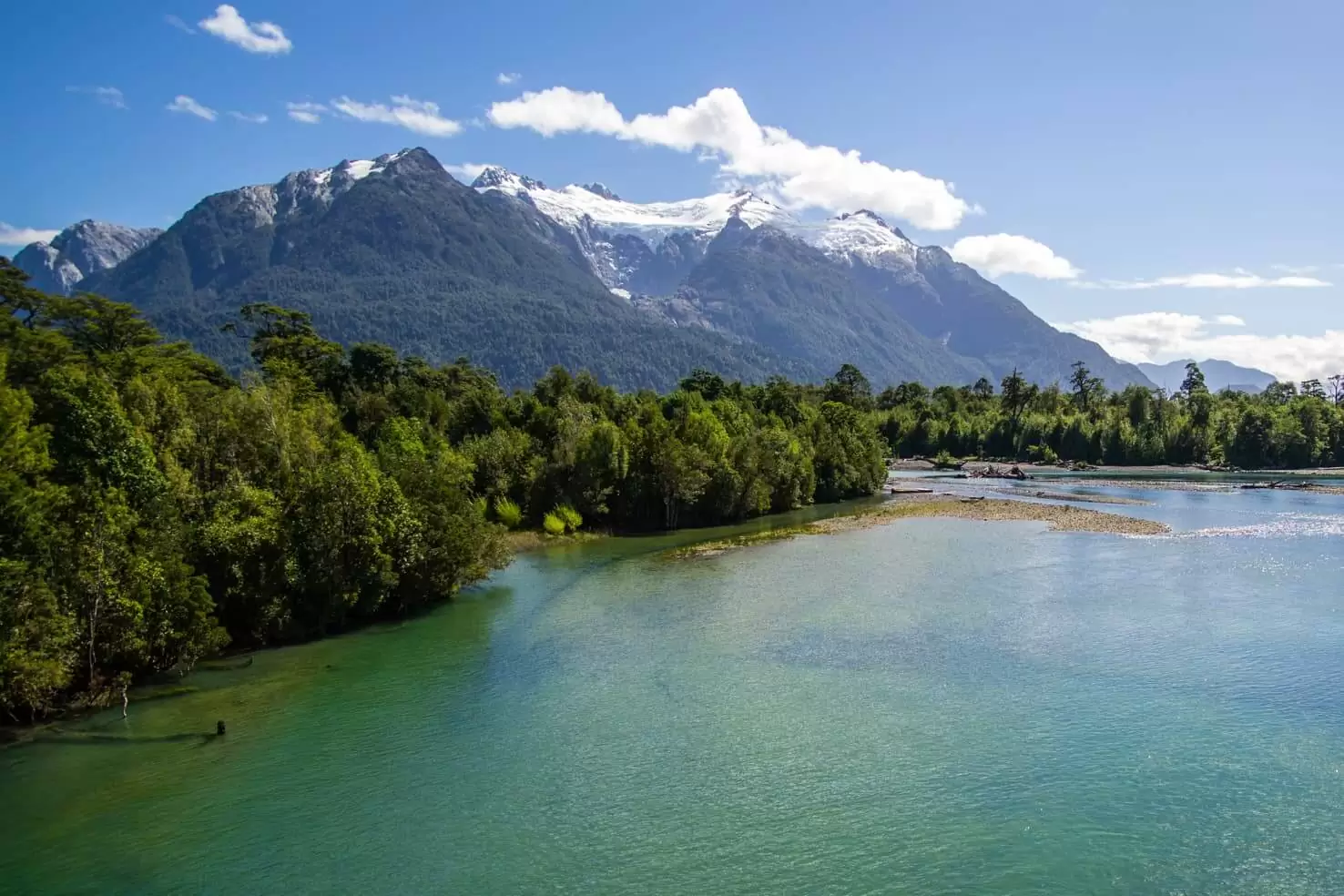
Several scenic ferry crossings are essential to completing the Carretera Austral, each offering unique views and logistical challenges. Planning ahead makes these transitions smoother—especially when timing, vehicle slots, and unpredictable weather come into play. First, reserve in advance, particularly for the longest crossing between Hornopirén and Caleta Gonzalo. Spaces for vehicles are limited, and cancellations can occur due to rough seas or maintenance. Second, arrive early at the terminal. Even with a reservation, being on-site well ahead of departure increases your chance of boarding, especially on routes that also accommodate freight. Third, carry cash, as smaller terminals or snack vendors en route may not accept cards. Fourth, pack essentials for the wait—snacks, extra layers, and motion sickness aids are handy if delays stretch or if conditions get rough on the water. Many ferries offer open decks for panoramic views, including glimpses of fjords, waterfalls, and dolphins if you’re lucky. Crossing the fjords isn’t just a transit necessity—it’s part of the route’s mystique, bridging road segments that otherwise couldn’t exist. Each ferry adds a maritime touch to the overland adventure, reinforcing how raw and untamed Patagonia remains—even when the road floats across water instead of winding through forest or steppe.