
Miami’s vibrant mix of ocean views, neon-lit streets, and striking cultural landmarks makes it one of the most photogenic destinations in the U.S. Whether you’re drawn to pastel Art Deco facades in South Beach, colorful murals at Wynwood Walls, or the tropical elegance of Vizcaya Museum and Gardens, the city offers endless backdrops worth sharing. Travelers, content creators, and photography lovers alike will find countless Instagram-worthy angles waiting around every corner. This guide to the best photo spots in Miami highlights must-visit locations that showcase the city’s style, energy, and character—ensuring your shots feel unforgettable and truly authentic.
South Beach Lifeguard Towers

Brightly painted lifeguard towers line the sands of South Beach, turning functional shelters into iconic art pieces. Each tower showcases a unique design, from retro geometric patterns to bold nautical stripes, making them some of the most photographed structures in Miami. Built after Hurricane Andrew in the early 1990s, these towers not only serve as essential safety posts but also reflect the city’s vibrant spirit. Positioned along Ocean Drive, they offer striking backdrops where turquoise waves meet pastel-painted woodwork. Early morning light gives soft hues for photography, while golden sunsets frame silhouettes against the Atlantic. Visitors often stop at multiple towers, noting how each embodies different elements of Miami culture—tropical palettes, maritime influences, and even architectural nods to the Art Deco district nearby. Walking the shoreline provides endless opportunities for close-up detail shots or wide-angle vistas featuring the ocean. The lifeguard towers have become unofficial landmarks, instantly recognizable on postcards and social feeds. Beyond aesthetics, they remind visitors of Miami’s resilience, blending safety and creativity. For anyone seeking both a quintessential view and artistic subject matter, these colorful towers deliver a perfect combination of style and setting right on the sand.
Wynwood Walls & Murals

Street art transforms Wynwood into an outdoor museum, where massive murals cover entire blocks with vibrant creativity. Established in 2009 by Tony Goldman, Wynwood Walls has drawn artists from around the world to reimagine industrial warehouses as large-scale canvases. Bold graffiti lettering, hyper-realistic portraits, and abstract splashes of color dominate the landscape, offering endless textures and tones for photography. Walking the neighborhood, you’ll encounter works from internationally renowned creators such as Shepard Fairey, Futura, and Os Gemeos. Each corner reveals fresh perspectives, blending local culture with global influence. Beyond the central Wynwood Walls installation, surrounding streets like NW 2nd Avenue are lined with ever-changing art, ensuring no two visits are the same. Cafés, breweries, and galleries enhance the district, adding lifestyle scenes to urban backdrops. Daylight highlights colors vividly, while twilight streetlights create a moody aesthetic for night photography. For content creators and art enthusiasts, Wynwood delivers more than murals; it represents Miami’s identity as a city where art thrives in public spaces. Whether photographing a full wall of intricate detail or candid moments of people engaging with the art, Wynwood remains one of the most dynamic and culturally rich photo locations in Miami.
Vizcaya Museum & Gardens

Italian Renaissance grandeur greets visitors at Vizcaya Museum & Gardens, a historic estate built by industrialist James Deering in 1916. Nestled on Biscayne Bay, the mansion exudes European elegance with intricate stucco facades, baroque interiors, and antique furnishings. Surrounding the villa, expansive gardens showcase manicured hedges, sculpted fountains, and reflecting pools reminiscent of Tuscany. The setting feels worlds apart from Miami’s urban buzz, providing an opulent backdrop for photography. Coastal breezes weave through the open-air courtyard, while ornate balconies frame views of turquoise waters. Seasonal orchids and tropical flora mix seamlessly with imported classical statues, creating an atmosphere that feels both exotic and timeless. Popular with wedding shoots and editorial spreads, Vizcaya offers angles that capture grandeur and intimacy alike. Morning hours bring soft lighting ideal for highlighting stone textures, while late afternoons glow across the bay-facing terraces. Beyond its beauty, the estate carries historic significance, symbolizing Miami’s early 20th-century growth and cultural ambition. Each corner—whether a sun-dappled walkway or ornate indoor chamber—presents opportunities for layered storytelling in visuals. For travelers seeking photo spots that merge Old World charm with subtropical landscapes, Vizcaya Museum & Gardens stands unmatched.
Buildings in the Art Deco Historic District

Pastel-hued facades and geometric ornamentation dominate the Art Deco Historic District, making it Miami Beach’s architectural treasure. More than 800 preserved buildings, primarily constructed between the 1920s and 1940s, define this neighborhood with their distinctive curves, porthole windows, and terrazzo floors. Walking along Collins Avenue and Washington Avenue reveals hotels and storefronts that glow with retro charm. These structures are carefully maintained, reflecting the city’s dedication to heritage while catering to modern visitors. Stripes, chevrons, and neon trim highlight the exteriors, perfect for vibrant daytime shots or atmospheric nighttime photography. The architecture draws heavy inspiration from nautical themes and tropical motifs, blending cultural history with visual playfulness. Tours led by the Miami Design Preservation League often highlight historical context, explaining how this district became an international symbol of 20th-century design. Street-level cafes and vintage signage add layers to the experience, giving photographers not just architectural frames but lively human interactions as well. Whether capturing sweeping streetscapes or the detail of a sculpted relief, the Art Deco Historic District offers a window into Miami’s glamorous past. For enthusiasts of architecture and history, it remains an essential stop and an endlessly rewarding subject.
Ocean Drive Neon Signs & Pink Facades

Nightfall along Ocean Drive transforms the street into a glowing spectacle, where neon signage and pastel exteriors create a cinematic scene. Classic hotels like the Colony and Clevelander light up in hues of electric blue, pink, and green, reflecting off vintage convertibles and palm-lined sidewalks. These glowing facades epitomize Miami nightlife, blending Art Deco heritage with a modern energy that never fades. During the day, the pastel pinks and turquoise accents give a playful beach-town charm, contrasting dramatically with their vibrant nighttime glow. Cafes spill onto sidewalks, music drifts from open doors, and the iconic neon invites endless photography opportunities. Each sign carries its own style—script fonts, geometric lettering, or marquee-inspired bulbs—capturing a sense of nostalgia while remaining undeniably current. The interplay between glowing signage and tropical twilight provides one of the most recognizable visual experiences in the city. Visitors often pause to photograph both wide shots of the strip and close-ups of the signs, ensuring details aren’t missed. Ocean Drive remains a symbol of Miami’s cultural fusion, where architecture, nightlife, and visual storytelling collide in unforgettable fashion. For photographers, it offers both timeless charm and vibrant immediacy.
Matheson Hammock Park & Skyline Vista
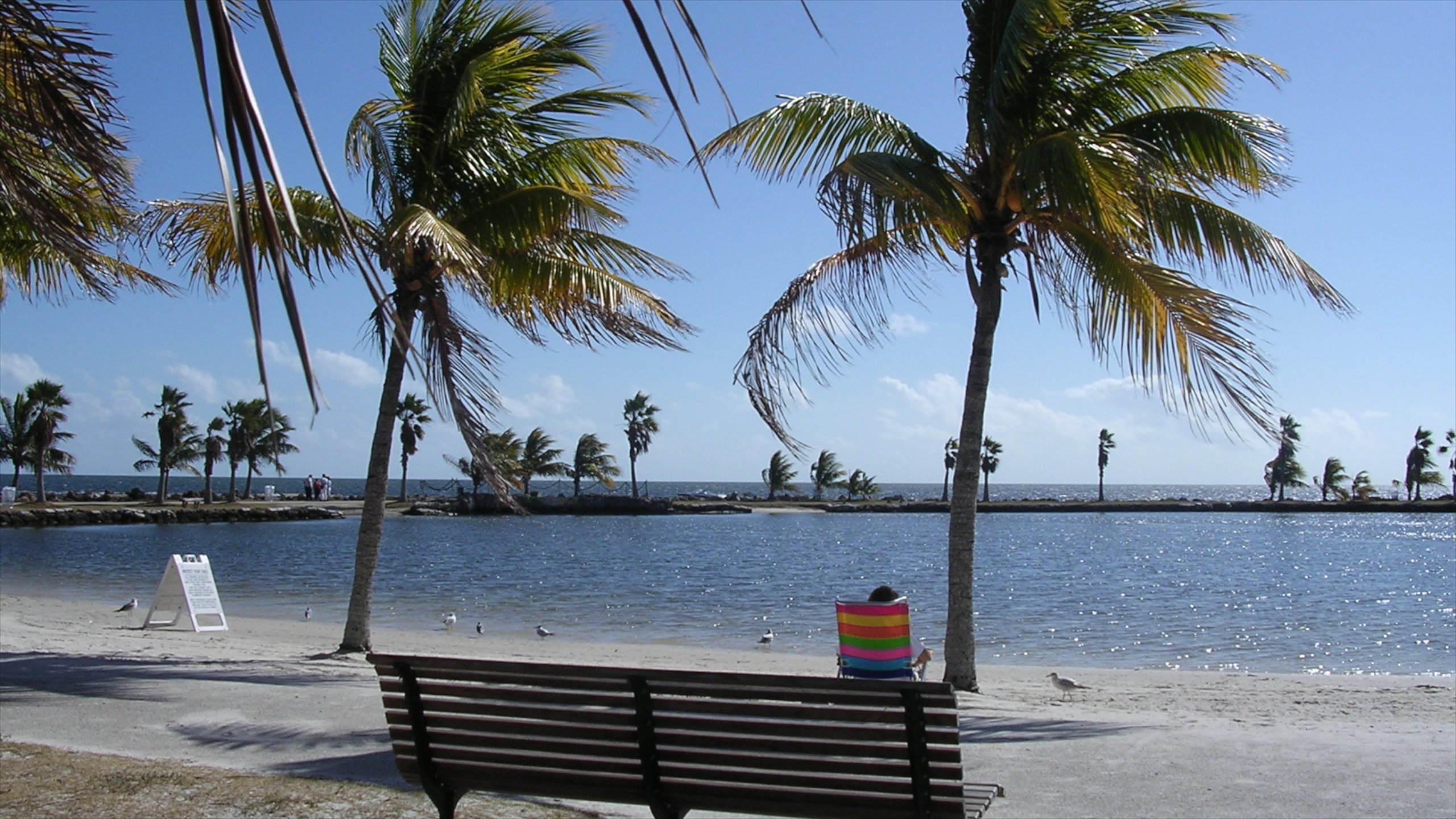
Calm waters and mangrove landscapes frame breathtaking views of downtown Miami at Matheson Hammock Park. Located just south of Coral Gables, this scenic destination offers a man-made atoll pool that fills naturally with tidal waters, creating a serene lagoon perfect for reflection shots. Photographers find the park especially rewarding during golden hour, when the city skyline glows in the distance beyond Biscayne Bay. Kayakers, paddleboarders, and families enjoying picnics add a sense of local lifestyle to the natural setting. The surrounding trails lead through hardwood hammocks and shaded groves, revealing glimpses of herons and egrets that enrich the coastal backdrop. For panoramic images, the marina viewpoint is unmatched, offering sweeping perspectives of sailboats framed against the urban horizon. Evenings often deliver dramatic sunsets, where fiery skies reflect across tranquil waters. Beyond visuals, the park represents a harmonious blend of Miami’s ecological heritage and urban progress, making it a favorite for both nature lovers and city explorers. Whether highlighting skyline silhouettes or intimate scenes of tidal pools, Matheson Hammock Park provides versatile compositions that reflect Miami’s dual identity—lush natural landscapes paired with modern cityscapes.
The Barnacle Historic State Park
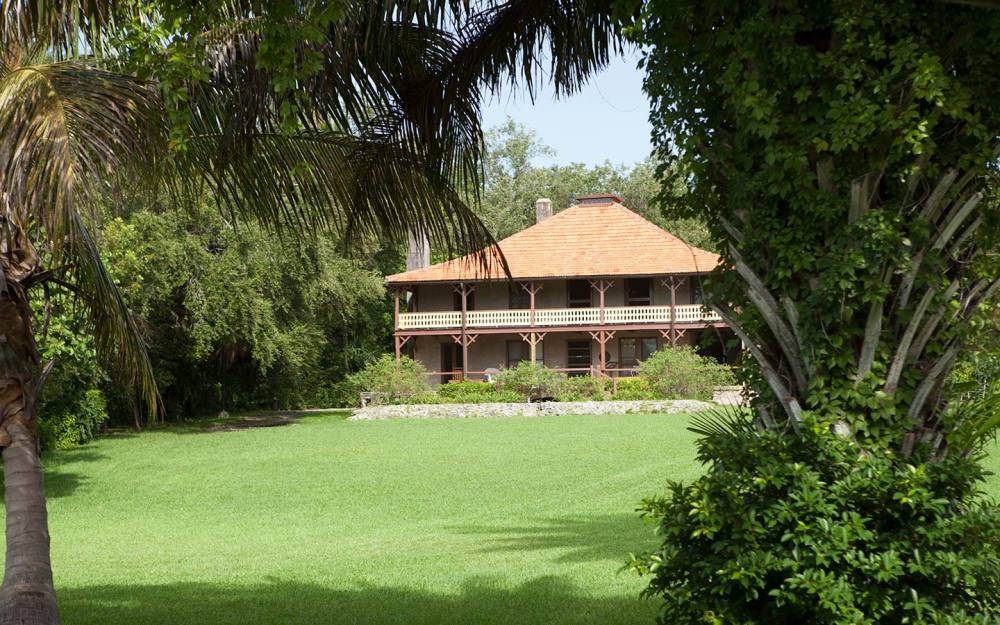
Hidden within Coconut Grove, The Barnacle Historic State Park preserves the charm of Miami’s pioneer days. Built in 1891 by Ralph Middleton Munroe, a sailing enthusiast and community leader, the Barnacle is the oldest house in Miami still standing on its original site. The wooden structure faces Biscayne Bay, surrounded by dense hardwood hammock forest that creates a peaceful, shaded environment. Visitors walk down a winding trail to reach the house, passing native trees and listening to birdsong that transports them to a bygone era. The wide front porch and bay views reflect Munroe’s nautical lifestyle, offering photo opportunities that combine rustic architecture with coastal scenery. The park often hosts outdoor concerts, reenactments, and festivals, adding cultural vibrancy to its historic foundation. For photography, the balance of preserved architecture, tropical greenery, and bay vistas ensures timeless compositions. Morning light highlights the weathered textures of the home, while late afternoons cast golden tones across the waterfront lawn. The Barnacle is more than a photo destination—it’s a glimpse into Miami’s roots, where history, nature, and community converge in one preserved space.
Little Havana (Calle Ocho + Domino Park)
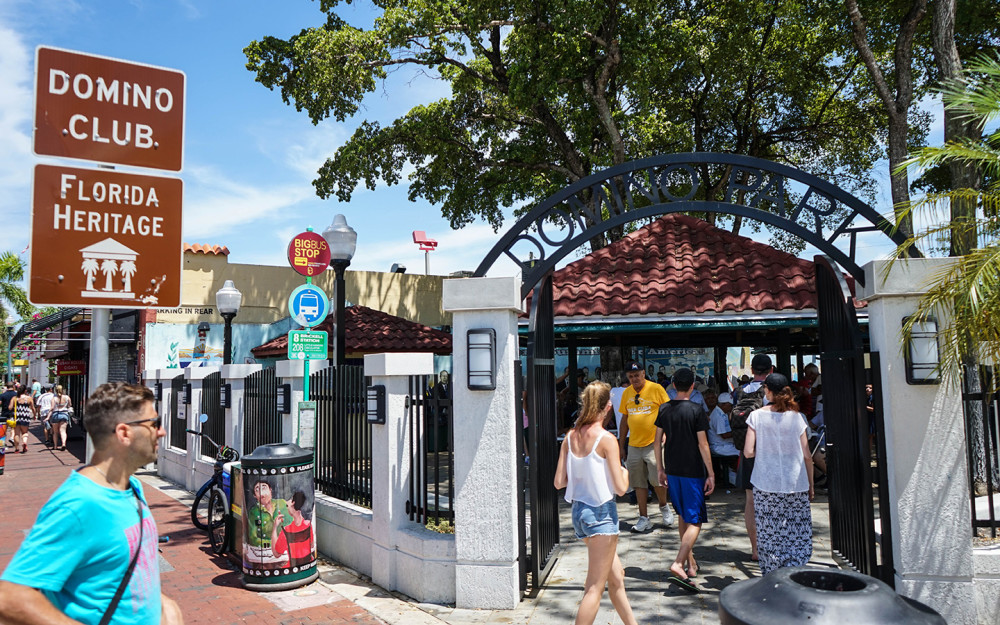
Energy surges along Calle Ocho, the heart of Little Havana, where Cuban culture thrives through music, food, and community. Colorful storefronts, murals, and cigar shops create a vibrant streetscape filled with sensory details. At Domino Park, locals gather for animated games, their conversations and laughter spilling into the atmosphere. Roosters painted on walls, salsa rhythms from nearby cafes, and Cuban flags draped across shops enrich the cultural tapestry. For photographers, every corner offers dynamic compositions, from close-ups of cigars being hand-rolled to wide shots of street performers engaging with crowds. The Walk of Fame honors Latin legends, while art galleries and theaters keep cultural traditions alive. Food plays an essential role, with pastelitos, cafecitos, and Cuban sandwiches adding flavor to the visual and sensory story. Daytime photos highlight bold murals and sunny streets, while evenings glow with string lights above patios. Beyond aesthetics, Little Havana symbolizes resilience and identity, a cultural hub that speaks of migration and community roots. For travelers, photographing this neighborhood means documenting the soul of Miami, where history, culture, and daily life merge seamlessly into an unforgettable visual story.
Lummus Park / Boardwalk along Ocean Drive

Palm-lined paths and sandy stretches define Lummus Park, a beachside haven along Ocean Drive. Families, joggers, and cyclists fill the scene, creating lively moments against a backdrop of turquoise waters and gleaming lifeguard towers. The boardwalk extends for miles, offering unobstructed ocean views perfect for wide-angle photographs. Volleyball courts and fitness zones highlight Miami’s active lifestyle, while shaded lawns invite casual picnics and relaxation. For sunrise photography, the horizon bursts with color, bathing palm silhouettes in warm tones. Midday light showcases the vivid blues of sea and sky, ideal for crisp, clear captures. Beyond natural beauty, the park offers angles where Art Deco buildings peek over the palms, blending urban architecture with coastal scenery. Street vendors, rollerbladers, and musicians add vibrancy, giving depth to every frame. Nighttime brings a different mood, with the boardwalk illuminated by nearby neon spilling softly onto the sand. For travelers, this location offers the quintessential Miami experience—where recreation, scenery, and culture intersect along a single stretch of coast. Every season, Lummus Park remains a lively, photogenic destination that embodies Miami’s seaside charm.
Miami Design District (Fendi Colonnade, Fly’s Eye Dome)

Cutting-edge architecture meets high fashion in the Miami Design District, where shopping and art coexist in visually stunning spaces. The Fendi Colonnade draws attention with its bold sculptural pillars, each uniquely patterned, offering striking symmetry for photography. Nearby, Buckminster Fuller’s Fly’s Eye Dome creates futuristic geometry that contrasts sharply with surrounding luxury boutiques. Beyond these landmarks, the district’s plazas, walkways, and art installations make every corner an opportunity for visual storytelling. Bright murals, reflective glass surfaces, and innovative landscaping emphasize creativity, aligning perfectly with Miami’s reputation as a cultural hub. The district is not just about shopping—it’s about experiencing design in all forms, from architecture to culinary spaces. Cafés and restaurants spill into courtyards, framed by cutting-edge structures that invite lifestyle captures. Daytime images emphasize modern lines against blue skies, while evenings introduce glowing storefronts and sleek lighting. Seasonal art exhibits and fashion events continually refresh the district, ensuring dynamic content year-round. For anyone seeking contemporary Miami aesthetics, the Design District offers a polished, artistic backdrop that contrasts yet complements the city’s historic neighborhoods.
Museum Garage / Architectural Rooftops

Parking structures rarely double as attractions, but Museum Garage redefines expectations with its wildly eclectic façade. Designed by multiple architects, each section features a distinct visual style, from candy-colored patterns to futuristic metallic cutouts. The result is a collaborative masterpiece where every angle feels different, making it one of Miami’s most unique photo stops. Rooftop levels further enhance the experience, offering sweeping views of the Design District and glimpses of downtown’s skyline. Bright murals, sculptural installations, and creative lighting transform functional spaces into art-filled environments. Photographers will appreciate the mix of geometry and playfulness, ideal for both abstract close-ups and dramatic urban panoramas. The garage symbolizes Miami’s commitment to integrating art into everyday life, extending creativity beyond traditional galleries. Daylight brings out color contrasts, while evenings highlight architectural lighting against dusky skies. For travelers seeking unconventional photo opportunities, Museum Garage stands as proof that Miami’s artistic vision extends even to the most practical structures. It’s more than a parking space—it’s a curated destination showcasing architectural innovation, cultural collaboration, and surprising beauty hidden in plain sight.
Peacock Park & Bayfront in Coconut Grove
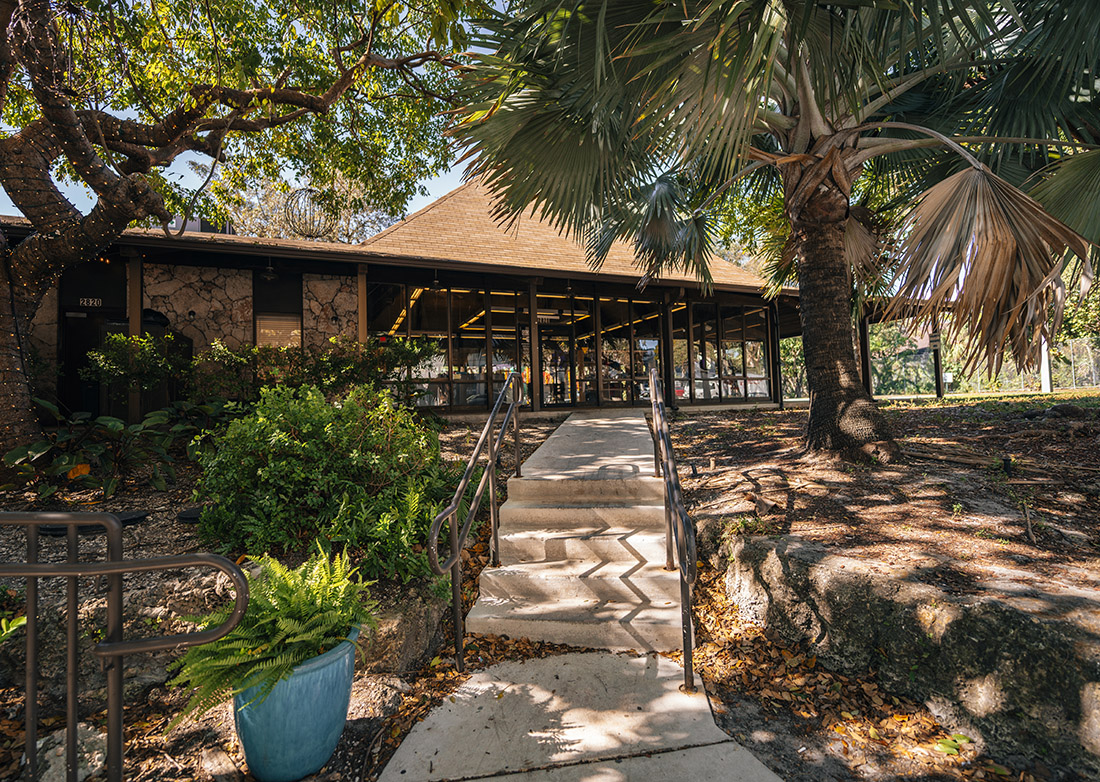
Local energy fills Peacock Park, a Coconut Grove landmark that blends open green space with waterfront charm. Overlooking Biscayne Bay, the park draws families, athletes, and casual visitors to its shaded lawns and sports courts. The view stretches across sailboats anchored nearby, offering tranquil backdrops framed by swaying palms. Photographers will find endless opportunities, from action shots of soccer games to serene landscapes of the waterfront. Adjacent walkways lead to marinas and dining spots, integrating leisure with scenic beauty. The bayfront particularly shines at sunset, when pastel skies reflect across calm waters dotted with boats. Historical significance enriches the site, as the park is named after Charles Peacock, one of Coconut Grove’s earliest settlers. Festivals, art shows, and live music events frequently take place here, infusing cultural vibrancy into its natural setting. Birdwatchers also enjoy sightings of ibises and pelicans, adding wildlife to the mix of subjects. For visitors exploring Miami beyond its beaches, Peacock Park delivers both activity and tranquility in one stop. With its open atmosphere, waterfront location, and cultural events, it remains a versatile and photogenic destination.