
Tiputa Pass Drift Dive & Shark Encounters
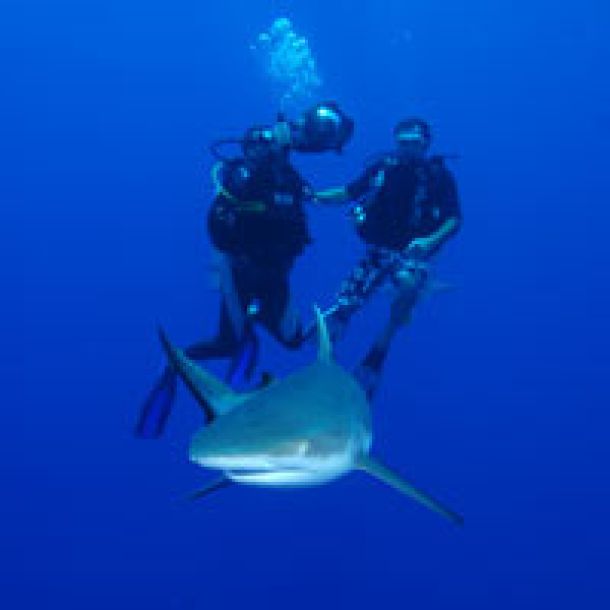
Currents funneling through Tiputa Pass set the stage for one of Rangiroa’s most thrilling underwater experiences. Divers drift effortlessly with the tide, carried into a corridor where reef sharks, dolphins, and barracuda patrol in schools. The spectacle peaks when gray reef and hammerhead sharks emerge from the deep blue, unbothered by human presence yet commanding respect. Clear visibility often extends over 30 meters, revealing coral shelves alive with smaller reef species. Dive operators coordinate entry with tidal windows, ensuring safe passage and maximum marine activity. Morning outgoing tides bring predators closer, while slack tides allow calmer observation. Advanced certification is preferred, though experienced guides cater to intermediate divers ready for the challenge. Underwater photographers value the mix of fast drifts and still moments when currents shift. Safety briefings emphasize buoyancy control and awareness of changing flows. Encounters here feel less like chance sightings and more like stepping into a daily rhythm of ocean predators. Few dive destinations rival this blend of adrenaline and marine diversity, making Tiputa Pass not only Rangiroa’s crown jewel but also a global bucket-list site for those who want to witness sharks in their natural, untamed environment.
Blue Lagoon Cocktails & Overwater Lounge Spots

Relaxation in Rangiroa takes on a different rhythm when the day winds down at the Blue Lagoon. Accessible via boat excursions, this shallow lagoon within the atoll feels like a natural infinity pool where turquoise waters stretch endlessly. After exploring the area’s sandbars, visitors often retreat to overwater lounges that serve tropical cocktails crafted with local fruits like pineapple, guava, and coconut. Drinks are paired with lagoon breezes and panoramic views of seabirds diving for fish. Some tours arrange floating platforms where guests can sip cocktails waist-deep in clear water, merging leisure with nature. Sunset here paints the lagoon in gold, offering a backdrop that rivals postcard scenes. Lounge decks built from local wood often double as dining areas, extending into the water for uninterrupted views. Evenings might include gentle Polynesian music or casual conversations with guides sharing island stories. While drinks cost more than inland bars, the setting delivers unmatched atmosphere. Responsible operators minimize environmental impact by avoiding single-use plastics and sourcing ingredients locally. For travelers seeking the balance between adventure and serenity, unwinding at these floating bars or overwater lounges defines Rangiroa’s laid-back, barefoot luxury.
Local Village Homestays in Avatoru or Tiputa

Cultural immersion on Rangiroa begins in the villages of Avatoru and Tiputa, where homestays offer more than just a bed. Families welcome visitors into their homes, providing a chance to share meals of poisson cru, taro, and breadfruit prepared in traditional ways. Guests often join fishing trips at dawn, learn coconut husking techniques, or participate in weaving workshops guided by elders. Accommodations are modest—typically private rooms with mosquito nets and fans—but the warmth of Polynesian hospitality outweighs any lack of luxury. Staying within walking distance of village churches or local markets allows travelers to witness everyday rhythms, from Sunday hymns to children playing near the lagoon. Evening conversations often unfold under star-filled skies, with hosts sharing oral histories of Rangiroa’s past. Costs are lower than resorts, making homestays a budget-friendly alternative while directly supporting local families. Visitors gain insight into the balance between traditional subsistence living and modern tourism pressures. Respect for village customs is expected, such as dressing modestly outside beach areas and acknowledging elders. For travelers seeking authenticity, homestays in Avatoru or Tiputa offer a genuine window into life on the world’s second-largest atoll.
Sunrise Lagoon Snorkels Before the Boats Arrive
Early risers are rewarded with Rangiroa’s lagoon at its quietest. Before excursion boats ripple the water, snorkelers can slip into calm shallows where light filters gently across coral gardens. The morning stillness reveals reef fish starting their day—parrotfish grazing, butterflyfish darting, and sometimes eagle rays gliding in pairs. The absence of crowds means turtles and reef sharks approach closer, undisturbed by noise. Shallow reefs near guesthouses in Avatoru or Tiputa allow easy access without arranging transport. Water clarity at sunrise often surpasses later hours, with fewer suspended particles stirred by waves. Local operators sometimes offer guided dawn snorkels, highlighting cleaning stations where wrasse service larger fish. For photographers, the golden angle of morning light enhances underwater colors, especially blues and yellows. Returning ashore, travelers often find locals beginning their daily routines—casting nets or preparing boats—adding cultural depth to the experience. Beyond wildlife, the tranquility of starting a day this way shapes the memory of Rangiroa itself. It’s not just about snorkeling; it’s about being present when the lagoon belongs to silence and sea life alone. Few activities combine such accessibility, serenity, and reward as these early-morning swims.
Turtle Nesting & Reef Conservation Tours

Conservation experiences on Rangiroa bring travelers closer to both fragile ecosystems and community initiatives. Turtle nesting tours, often organized in partnership with local NGOs, guide visitors to beaches where green and hawksbill turtles lay eggs under moonlight. Trained naturalists explain protocols: maintaining distance, minimizing light, and avoiding disturbances. During hatching season, guests may witness hatchlings’ race to the sea—a moving reminder of the need for protection. Complementing these encounters, reef conservation tours introduce participants to coral restoration projects. Some programs allow travelers to assist in planting coral fragments or monitoring reef health with snorkel gear. Education is central, with guides highlighting threats such as bleaching, overfishing, and plastic waste. Fees directly support conservation, making tourism part of the solution rather than the problem. Beyond structured tours, many lodgings promote reef-safe practices, from sunscreen awareness to sustainable fishing. Experiencing turtles in their natural cycle paired with hands-on reef work transforms a vacation into a meaningful exchange. These initiatives ensure Rangiroa’s marine heritage remains resilient, while giving travelers a role in safeguarding the lagoon that sustains life on the atoll.
Night-Sky Boat Rides: Bioluminescence & Stars

Evenings on Rangiroa reveal a spectacle both above and below the waterline. Boat rides timed after dusk drift into secluded lagoon corners where bioluminescent plankton ignite with every paddle stroke. The phenomenon feels magical—sparkling trails of light responding to the slightest movement. Above, skies untouched by urban glow unveil constellations and the Milky Way with clarity rare elsewhere. Local guides often blend astronomy with Polynesian navigation stories, explaining how ancestors used stars to cross vast ocean routes. Silence amplifies the sensory experience, broken only by gentle lapping waves. Some operators combine bioluminescence with night fishing demonstrations or traditional songs, weaving science with culture. Warm evenings make blankets unnecessary, though insect repellent is wise. Small groups ensure intimacy, avoiding noise that dims the glow. Cameras rarely capture the bioluminescence effectively, reinforcing the experience as something to be lived rather than recorded. For those seeking moments beyond daytime activities, these night-sky rides reveal Rangiroa’s dual wonders—celestial above, luminescent below—making the atoll unforgettable long after the ride ends.
Lagoon-Edge Dining with Sea Views

Meals in Rangiroa often unfold with the lagoon as the dining room backdrop. Restaurants and pensions set tables at the water’s edge, where trade winds cool evenings and reef fish dart in shallow tide pools below. Menus highlight freshly caught tuna, wahoo, and lagoon lobster, often prepared raw in lime and coconut milk or grilled over open flames. Seasonal fruit such as papaya and mango accompany plates, balancing flavors with tropical sweetness. Dining here isn’t about elaborate presentation; it’s about freshness and connection to place. Sunset dinners pair golden light with rhythmic waves, creating atmosphere no interior setting could replicate. Some establishments invite local musicians to perform Polynesian songs, adding authenticity to the meal. Guests often linger after eating, sipping French wine or Tahitian beer while stars appear overhead. Prices vary—resort restaurants charge premium rates, while family-run spots offer affordable feasts with equal charm. Responsible establishments avoid overfishing by rotating menu offerings and sourcing sustainably. For travelers, lagoon-edge dining combines cuisine, culture, and scenery, delivering sensory experiences that anchor memories of Rangiroa far beyond taste alone.
Kayak or SUP Routes Through Coral Gardens

Self-guided exploration of Rangiroa’s lagoon becomes especially rewarding when done by kayak or stand-up paddleboard. Paddlers glide silently above coral gardens where branching staghorn and colorful plate corals spread across the sandy floor. Shallow depths allow clear viewing of fish schools, often with butterflyfish or angelfish circling beneath. Routes near Avatoru and Tiputa offer sheltered waters, while more adventurous travelers can arrange guided trips toward remote sandbars. SUP boards provide elevated views into the lagoon, ideal for spotting rays or turtles resting below. With no engine noise, wildlife remains undisturbed, offering close yet responsible encounters. Timing excursions during calm mornings reduces wind and current challenges. Rental outfits supply gear at reasonable rates, with some including dry bags for cameras or snorkeling gear to extend the outing. Eco-conscious operators stress reef safety: never dragging paddles across corals and avoiding standing in fragile zones. This activity appeals to all levels, from beginners seeking relaxation to fitness enthusiasts craving exercise. Paddling through these coral gardens merges adventure with gentle rhythm, highlighting Rangiroa’s lagoon as a living ecosystem best appreciated quietly and respectfully.
Photography Walks: Mangroves, Pink Sand, Turquoise Water Transitions

Photography enthusiasts find Rangiroa more than a lagoon—it’s a palette of textures and colors. Mangrove edges frame winding roots that create intricate shadows at low tide, perfect for detail shots. Nearby, pink-tinted sandbars emerge, glowing differently depending on sunlight angle. The transitions between turquoise shallows and deep blue channels provide natural gradients unmatched by filters. Walking paths along the lagoon’s edge reveal shifting compositions throughout the day: morning clarity, midday glare, and evening soft tones. Local guides often lead photo walks, pointing out viewpoints where seabirds or fishermen add human elements to landscapes. Macro photographers enjoy crabs and shells along tidal flats, while wide-angle lenses capture the endless horizon. Respect for fragile ecosystems is essential—tripods should stay clear of coral or vegetation. Beyond staged shots, candid opportunities arise with villagers weaving mats or children playing near boats. Each element, from mangroves to sand transitions, illustrates why Rangiroa remains a destination for both casual travelers and serious photographers. By slowing down and observing these contrasts, visitors collect more than images; they gain layered impressions of life on the atoll.
Cost-Saving Hacks: Shared Transfers & Local Meal Spots

Budget-friendly travel in Rangiroa is possible with a few insider strategies. Shared transfers between the airport and accommodations significantly cut costs compared to private rides. Many pensions coordinate with arriving flights, so asking in advance avoids overpaying for taxis. Dining at local snack bars or roulottes (food trucks) keeps meal prices reasonable while offering authentic flavors like grilled fish or chow mein with a Polynesian twist. Shopping at village stores for fruit or bread provides affordable snacks, reducing reliance on resort menus. Some pensions include breakfast and dinner in nightly rates, offering excellent value compared to eating out daily. Booking excursions directly with local operators rather than through hotels also trims costs, with group tours cheaper than private charters. Free activities—like sunrise snorkeling, village walks, or stargazing—deliver memorable experiences without expense. Travelers who pack reef-safe sunscreen and refillable bottles save on overpriced essentials while supporting sustainable practices. With thoughtful planning, Rangiroa’s beauty remains accessible even on modest budgets, proving that French Polynesia need not be reserved only for luxury travelers.
When & How to Travel: Weather Windows & Transport Times

Planning a trip to Rangiroa requires understanding both weather patterns and transport logistics. The dry season, from May to October, offers cooler temperatures, lower humidity, and calmer seas—ideal for diving, snorkeling, and boating. The wetter months, November through April, bring warmer air and occasional tropical showers, though marine life remains active year-round. Flights from Tahiti via Air Tahiti connect several times weekly, with schedules often tied to island events and demand. Booking early is crucial, as limited seats fill quickly, especially during high season. Inter-island boats are rare, making flights the primary access point. Once on the atoll, transport relies on bicycles, scooters, or arranged transfers, as distances between villages can be significant. Morning arrivals align well with afternoon excursions, while evening flights may require overnight stays in Tahiti. Travelers should pack flexible itineraries to account for weather delays, particularly during cyclone season. By aligning visits with favorable conditions and planning around limited transport options, visitors maximize both comfort and opportunity. Understanding these rhythms ensures Rangiroa is experienced at its best, without frustration or unnecessary cost.
Eco-Etiquette: Reef Safe Sunscreens & Sustainable Tourism Choices

Sustainable travel in Rangiroa ensures the atoll’s fragile ecosystems remain intact for generations. Reef-safe sunscreen, free of harmful chemicals like oxybenzone, protects corals while shielding skin from intense UV rays. Travelers are encouraged to pack biodegradable toiletries, reducing runoff impact on lagoon waters. Supporting local businesses—homestays, guides, and artisans—keeps revenue within the community and lessens dependence on imports. Tourists can further reduce footprints by bringing refillable bottles, avoiding single-use plastics, and participating in organized beach cleanups when available. Responsible snorkeling and diving practices include avoiding contact with coral, maintaining buoyancy, and observing marine life without chasing or feeding. Even small gestures, like minimizing energy use at pensions or respecting fishing zones, contribute to conservation. Awareness of cultural sustainability matters too: learning basic Tahitian greetings or honoring village customs deepens connections without exploitation. When tourism aligns with ecology and tradition, both visitors and locals benefit. By adopting mindful practices, every traveler contributes to Rangiroa’s long-term resilience, ensuring its turquoise lagoons and coral gardens remain vibrant sanctuaries rather than damaged backdrops.