
Rain that appears without warning, winding single-track roads, and accents that challenge even native speakers often top the list of so-called drawbacks people cite about Scotland. Yet these “reasons” reveal more about expectations than reality. Weather shapes emerald landscapes, quiet roads protect wild scenery, and local speech carries deep history. Travel choices improve when limitations are understood, not ignored. This perspective-driven guide flips common complaints into clear context so visitors can plan smarter, pack better, and avoid surprises. By the end, readers will see how myths, not moments, usually fuel hesitation—while the real Scotland waits with rugged beauty and culture.
The Landscapes Are Unfairly Perfect

Hills tumble into misted valleys, rugged cliffs meet silver seas, and quiet glens glow under shifting skies in ways that barely seem real. Scotland’s scenery feels carefully staged for postcards, yet it remains wildly natural at every turn. Mountains rise suddenly from calm lochs, heather covers moorlands in endless color, and coastal roads trace dramatic edges above crashing waves. Even short drives reveal cinematic contrasts between green lowlands, dark forests, and distant snow-dusted peaks. What makes it unfair is the consistency—nearly every region delivers views that would headline destinations elsewhere. The Isle of Skye alone offers volcanic rock formations, turquoise pools, and sweeping ridgelines in one compact area. Photographers find themselves stopping every few miles, often falling behind schedule just to capture another angle. Hikers quickly realize that “scenic route” becomes the only route worth taking. The real danger lies in how easily these visuals reset expectations forever. Once eyes adjust to such scale and depth, ordinary landscapes can feel oddly muted. That quiet disappointment is what truly makes these views so dangerously unforgettable.
Too Many Castles Everywhere
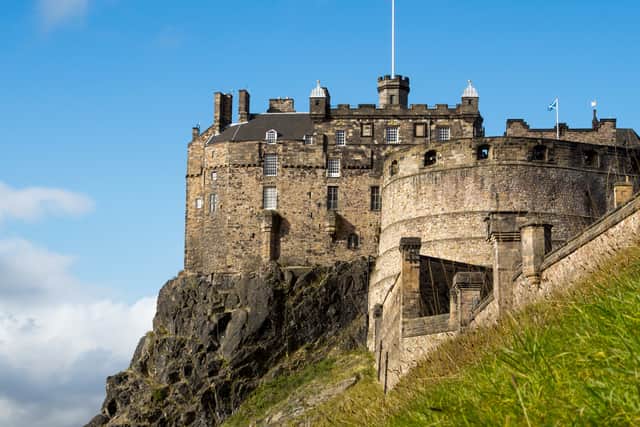
Stone towers appear unexpectedly on roadside hills, at village edges, and beside quiet lochs with astonishing frequency. Scotland holds more than 2,000 castles, from grand royal fortresses to ivy-covered ruins slowly returning to the land. Some dominate skylines like Edinburgh Castle, while others rest hidden beyond farm gates or forest paths. What makes them overwhelming isn’t just the quantity, but the stories layered into every wall. Centuries of clan rivalries, royal intrigue, sieges, and shifting borders echo through each structure. Many remain fully accessible, offering battlements to climb, dungeons to explore, and grand halls that once hosted monarchs. Others stand roofless yet powerful, still commanding attention through scale alone. Traveling across the country often feels like hopping through time without warning. Drivers pass three castles within an hour and barely slow down because the next one appears just as quickly. Over time, the abundance starts altering perspective—fortresses become casual landmarks instead of rare wonders. That gradual normalization of history on such an epic scale is precisely what makes these castles so dangerously distracting.
The Highlands Might Steal Your Heart Forever

Quiet roads weave between towering mountains, wide-open glens, and distant lochs that reflect skies in constant motion. The Scottish Highlands operate at a slower rhythm that gently pulls visitors out of modern urgency. Villages sit far apart, noise fades quickly, and the land seems to breathe on its own terms. Wildlife wanders freely, weather shifts suddenly, and silence carries real weight. Every turn of the road offers a new horizon that feels untouched and deeply personal. There is a strange calm found in watching clouds drift across rugged ridgelines without interruption. Even short walks lead into vast spaces where the only sounds are wind, water, and boots on stone. Many travelers arrive expecting dramatic views but leave carrying emotional attachment instead. The Highlands rarely rely on attractions or schedules; the land itself becomes the experience. That emotional grip forms quietly, often after a single misty morning drive or sunset beside a lonely loch. Long after leaving, the pull to return lingers stubbornly. It’s less like missing a place and more like missing a feeling that refuses to fade.
Lochs Look Like Photoshop

Still water stretches across valleys with such clarity that reflections appear unnaturally sharp. Mountains mirror perfectly on glassy surfaces, broken only by ripples from passing birds or drifting mist. Scotland’s lochs carry a visual drama that often feels digitally enhanced despite being entirely natural. Deep blues shift to silver under changing skies, while shorelines glow in evening light. Some lochs hide dark depths beneath calm surfaces, while others reveal submerged rocks through crystal-clear shallows. Sunrise and sunset transform these waters into layered gradients of color that cameras struggle to capture accurately. Long exposures barely seem necessary because the scene already feels edited. Whether framed by pine forests, steep cliffs, or open moorland, each loch presents a distinct personality. Larger expanses like Loch Lomond contrast sharply with narrow, winding stretches such as Loch Ness or Loch Shiel. Visitors often pause longer than planned, drawn into silent staring matches with the horizon. Over time, even the most skeptical travelers begin questioning reality itself. When natural scenery consistently outperforms expectations, it quietly ruins future standards of beauty everywhere else.
Locals Are Too Friendly
Conversations spark easily in shops, pubs, and quiet village streets, often without any formal introduction. Visitors quickly notice how casually strangers become storytellers, guides, and travel advisors within minutes. Directions come paired with personal recommendations, weather commentary, and bits of local humor. There’s an effortless warmth in everyday interactions that feels unforced and genuine. In rural areas especially, greetings come naturally, and passing exchanges rarely feel rushed. Even in larger cities like Glasgow and Edinburgh, friendliness shows through casual banter and easy laughter. Many travelers arrive expecting reserved behavior but leave surprised by how open and engaging people feel. This welcoming nature creates instant comfort, making unfamiliar places feel oddly familiar. Over time, repeated kindness begins to shift perspective on hospitality entirely. Pubs become social hubs instead of simple dining stops, and brief chats turn into memorable moments. The real danger lies in how easily one starts feeling like part of daily life rather than a temporary visitor. That sense of belonging develops quickly and makes departures far more difficult than anyone anticipates.
Wildlife Will Distract You Constantly
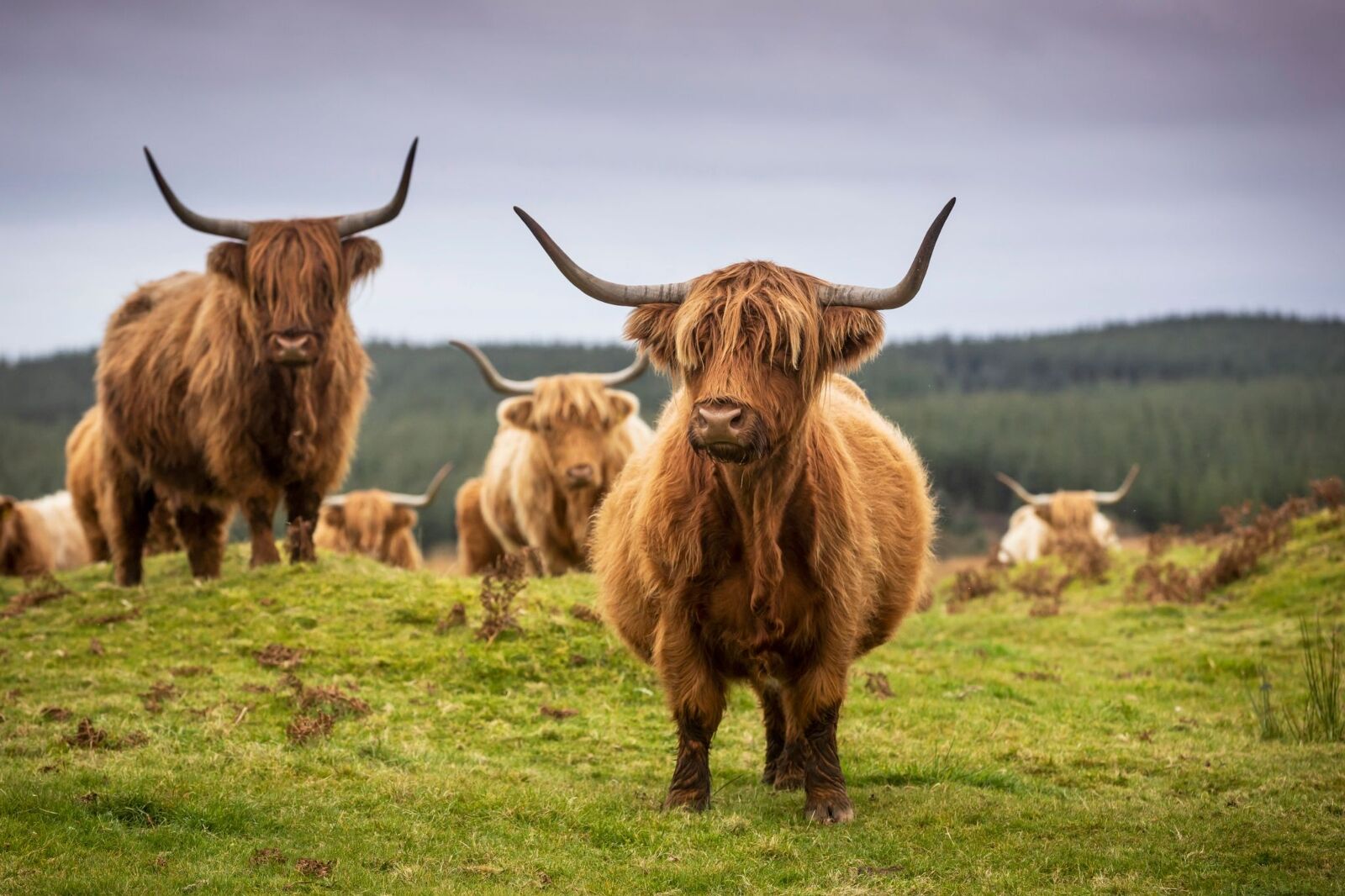
Red deer emerge quietly along forest edges, seals surface near rocky shores, and golden eagles glide effortlessly overhead. Scotland’s wildlife appears not as isolated spectacle but as a regular part of the landscape. Highland cows wander roadside fields with iconic silhouettes, often causing spontaneous traffic stops. Dolphins leap near coastal headlands while puffins crowd remote island cliffs during nesting season. Even casual walks turn into slow-moving explorations once animal sightings begin stacking up. Otters slip into rivers at dusk, and ospreys hunt with sudden precision above shimmering water. The variety feels almost excessive for a country of its size. Outdoor plans often stretch longer than intended because something always seems to move in the distance. Binoculars become permanent companions rather than optional gear. For photographers, patience becomes constant practice as subjects appear without warning. Over time, attention shifts from destinations to whatever activity unfolds along the way. The real distraction lies in how easily these encounters override schedules, transforming simple travel days into unexpected wildlife documentaries.
The History Is Overwhelmingly Epic
Battles, monarchs, rebellions, and ancient settlements shape nearly every region with astonishing density. Walking through Scottish towns often means crossing ground that once influenced entire empires. Roman forts sit alongside medieval cathedrals, while clan strongholds rise near prehistoric stone circles. Museums barely scratch the surface of timelines that stretch back thousands of years. Streets feel layered with memory, where modern cafés operate beside structures older than many nations. Even small villages carry legacies of uprisings, migrations, and border conflicts. Stories tied to figures like Robert the Bruce, Mary Queen of Scots, and Bonnie Prince Charlie continue shaping national identity today. Travelers frequently encounter plaques, ruins, and preserved battlegrounds woven seamlessly into daily life. This constant exposure makes history feel less like distant study and more like lived environment. Over time, the sheer volume becomes disorienting—in a good way. There’s always another chapter waiting around the next bend. The real problem arises when leaving, because few places maintain such a powerful sense of continuous time.
The Food Is Shockingly Good

Fresh seafood arrives daily from cold, clean waters, while grass-fed beef and lamb define hearty inland dishes. Scotland’s modern food scene blends traditional flavors with refined technique in quietly impressive ways. Local cheeses rival European favorites, and oat-based dishes remain deeply satisfying. Haggis surprises many first-timers with its savory richness rather than the reputation that precedes it. Smoked salmon, scallops, and mussels often reach plates within hours of harvest. Bakeries turn out buttery shortbread, flaky scones, and dense fruit loaves that quickly become daily cravings. Even simple pub menus carry depth, featuring slow-cooked stews, handmade pies, and seasonal vegetables grown nearby. Whisky pairings elevate meals into cultural experiences rather than just drinks. Unexpected culinary quality becomes one of the country’s most underestimated features. Many arrive anticipating rugged fare but leave praising flavor balance and ingredient integrity. Over time, meals become as memorable as landscapes. The real danger appears later, when standards rise and everyday dining elsewhere suddenly feels less satisfying by comparison.
Road Trips Are Addictive

Quiet highways curve along coastlines, cut through valleys, and crest mountain passes with constant visual reward. Driving becomes less about reaching destinations and more about absorbing everything between them. Short distances hide surprisingly dramatic shifts in scenery, making every hour behind the wheel feel purposeful. Single-track roads encourage slower movement and sharper awareness of surroundings. Pull-off points appear frequently, tempting drivers into endless photo stops. Even minor detours reveal waterfalls, ancient bridges, and hidden beaches without warning. Navigation apps often lose relevance as instinct begins guiding route choices instead. Coastal loops around the North Coast 500 or winding Highland routes redefine expectations of scenic travel. Fuel stops turn into extended pauses simply because views feel too good to rush. Over time, movement itself becomes the main attraction rather than fixed landmarks. This shift subtly rewires how travel is experienced. The only real risk is how quickly future road trips elsewhere start feeling visually underwhelming after Scotland sets such a high standard.
You Might Become Loch-Ness Obsessed

Dark water stretches beneath steep hills near Inverness, carrying mystery that refuses to fade with logic. Stories of strange sightings and unexplained movement cling stubbornly to Loch Ness, regardless of scientific explanations. Visitors arrive curious and soon find themselves scanning the surface longer than planned. The size alone fuels imagination—vast, deep, and quietly intimidating under shifting skies. Shorelines feel ancient, as if they’ve witnessed centuries of whispered legends. Boat tours drift slowly across the water, maintaining suspense even when nothing stirs. Museums, local lore, and eyewitness accounts deepen fascination rather than dissolve it. Even skeptics often admit to feeling something unusual in the atmosphere. Over time, rational thought gives way to playful wondering. Cameras remain ready just in case ripples become something more. The obsession builds subtly, fueled by uncertainty rather than proof. The real danger isn’t believing outright—it’s the lingering desire to keep watching long after logic says nothing will happen.
Sunsets Hit Harder Than Expected

Late evening light lingers unusually long during warmer months, stretching golden hours well past typical expectations. Coastal horizons catch fire with color, while inland hills soften into layered silhouettes. Skies shift through amber, crimson, violet, and deep blue in slow, cinematic sequence. Reflections double the impact across lochs and tidal flats. Even cloudy days often break open just in time for dramatic closing scenes. The pace encourages quiet observation rather than rushed photography. Remote locations amplify the effect, where human noise fades and nature dominates completely. Many travelers plan around sunset once they witness it firsthand. Dinner schedules adjust, walks extend, and drives pause without complaint. The emotional weight sneaks up unexpectedly, tapping into reflection and stillness at once. Over time, evening becomes the most anticipated hour of the day. The real consequence appears later, when ordinary sunsets elsewhere suddenly feel shorter, dimmer, and far less powerful by comparison.
You’ll Want To Move There
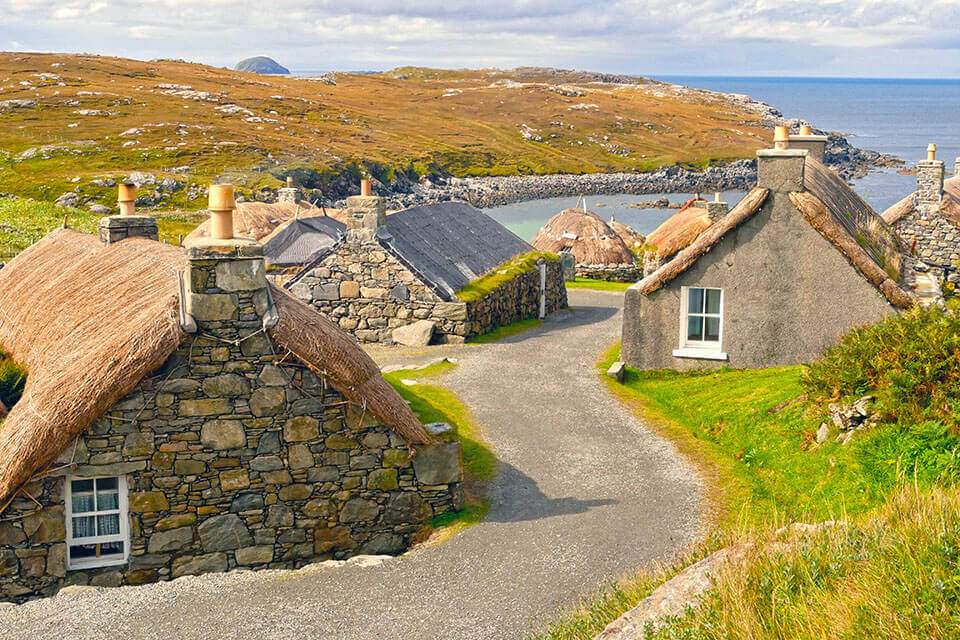
Everyday life seems gently rebalanced by slower rhythms, open landscapes, and deeply rooted community ties. Cities offer creative energy without overwhelming scale, while rural areas promise space rarely found elsewhere. Cost of living varies widely, yet many regions still offer strong value relative to quality of life. Outdoor access becomes effortless rather than occasional. Workdays feel different when hiking trails, coastal paths, or forest roads sit minutes away. Cultural identity remains strong without feeling exclusive. Music sessions, local festivals, and seasonal traditions anchor communities together. Healthcare, education, and infrastructure continue evolving while preserving heritage. Over time, casual thoughts of extended stays evolve into practical considerations. Housing searches quietly begin. Remote work options make the idea feel even more realistic. The emotional draw grows strongest once visitors imagine daily routines within these settings. The danger lies not in relocation itself—but in how quickly temporary travel dreams transform into permanent plans without ever feeling forced.