
Set against the rugged landscapes of northern Kenya, Samburu Reserve offers an unforgettable safari experience defined by its unique wildlife and cultural richness. Home to the rare “Samburu Special Five” and framed by the Ewaso Ng’iro River, this protected area blends dramatic scenery with thriving biodiversity. Visitors encounter elephants, big cats, and indigenous species found nowhere else, while local Samburu communities add authentic cultural insight. This travel guide provides essential tips to explore Samburu Reserve responsibly, ensuring a meaningful and memorable journey.
“Special Five” Wildlife Focus

In Samburu National Reserve, sightings of the “Special Five” highlight the region’s unique ecological identity. These include the Grevy’s zebra, reticulated giraffe, Somali ostrich, gerenuk, and Beisa oryx. Each species adapts remarkably to the semi-arid landscape, thriving in conditions harsher than many other African reserves. Travelers often find the Grevy’s zebra striking due to its narrow stripes and endangered status. The reticulated giraffe, with its geometric coat patterns, becomes a photographic favorite against red-dust backdrops. Somali ostriches stand taller than their southern relatives, displaying vivid blue skin during breeding. Gerenuks, known as “giraffe gazelles,” stretch upright on hind legs to browse shrubs, offering rare behavioral observations. Beisa oryx herds display resilience with their drought tolerance and sharp horns used for defense. Unlike the “Big Five” associated with high-density reserves, Samburu’s list emphasizes adaptation and rarity, enriching the safari experience. Game drives guided by local rangers enhance the chance of spotting all five in one excursion, particularly during the cooler early mornings. Observing these species allows travelers to understand biodiversity beyond traditional safari icons, supporting awareness of conservation needs. Encountering the Special Five in Samburu is not just a checklist moment but an insight into the reserve’s distinctive desert-adapted ecosystem.
Riverfront Sundowners at Uaso Nyiro

Evenings in Samburu unfold most memorably along the Uaso Nyiro River, where sundowners are part of the safari tradition. This ribbon of green cutting through the dry reserve becomes a gathering place for elephants, buffalo, and antelope as dusk approaches. Watching wildlife descend to the water’s edge while the sky shifts from gold to deep purple creates a moment of stillness and reflection. Safari lodges and mobile camps set up riverside chairs, lanterns, and refreshments, blending hospitality with natural spectacle. The warm glow of the setting sun not only frames the scenery but also cools the day’s heat, making it the perfect time to unwind. Bird calls soften into evening rhythms while hippos occasionally surface, reminding visitors of the river’s hidden depths. Travelers often note that sundowners here differ from savannah settings because of the intimate proximity to wildlife at the waterline. For photographers, the low light adds warmth to shots of elephants silhouetted against acacia outlines. This daily ritual also carries a cultural touch, echoing colonial safari traditions adapted for modern eco-tourism. Ending the day at Uaso Nyiro provides both relaxation and immersion, balancing comfort with untamed wilderness. It’s an experience that grounds the safari in rhythm, memory, and quiet grandeur.
Cultural Encounters with the Samburu Tribe

One of the defining experiences in Samburu Reserve extends beyond wildlife to meaningful interactions with the Samburu people. Known for their semi-nomadic lifestyle, the Samburu maintain traditions tied closely to livestock, community, and spiritual beliefs. Visits to villages reveal colorful beadwork, with intricate jewelry worn to signify status, age, and life milestones. Travelers often witness traditional dances, where rhythmic chants and body movements communicate identity and storytelling. Herding practices also highlight resilience in a challenging semi-arid environment, showcasing a culture deeply attuned to seasonal patterns. Engaging with local guides provides context to rituals, from warrior initiation to the importance of cattle in dowries. These encounters allow visitors to appreciate that the landscape is not only home to wildlife but also to people whose history stretches back centuries. Responsible tourism practices encourage respectful participation, ensuring communities benefit directly from cultural exchanges. Purchasing handmade crafts, for example, supports women’s cooperatives while preserving artistry. The Samburu’s connection to conservation is also noteworthy; elders often collaborate with park authorities to balance pastoral life with wildlife protection. For travelers, meeting the Samburu tribe offers perspective that enriches the safari beyond photography—adding layers of heritage, continuity, and human connection to the journey.
Birdwatching Hidden Gems
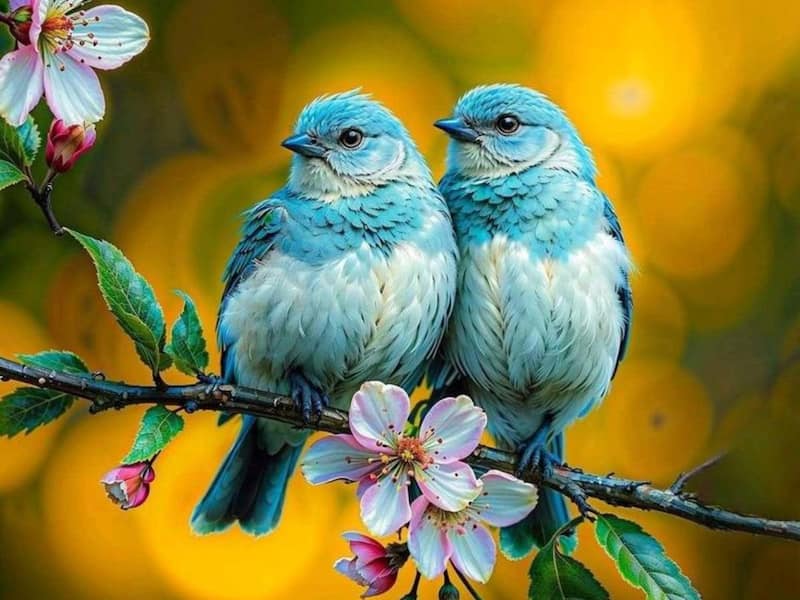
Beyond elephants and lions, Samburu Reserve rewards patient birdwatchers with over 450 recorded species. The varied habitats—riverside forest, acacia scrub, and open grassland—support both residents and migratory flocks. Enthusiasts often focus on rare endemics like the vulturine guineafowl, known for its electric-blue plumage and striking patterns. Somali bee-eaters flash emerald and chestnut colors while darting after insects in open skies. Martial eagles and bateleurs patrol thermals, providing thrilling raptor sightings for those with binoculars at hand. Seasonal visitors include Palearctic migrants such as Eurasian rollers, expanding the spectacle between October and April. Riverbanks near Uaso Nyiro attract kingfishers, weavers, and hornbills, each filling the air with distinct calls. Bird hides positioned by some eco-lodges offer shaded vantage points for extended observation without disturbing natural behavior. Unlike reserves with denser vegetation, Samburu’s semi-arid openness often gives clearer views, making it beginner-friendly for photography. Birdwatching here blends leisure with education, encouraging guests to slow down and notice details often overlooked during fast-paced game drives. Guides trained in ornithology share knowledge about nesting cycles, feeding habits, and local folklore tied to birds. Spotting Samburu’s hidden avian gems adds dimension to the safari, balancing mammal sightings with vibrant, feathered discoveries.
Solo Game-Drive Routes Less Traveled
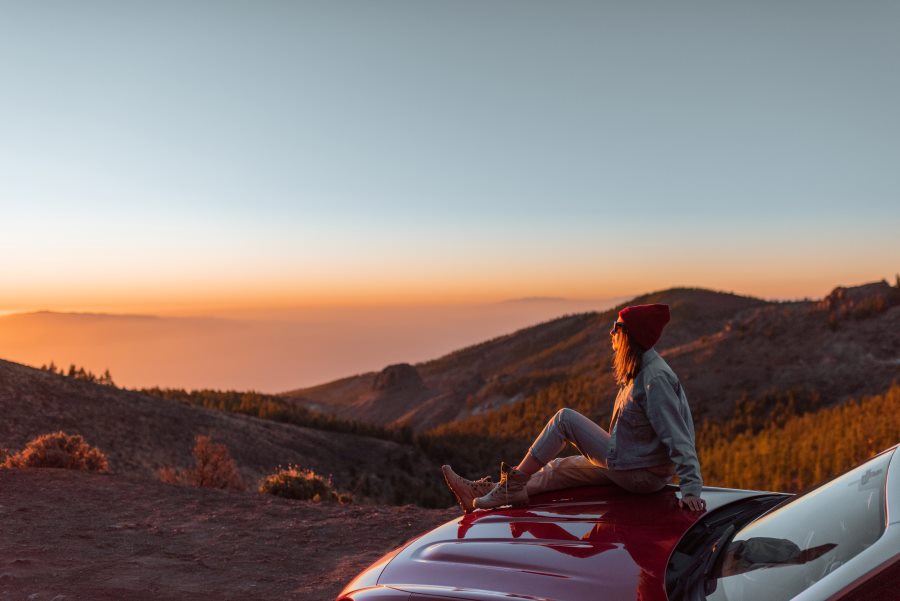
Travelers who prefer independence find Samburu’s lesser-driven tracks rewarding. While guided safaris remain the standard, self-drive options allow visitors to set personal pace and linger at sightings without schedule pressure. Tracks winding toward Buffalo Springs or along quieter river loops offer seclusion, often with sightings of giraffes browsing in silence or gerenuks balancing elegantly on hind legs. The sense of solitude contrasts with the busier routes near central lodges, where convoys sometimes gather around predators. Early departures maximize sightings before heat disperses wildlife into shade. Navigation requires reliable 4×4 vehicles, as sandy riverbeds and uneven tracks challenge less-prepared drivers. Maps and GPS applications assist, though ranger advice before heading out remains essential for safety. Carrying enough water and fuel ensures resilience in this semi-arid wilderness. For photographers, solitude offers cleaner frames free of multiple vehicles, especially around elephants or birds in open vistas. Quiet stretches heighten awareness of sounds—rustling leaves, distant baboon calls, or the sudden alarm of antelope. While solo exploration appeals to seasoned travelers, respecting park regulations and wildlife distance rules is non-negotiable. For many, the reward lies in experiencing Samburu’s raw atmosphere without distraction, capturing the essence of wild Africa on one’s own terms.
Dry Season vs Wet Season Contrasts

Seasonal shifts in Samburu Reserve dramatically influence the landscape and safari experience. During the dry months, typically June to October and January to March, wildlife congregates near the Uaso Nyiro River and scattered waterholes. This concentration creates high-density sightings, making predators easier to spot as they follow herds of zebra and oryx. The parched terrain also provides clearer views, as sparse vegetation reduces obstruction. Conversely, the wet season transforms Samburu with bursts of green. From April to May and again in November, the reserve rejuvenates with wildflowers and fresh grasses. Migratory birds arrive in large numbers, offering additional interest for birders. Game becomes more dispersed, though sightings of calves and newborns increase, reflecting the abundance of resources. Roads may become muddy, requiring patience and capable vehicles. Photographers appreciate the wet season for dramatic skies, contrasting with vivid landscapes. Meanwhile, the dry season’s golden hues highlight silhouettes against dust-filtered sunsets. Each season offers advantages: accessibility and predator action in dry months, versus lush scenery and avian diversity during rains. For travelers planning a visit, aligning expectations with the calendar ensures the best personal fit. Both cycles reveal Samburu’s resilience, showcasing how ecosystems pivot between scarcity and renewal.
Photography Light & Panorama Points
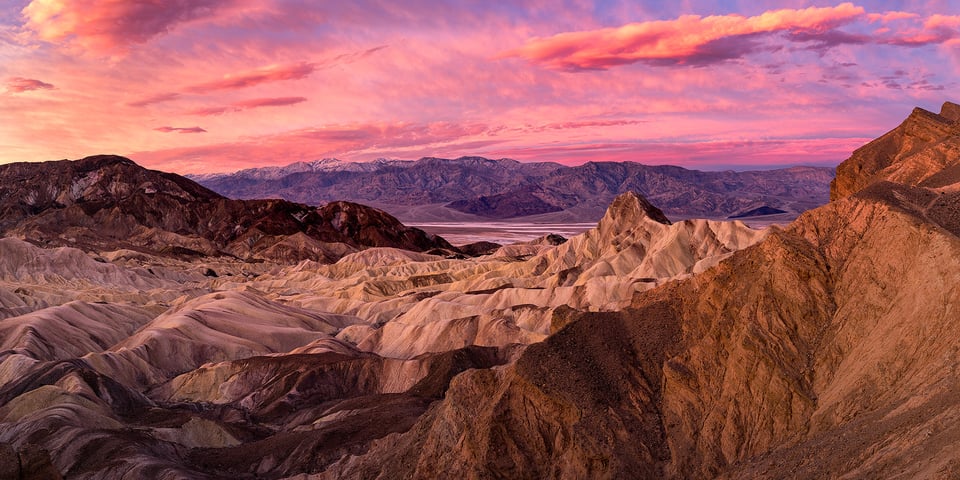
Samburu rewards photographers with settings that shift in tone throughout the day. Morning light creates crisp contrasts as wildlife emerges from the cool night, often producing sharp, detail-rich frames of zebra or giraffes. Midday challenges with glare, yet reflections along the Uaso Nyiro River yield creative compositions of elephants at play. Late afternoon offers golden-hour brilliance, softening the arid terrain into warm hues. Silhouettes of acacia trees against fiery skies often become traveler favorites. Elevated spots near rocky outcrops and escarpments provide sweeping panoramas, ideal for wide-angle shots capturing both herds and expansive horizons. Guides familiar with light movement suggest vantage points where predators patrol at dawn or where herds line up along dusty trails at dusk. During the wet season, cloudscapes add mood, creating dramatic backdrops for soaring raptors. Patience proves vital—waiting for a giraffe to align with mountain ridges or for ostriches to cross in symmetry. Responsible practices, such as avoiding flash near nocturnal species, preserve natural behavior. Many lodges cater to photography enthusiasts by offering mobile blinds or vehicle modifications. For professionals and hobbyists alike, Samburu’s interplay of light and landscape ensures each visit yields new visual stories etched in memory.
Eco-Lodging & Camp Ethics

Accommodation in Samburu reflects a balance between comfort and conservation. Safari lodges and tented camps prioritize low-impact designs, often blending with the arid environment through natural materials like canvas, stone, and thatch. Solar power and water recycling systems minimize resource strain, aligning stays with sustainability goals. Some properties are community-owned, ensuring tourism directly benefits Samburu families through employment and revenue sharing. Guests learn about eco-ethics, from proper waste disposal to reducing single-use plastics. Camps encourage “leave no trace” principles, reminding visitors that fragile ecosystems demand respect. Staying near the Uaso Nyiro often allows wildlife encounters right at camp perimeters, offering thrilling yet safe proximity. Night sounds—from lions roaring in the distance to hyenas calling—underscore immersion without needing heavy infrastructure. Many lodges invest in conservation initiatives, funding anti-poaching patrols or wildlife monitoring programs. Visitors support these projects simply by choosing accommodations committed to sustainability. Beyond environmental care, cultural respect plays a role, with properties highlighting Samburu traditions through food, design, and storytelling evenings. Ethical lodging transforms a safari into more than a getaway—it becomes participation in safeguarding biodiversity and heritage. Choosing such stays ensures that tourism remains a positive force in Samburu’s long-term survival.
Wildlife Tracking Walks

For travelers seeking a deeper connection with nature, guided tracking walks offer immersion beyond the vehicle. Led by armed rangers and local trackers, these excursions teach participants to read the land. Fresh spoor in sand reveals which animals passed overnight, from elephant herds to elusive leopards. Dung piles indicate diet and territory, while broken branches hint at browsing habits. Guides also share traditional knowledge, explaining how pastoral communities interpret signs to safeguard herds. Walks usually take place during early mornings when temperatures are manageable and wildlife activity is higher. Safety remains paramount, with strict rules on silence, spacing, and response to close encounters. Unlike game drives, walks slow the pace, allowing appreciation of small wonders like dung beetles at work, termite mounds functioning as micro-ecosystems, or medicinal plants tucked among rocks. The heightened sensory awareness—hearing distant calls, smelling crushed vegetation, or feeling warm earth underfoot—adds depth to the safari. For photographers, tracking brings unique opportunities to frame subjects from ground level, emphasizing scale and intimacy. These experiences foster respect for both animal behavior and human skill, creating memories grounded in participation rather than passive viewing. Tracking walks embody the essence of learning from the wild directly.
Bush Food & Medicinal Plant Trails
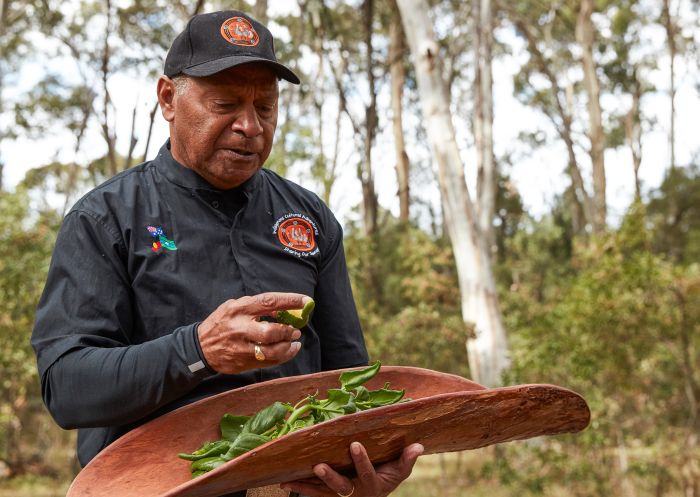

Beyond iconic wildlife, Samburu landscapes hold a pharmacy and pantry long recognized by local communities. Guided trails introduce visitors to the edible and medicinal uses of native plants. Leaves of certain acacias provide fodder and antiseptic properties, while fruits from doum palms offer sweet snacks. Bark infusions, roots, and resins have historically been used to treat ailments from stomachaches to fevers. Guides often explain how knowledge is passed orally through generations, reinforcing cultural resilience. These trails highlight the interdependence of people and environment, offering insight into survival strategies in semi-arid regions. Visitors may sample herbal teas brewed from shrubs or observe preparation of poultices. Respect remains central—plants are shown but rarely over-harvested, emphasizing conservation alongside education. For those interested in ethnobotany, Samburu offers a living classroom that blends anthropology, ecology, and wellness. Trails often weave through riverine thickets and rocky outcrops, areas where diverse flora thrive despite harsh conditions. Experiencing the bush through this perspective enriches appreciation of biodiversity, showing that even unassuming plants hold value. Such walks underline how ecosystems serve not just wildlife but human continuity, deepening travelers’ respect for traditional knowledge and the reserve’s fragile balance.
Early Morning Quiet Moments

Before the sun lifts above the rugged hills, Samburu Reserve holds a stillness that feels almost sacred. Cool air carries the scent of acacia and damp earth as nocturnal animals retreat into hiding. Game drives that begin at dawn often reveal lions finishing hunts, elephants stirring from riverbeds, and giraffes moving slowly across pale light. The soft glow casts long shadows, perfect for observing wildlife with minimal disturbance. Birdsong builds gradually, adding a soundtrack to the awakening landscape. Camps and lodges often encourage early risers to take coffee around campfires before heading out, a ritual that connects visitors to the rhythm of the bush. Photographers treasure these hours, where soft light brings out detail without harsh glare. For travelers, the peace of morning offers reflection as much as adventure, reminding them that safaris are about immersion, not only sightings. Early hours also mean fewer vehicles on the tracks, granting more private encounters with wildlife. These moments, quiet yet alive with anticipation, become some of the most memorable experiences, carrying a sense of privilege in witnessing the wilderness at its calmest. Samburu’s mornings embody the essence of safaris—serenity, unpredictability, and raw beauty all converging in one fleeting window.
Access & Travel Logistics

Planning a journey to Samburu requires understanding its semi-remote location. The reserve lies about 350 kilometers north of Nairobi, with travel options by road or air. Road journeys, lasting six to seven hours, offer scenic variety through central Kenya’s highlands before descending into the dry north. Reliable 4×4 vehicles are essential, especially during wet months when sections become muddy. Alternatively, domestic flights from Nairobi’s Wilson Airport to Samburu’s airstrips reduce travel time to under two hours, offering aerial views of mountains and winding rivers. Once inside the reserve, movement is restricted to designated tracks, and guides are recommended both for navigation and safety. Entry fees differ for citizens, residents, and international visitors, supporting conservation efforts. Most lodges arrange transfers, simplifying logistics for travelers unfamiliar with the terrain. Best practice includes packing lightweight clothing for daytime, warm layers for cool nights, and insect protection. Travel insurance is advisable given the remote context. Communication can be limited, though many camps offer basic connectivity. Coordinating entry with Buffalo Springs and Shaba reserves provides expanded access under one ticket. Understanding these logistics ensures smoother experiences, leaving travelers free to focus on wildlife and cultural immersion once inside Samburu.