
Nestled in California’s Sierra Nevada mountains, Sequoia National Park is home to some of the largest and oldest trees on Earth, including the world-famous General Sherman Tree. Beyond its towering giants, the park offers rugged landscapes, deep canyons, alpine peaks, and rich biodiversity that make it a haven for outdoor enthusiasts. Visitors can hike scenic trails, marvel at ancient groves, and experience the wonder of untouched wilderness. This Sequoia National Park USA Travel Guide provides essential tips, highlights, and practical advice to ensure a rewarding journey through one of America’s most extraordinary natural treasures.
Moro Rock Staircase Sunrise Show

Climbing the granite steps of Moro Rock at dawn offers one of the most dramatic panoramas in Sequoia National Park. The hand-carved staircase ascends nearly 400 steep steps, guiding visitors to a narrow summit where the Sierra Nevada spreads out in golden morning light. At sunrise, shadows carve across ridges while the Kaweah River Canyon glows with soft hues. Early arrival is essential, not only to avoid midday crowds but also to catch the calm atmosphere before winds rise. The climb can feel intense due to rapid elevation gain, yet handrails and well-maintained stairs make it manageable for most hikers with sturdy shoes. From the summit, views stretch toward Mount Whitney and the Great Western Divide, rewarding the effort with unmatched perspective. Wildlife often stirs below, with mule deer crossing meadows as raptors ride morning thermals. For photographers, the sun’s low angle provides crisp contrasts and warm tones, while for casual travelers, the experience delivers a profound sense of scale against towering landscapes. Packing water and allowing time to rest at the top ensures comfort during descent. This short yet powerful trek captures why sunrise at Moro Rock remains a signature highlight of the park experience.
Tunnel Log Drive-Through & Light Play

Driving through Tunnel Log gives a rare chance to pass beneath a fallen giant sequoia, a quirky feature that doubles as a photo landmark. The tree toppled naturally in 1937 and was later carved to allow vehicles through, creating a passageway that frames headlights and sky in unusual ways. Midday often brings crowds, so early morning or late afternoon is the most rewarding time for quieter conditions and striking shafts of sunlight. Photographers appreciate how beams filter through the cut, casting playful light across the road surface. Though vehicles can pass, many visitors prefer to walk through and experience the contrast in scale—standing inside reveals the immensity of a trunk more than 20 feet in diameter. Adjacent pull-outs provide safe spots to park and explore without rushing. In winter, snowfall adds a magical layer, softening the massive structure with white highlights. It is worth remembering that Tunnel Log is more than a roadside novelty; it’s a reminder of nature’s cycle of growth, fall, and adaptation. Families find it especially fun, while history enthusiasts see it as a Depression-era example of early park engineering. Combining a stop here with nearby Crescent Meadow creates a balanced mix of playful and scenic sightseeing.
Congress Trail Giants & Split Tree Wonders

Stepping onto the Congress Trail immerses visitors in one of the densest concentrations of giant sequoias anywhere in the park. This paved, accessible loop branches from the General Sherman Tree area, leading deep into groves where names like “The House” and “The Senate” honor massive clusters standing like a natural assembly. Along the path, the Split Tree presents a striking sight: a living sequoia cleaved nearly in two yet continuing to grow, symbolizing the resilience of these trees. The trail also highlights plaques and interpretive signs, offering context on natural history, indigenous connections, and conservation milestones. Wildlife sightings are common—squirrels dart across roots, while birds such as Steller’s jays echo through the canopy. Because the loop stretches about two miles, it balances accessibility with opportunities to linger in quiet corners. Morning or late afternoon offers the most atmospheric light, as sunbeams slant through towering trunks and shadows stretch across the forest floor. Families, solo travelers, and photographers alike benefit from the trail’s variety: open clearings, shaded groves, and occasional meadows. Benches along the route invite rest, ensuring slower pacing for reflection. Walking the Congress Trail is less about rushing toward landmarks and more about absorbing the timeless atmosphere among enduring giants.
Parker Group Sequoias Hidden Clusters

Tucked near the Generals Highway, the Parker Group offers an intimate glimpse at a family of sequoias clustered closely together. Unlike the solitary giants often highlighted, this grouping feels more like a gathering, with trunks rising in near-perfect alignment and forming a natural cathedral of reddish bark. The grove was named in honor of a family of early park supporters, and today it provides visitors with one of the more tranquil stops away from heavily trafficked areas. Because the trees stand so close, light filters differently, bouncing between trunks and creating layered textures that shift with the time of day. Photographers appreciate the vertical lines, while casual hikers enjoy the hushed atmosphere. Nearby pullouts make access straightforward, yet the location remains overlooked compared to Sherman or Moro Rock, making it an ideal pause for those seeking solitude. Interpretive signs explain both the naming history and ecological significance of such clusters, particularly how fire and soil conditions allow these trees to thrive together. Visiting in late afternoon highlights the reddish glow of bark, while early mornings often reveal quiet bird activity in surrounding pines. The Parker Group underscores how sequoias can inspire awe not only through size but also through community presence.
Big Trees Trail Meadows & Wildlife Moments
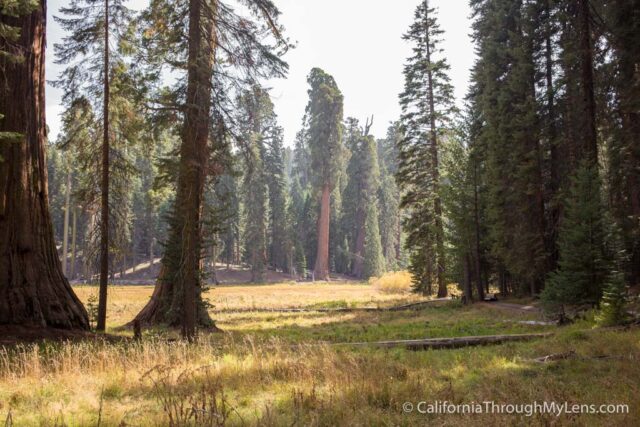
Encircling Round Meadow, the Big Trees Trail offers a gentle walk where natural beauty and wildlife encounters unfold with ease. The flat, accessible boardwalk loops for about one mile, making it ideal for families or those looking for a slower pace. Interpretive panels detail the life cycle of sequoias, from tiny cones to towering monarchs, while also highlighting the importance of meadows as water reservoirs for surrounding ecosystems. Mule deer often graze here, and ground squirrels dart across open patches, offering plenty of opportunities for observation. In spring and summer, wildflowers brighten the edges, while autumn introduces golden hues. Birdwatchers may spot woodpeckers tapping trunks or hawks circling overhead. Because of its location near the Giant Forest Museum, this trail is both convenient and educational. Early morning walks typically bring the best wildlife activity, while late afternoons allow for golden light reflecting off meadow grasses. The boardwalk protects fragile soils, reminding visitors of the balance between access and conservation. Benches provide rest stops for reflection, and the overall atmosphere feels serene compared to busier attractions. Big Trees Trail demonstrates how accessible design and ecological interpretation can create meaningful experiences without strenuous hiking, making it a favorite introductory loop into sequoia country.
Topo-Route Waterfalls (Tokopah Falls, etc.)

Tracing the Marble Fork of the Kaweah River, the trail to Tokopah Falls provides one of Sequoia’s most rewarding short hikes. The 1.7-mile path begins at Lodgepole Campground and winds through granite canyons where wildflowers bloom in summer and snowmelt swells the river in spring. At the end, water plunges nearly 1,200 feet down a rugged cliff, creating misty spray that cools the air even on warm days. Along the route, hikers cross polished boulders, shaded stretches of pine forest, and open clearings with distant views of peaks. Families often find the trail approachable, though good shoes and water are essential. Early mornings offer solitude and clearer photography opportunities before afternoon light creates harsh glare. Beyond Tokopah, maps reveal additional waterfalls scattered in less visited canyons, rewarding those willing to hike farther. Seasonal variation is key—late summer flows thin to ribbons, while early June often delivers thunderous cascades. Wildlife sightings, including marmots basking on rocks, add character to the journey. Safety is important, as slick rocks near the falls can tempt risky scrambling. The combination of accessible distance, spectacular finale, and options for extended exploration makes this waterfall route a must for those balancing scenic reward with moderate effort.
Crescent Meadow Reflections & Quiet Woods

Referred to by John Muir as the “gem of the Sierra,” Crescent Meadow showcases a perfect blend of open grasslands framed by sequoias. Its circular shape captures morning and evening reflections, particularly when skies are calm and wildlife stirs along the edges. Walking the easy perimeter trail introduces a tapestry of ecosystems: frogs croaking from wet patches, woodpeckers tapping nearby trunks, and deer grazing at dawn. In summer, wildflowers dot the edges, adding bursts of color against green grasses. The meadow also connects to Tharp’s Log, a historic hollowed tree once used as a cabin, blending natural beauty with cultural history. Because Crescent Meadow sits near the end of the Moro Rock / Crescent Meadow Road, traffic is lighter, offering quieter experiences compared to Sherman Tree areas. Visitors who linger in early evening often hear owls beginning their calls as light softens across the clearing. Photographers appreciate the reflections, while families enjoy the short loop that combines scenery with interpretive signs. Meadows like this play vital roles in the park’s ecosystem, serving as water storage and wildlife habitat. Whether stopping briefly or exploring linked trails toward Log Meadow, Crescent Meadow delivers both tranquility and ecological storytelling within a compact landscape.
Alta Peak Lookouts for Sky Views

Ascending Alta Peak is one of the park’s most challenging yet rewarding adventures, climbing to more than 11,200 feet. The trail begins in Wolverton and covers nearly 7 miles one way, gaining over 4,500 feet in elevation. Because of its distance, most hikers commit to a full-day trek, packing layers and plenty of water. Along the route, the landscape shifts dramatically—shaded forests of lodgepole pine give way to alpine meadows, granite ridges, and eventually windswept slopes. From the summit, expansive views stretch across the Great Western Divide, with Mount Whitney often visible on clear days. The altitude makes the climb strenuous, so pacing and acclimatization are critical. Mid-summer provides the safest conditions once snow recedes, though early autumn offers cooler air and sharp visibility. Wildlife encounters add interest, from marmots near rocky outcrops to hawks circling overhead. Photographers find sunrise or late afternoon light particularly rewarding for capturing shadows across ridges. The peak also appeals to those seeking solitude, as fewer visitors tackle this demanding hike compared to shorter park trails. Alta Peak embodies the essence of high Sierra trekking—testing endurance, rewarding persistence, and granting unmatched views of sky, stone, and sequoia landscapes from above the treeline.
Colonel Young Tree & Lesser Known Sequoias

Among towering legends like Sherman, Grant, or Lincoln, the Colonel Young Tree offers a chance to appreciate a quieter corner of the Giant Forest. Named after Colonel Charles Young, the first African American superintendent of a national park, this tree stands as both a living monument and a reminder of overlooked history. Its placement off the main thoroughfares means many visitors pass without noticing, leaving the grove calm and uncrowded. The path winds gently, revealing the tree’s massive base before opening into smaller clusters of sequoias rarely photographed yet equally impressive. Interpreting this site provides cultural depth—Colonel Young oversaw road-building and conservation efforts that shaped early park access, ensuring visitors could experience these landscapes. Beyond this landmark, lesser known trees nearby invite exploration, including gnarled trunks and fire-scarred survivors that display resilience. Bird calls echo more distinctly in this quieter zone, adding atmosphere for those pausing to rest. The grove feels especially meaningful for travelers who appreciate stories of individuals who shaped park history. By stepping away from the busiest circuits, visitors encounter sequoias not only as natural giants but as symbols of human dedication and legacy woven into the broader tapestry of conservation.
Fog, Mist & Light Beams Among the Giants

Weather often transforms the Giant Forest into a cathedral of shifting light. When fog drifts through the canopy, trunks appear and vanish in succession, amplifying their scale and mystery. Morning mist filters sunlight into visible beams that cut diagonally through branches, creating one of the park’s most magical atmospheres. Photographers prize these moments, often arriving after rainfall or during cooler mornings when conditions favor condensation. Visitors walking quiet trails such as the Congress or Crescent Meadow loops may suddenly find themselves immersed in shifting patterns of light and shadow. Wildlife seems to respond differently as well—deer step cautiously across damp meadows, and birds grow more vocal in softened air. Safety requires extra awareness, as wet boardwalks and slick granite can make footing uncertain. Yet those willing to adjust their pace often find misty days the most rewarding, offering solitude as casual crowds retreat in less-than-perfect weather. Carrying a light jacket, protecting camera gear, and planning extra time allows for deeper enjoyment. Fog and beams reveal dimensions of the forest impossible to appreciate in clear sunshine, showing that sequoias inspire not only through size but through the ethereal interplay of light in ever-changing conditions.
Starry Nights from Wuksachi Lodge or High Camps

Clear skies above Sequoia National Park deliver some of the darkest night views in California’s Sierra Nevada. Guests staying at Wuksachi Lodge enjoy a convenient base with open areas nearby where constellations blaze without city glow. On moonless nights, the Milky Way appears like a silver ribbon arcing across the forest canopy. Photographers set up tripods on lodge terraces or short trails, capturing long-exposure shots framed by silhouettes of sequoias. For those venturing higher, designated wilderness camps such as Pear Lake or Alta Meadow provide elevated vantage points where horizons widen dramatically. The thinner atmosphere at these altitudes sharpens star clarity, often revealing satellites and meteor streaks. Rangers occasionally host stargazing programs in summer, offering telescopes and interpretive talks that deepen the experience. Winter nights, though colder, enhance brilliance as crisp air scatters less light. Visitors should pack warm clothing, red-beam headlamps to preserve night vision, and check forecasts for cloud cover. Beyond visual beauty, evenings carry a sense of profound quiet, broken only by distant owls or the rustle of wind through branches. Whether from a lodge patio or a remote camp, stargazing here connects travelers with the timeless scale of nature, mirroring the grandeur of the sequoias themselves.
Budget Lodging + Parking Tips to Avoid Crowds

Planning ahead helps maximize comfort while minimizing costs during a visit to Sequoia National Park. Budget-conscious travelers often look first to nearby towns such as Three Rivers, where motels and cabins provide more affordable stays than in-park lodges. Camping remains another cost-effective option, though reservations for campgrounds like Lodgepole fill quickly in summer. Arriving midweek or outside peak holiday periods reduces both lodging prices and competition for parking. For day visitors, early entry is key—lots near General Sherman Tree and Giant Forest Museum fill rapidly by mid-morning. Parking farther out and using shuttle systems during operating months can save time and stress. Carrying snacks, water, and a daypack reduces the need for frequent vehicle access, allowing longer uninterrupted exploration. Travelers should also note seasonal road closures that may shift traffic patterns, especially in winter. Checking the park’s official website before arrival ensures updated information on availability. Families benefit from combining economical stays with free ranger programs that enrich the experience without extra cost. By blending practical strategies—choosing the right town, reserving early, arriving early, and using shuttles—visitors can enjoy the park’s highlights while avoiding unnecessary expense and frustration. Thoughtful planning ensures more energy goes toward exploration than logistics.