
Cracking ice sheets, ancient secrets, and glass-clear depths await at the heart of Siberia’s untamed wilderness. As the world’s deepest and oldest freshwater lake, Lake Baikal holds more water than all the Great Lakes combined—yet its true magic lies in its surreal landscapes and unmatched biodiversity. From winter’s frozen playground to summer’s alpine serenity, each season unveils a different face of this remote marvel. For those drawn to rare ecosystems, raw natural beauty, and authentic local culture, this guide dives into everything needed to experience Baikal fully—whether skating on translucent ice or hiking above its mist-covered cliffs.
Olkhon Ice‑Bubble Road Walk
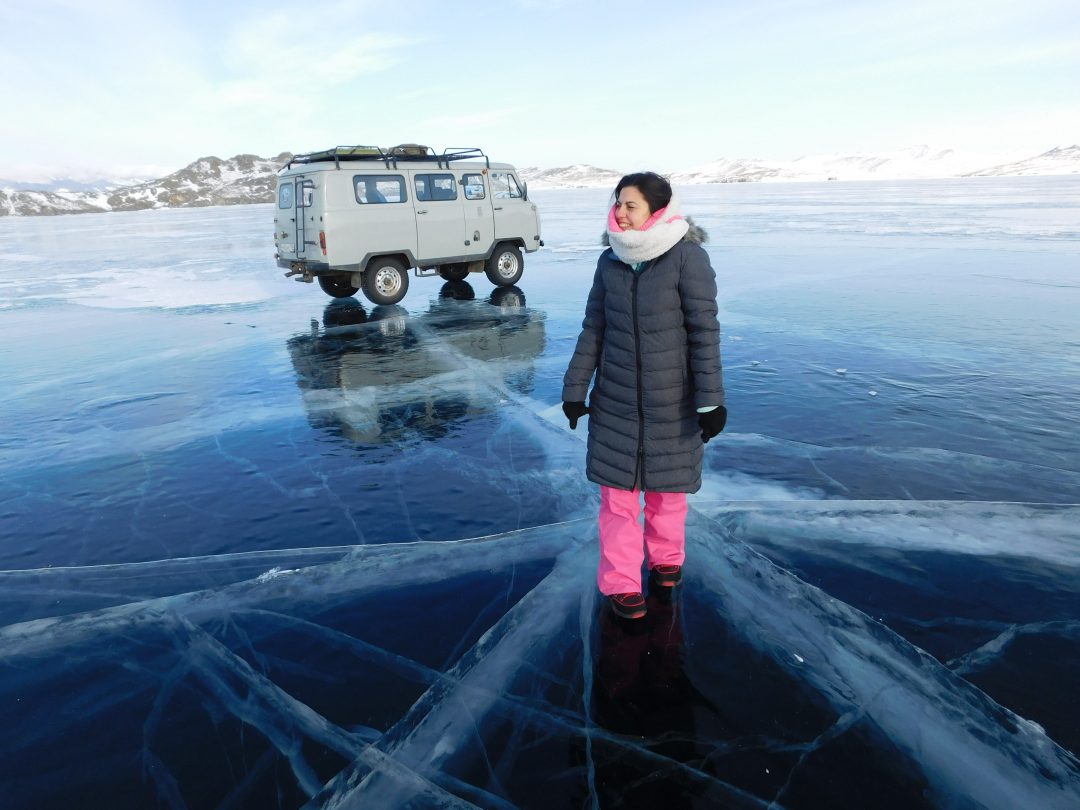
Footsteps crunch softly over crystal-clear surfaces as you set out across the frozen expanse near Olkhon Island. Beneath the transparent ice, methane bubbles remain suspended in surreal stacks—frozen time capsules layered by shifting lake gases. These bubble formations near Khuzhir offer one of Lake Baikal’s most photogenic phenomena, especially along the well-trodden path dubbed the “Ice-Bubble Road.” Walking this path reveals varying hues of blue, silver, and violet trapped in the ice, creating an almost otherworldly scene beneath your boots.
Sunlight plays a vital role here, best seen mid-morning when the low Siberian sun highlights the depth and details of the ice columns. Drones and action cameras thrive in these settings, capturing textures unseen in typical frozen landscapes. Photographers often favor the area near Cape Khoboy, where the bubbles are most densely concentrated and the ice remains pristine deep into winter.
Layering up is non-negotiable, as Baikal’s wind-chill dips well below freezing, even under clear skies. Crampons or studded boots are highly recommended for safety. Guides often offer bubble-focused walks that explain the methane formations and ice clarity unique to this part of Siberia. It’s an unforgettable sensory experience where science, nature, and silent wonder intersect.
Clear‑Ice Stack Shots Near Listvyanka

Crystal towers of wind-sculpted ice stand stacked like nature’s own glass shards near Listvyanka’s icy shores. These formations, forged by Baikal’s shifting pressure ridges, appear each winter as slabs fracture, pile up, and freeze into jagged yet mesmerizing clusters. Their transparent quality allows light to refract in remarkable patterns, especially during golden hours when the sun low on the horizon casts amber reflections through blue-toned shards.
For photographers, this area near the western shore provides some of the clearest ice in all of Lake Baikal. The stacks vary in size—from small crystalline wedges to towering ice plates over two meters high. Many visitors come for abstract compositions and close-up macro shots, where fine snow dust and trapped air bubbles create visual intrigue.
Foot access from Listvyanka village is possible in most winters, though ice conditions can shift rapidly. Always check with local guides for current access points. Because the ice here forms near shallow areas, it tends to crack with impressive acoustics, adding another sensory layer to your shoot.
Whether capturing the interplay of light and shadow or simply marveling at the clarity beneath your feet, this shoreline section near Listvyanka remains a must-see for those chasing winter’s raw artistry.
Glittering Ice Caves & Grotto Explorations

Twisting tunnels and overhanging domes sculpted entirely from solid ice create a sense of frozen magic along Baikal’s rugged coastlines. These natural formations, known locally as “sokui,” develop when lake water is blown over coastal cliffs and rocks, freezing into layered drips and icicles. The grottos around Olkhon Island and Cape Uyuga become especially intricate by mid-winter, revealing chambers that glitter with crystalline textures under natural light.
Exploring these caves demands caution and timing. Most tours enter during the coldest months—January through March—when ice is thick and stable enough to support foot traffic. Guides often bring helmets and headlamps, though many of the formations glow naturally thanks to refracted light from outside.
Some caves resemble frozen cathedrals, with translucent columns and vaulted ceilings. Others are narrow passageways where visitors must crawl or duck to move through. No two ice caves are identical, as wind, moisture, and rock shape influence their design each year.
Photographers love the way light filters through layers of frozen air bubbles and frost patterns. While stunning during daylight, many agree that twilight visits—with headlamps casting shadows across the walls—offer the most cinematic experience. These ephemeral spaces vanish each spring, making them truly rare wonders of Baikal’s winter realm.
Hovercraft Across the Deep‑Center Ice Field
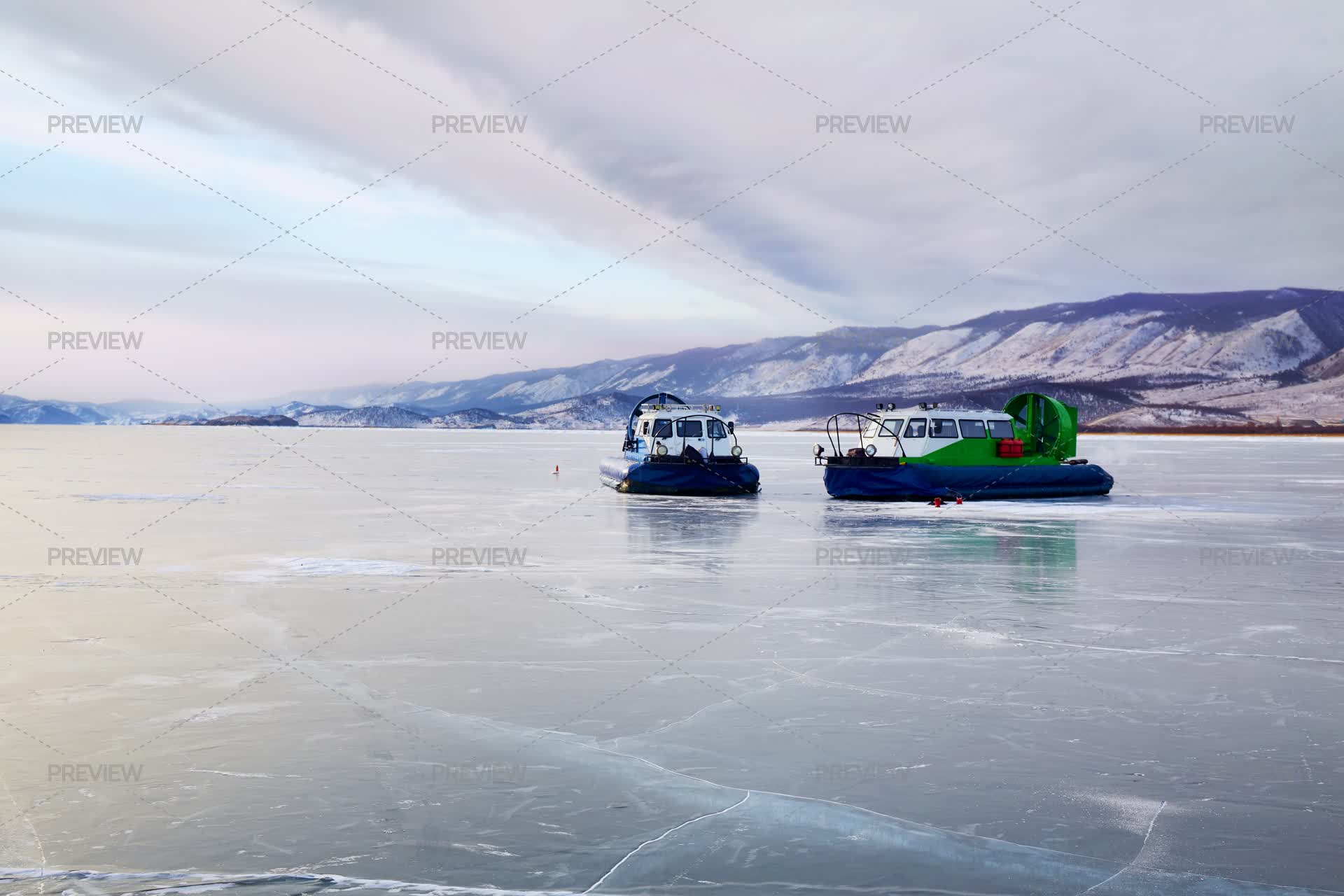
Gliding effortlessly over Baikal’s vast frozen surface, the hovercraft offers a thrilling and efficient way to traverse the lake’s deep central zone. Unlike snowmobiles or vehicles that rely on traction, hovercrafts skim across ice using an air cushion, minimizing pressure on the surface and enabling safe access even over thinner patches. From Irkutsk or Listvyanka, chartered hovercraft tours cut across the lake toward Olkhon or the remote Ushkany Islands.
The sensation of moving at high speed across a mirror-flat ice sheet—sometimes stretching for tens of kilometers in all directions—is both surreal and exhilarating. Cracks spiderweb beneath the transparent surface, revealing frozen gas pockets and occasional flashes of trapped vegetation or fish.
Many operators pause mid-lake to let travelers step onto the ice and experience the deafening silence of Siberia’s heart. Safety briefings are essential, and most hovercraft are equipped with satellite trackers, emergency kits, and local guides with intimate knowledge of Baikal’s behavior.
This form of winter transport is especially popular for photographers and filmmakers needing fast access to remote sections. Though loud, the hovercraft’s capabilities open up regions of Baikal inaccessible by other means—offering rare perspective and thrilling access to the lake’s frozen breadth.
Sled & Snowmobile Along the Ice Edge
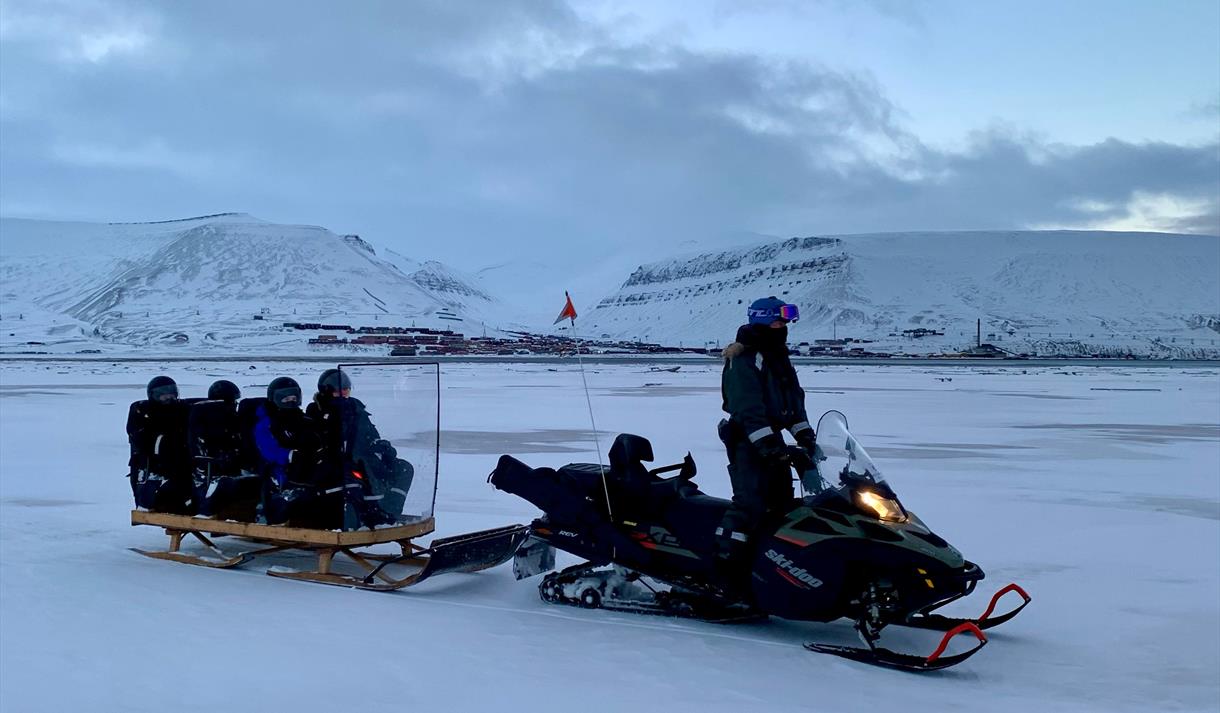
Wind whips across Baikal’s shoreline as travelers speed past ice cliffs and wave-frozen boulders aboard snowmobiles or traditional dog sleds. Along the lake’s edge—particularly near Olkhon Island and Cape Khoboy—these methods of transport combine adrenaline with spectacular scenery. Ice ridges push skyward like frozen waves, while frost-coated trees mark the transitional boundary between land and Siberian expanse.
Dog sledding offers a quieter, more immersive experience. Siberian huskies pull you over hard-packed snow and black ice trails, following age-old migration paths used by local Buryat communities. Mushers guide the teams with precision, and visitors often develop a deep appreciation for the dogs’ strength and synchronicity.
Snowmobiles, on the other hand, cater to those craving speed and control. Guided tours ensure safety and cover greater distances, weaving through ice grottos, shoreline caves, and inland forest tracks. Protective gear is a must—conditions shift rapidly, and icy mist can reduce visibility.
Both modes offer unbeatable access to Baikal’s edge formations, where the lake breathes through fissures and patterns form naturally beneath your path. Whether bonding with huskies or navigating a roaring snow machine, the journey offers unmatched views of Siberia’s frozen frontier.
Icy Shard Field Abstract Compositions

Sprawling like shattered glass across Baikal’s surface, the icy shard fields are a dream for photographers chasing abstract natural patterns. These formations emerge when powerful winds and temperature swings cause ice sheets to fracture and pile in jagged, translucent chaos. Found near areas like Cape Burkhan and Sarma Bay, the shard fields shift and evolve with every cold front, making each visit visually unique.
Against the low sun, sharp edges glint in pastel shades of aqua, lavender, and gold. Textures vary from smooth plateaus to splintered stacks resembling crystal forests. Wide-angle lenses and macro setups alike thrive here, capturing everything from panoramic frost fractures to minute frost blossoms on each shard’s edge.
Though visually captivating, traversing these zones requires caution. Cramp-ons, poles, and guides are crucial—the shards are sharp and unstable in sections. Many opt for drone footage to highlight the field’s expanse safely.
Artists, filmmakers, and even scientists study these formations to understand Baikal’s unique thermodynamic behavior. Their beauty lies in randomness—no two shard clusters repeat. For those seeking nature’s raw geometry, few places in the world offer this blend of chaos, elegance, and ephemeral artistry sculpted entirely from ice and silence.
Great Baikal Trail Ski Route in Winter
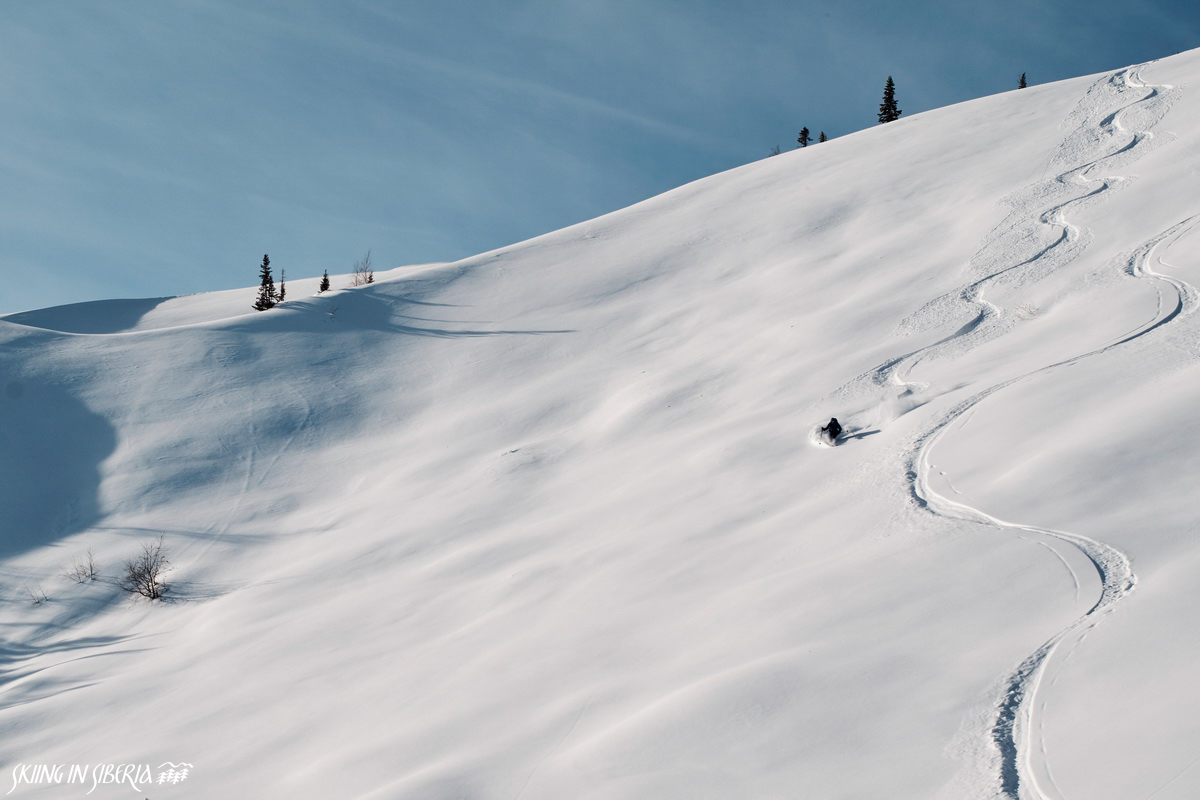
Skiing the Great Baikal Trail during winter offers a silent, snow-laced passage through Siberia’s forested ridges and coastal cliffs. While typically a summer trekking route, sections near Listvyanka, Bolshie Koty, and Buguldeyka transform into narrow ski tracks surrounded by frost-heavy taiga and frozen lake vistas. It’s a peaceful, non-motorized alternative for exploring Baikal’s quieter edge.
Cross-country skiers glide past rock outcrops rimmed with icicles, encounter snow-blanketed valleys, and occasionally glimpse the turquoise lake surface through tree gaps. The trail’s terrain shifts between gentle slopes and more technical climbs, so it’s best suited for intermediate to advanced skiers. Along the way, wooden signs, frozen springs, and rustic shelters offer resting points with panoramic views of the icy expanse below.
Snow cover is typically reliable from late December through early March, but ice cleats and avalanche-aware gear are essential, especially after storms. Independent skiers should consult local trail associations or arrange guide support, as visibility and navigation can be challenging.
Winter on this trail grants solitude rarely found elsewhere on Baikal. It’s not just about skiing—it’s about experiencing the landscape in slow, meditative movement, where each glide reveals another layer of Siberia’s raw, frozen elegance.
Ice‑Yurt Sleepover by Ogoy Island
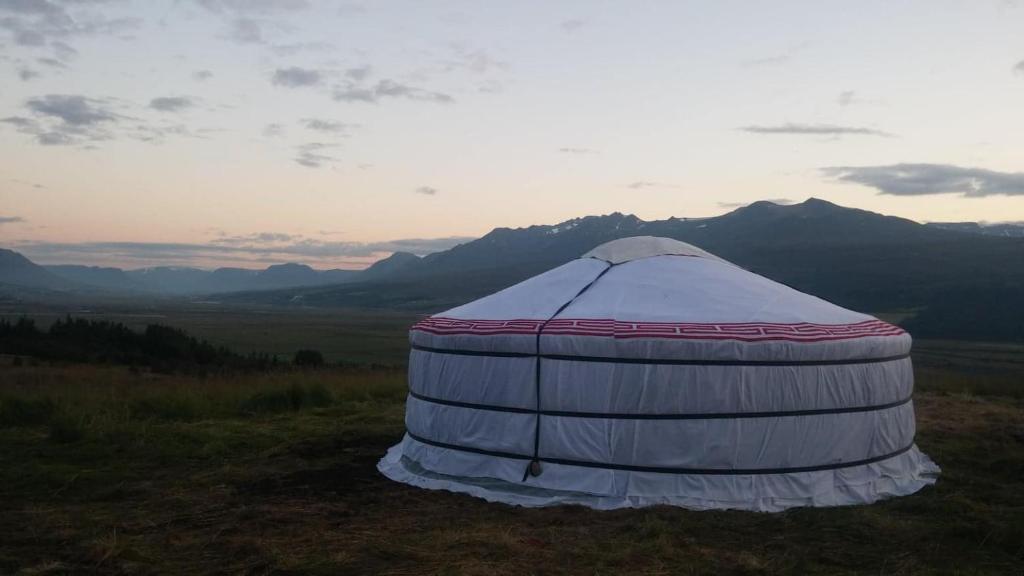
Sleeping on Lake Baikal’s frozen surface, under the Siberian stars, is an experience that straddles adventure and tranquility. Near Ogoy Island, local tour operators set up insulated ice-yurts—traditional-style tents designed to withstand subzero temperatures. These domed shelters sit directly on the lake’s thick ice sheet, offering a surreal overnight stay surrounded by silence, stars, and frost-laced horizons.
Inside, thick felt insulation, wood stoves, and raised cots keep the interior warm and surprisingly cozy. Guests often gather around tea kettles, share local meals, and listen to stories of Baikal’s mythology—especially tales of the Buddhist stupa atop Ogoy Island, visible during daytime hikes.
At night, the ice cracks echo like distant thunder beneath your floor, while outside, the Milky Way spills across the sky with minimal light pollution. Some lucky nights even bring northern lights dancing across the lake’s surface.
This experience isn’t just lodging—it’s immersion. You fall asleep to the groans of a living lake and wake to the endless white of dawn mist rising from the ice. With strict safety protocols and eco-respect in place, ice-yurt stays offer a rare way to connect with Baikal’s raw elements in comfort and awe.
Mandatory Ice‑Safety Briefing & Kit Access

Before venturing onto Baikal’s frozen surface, safety briefings are more than precaution—they’re essential survival knowledge. Every traveler, whether hiking, driving, or photographing on the ice, is advised to undergo a short but thorough orientation covering ice thickness, visual cues, local weather signs, and rescue protocol.
Guides typically explain the difference between black ice (strong and safe) and milky or white ice (weaker and potentially hazardous). They also instruct on identifying active cracks, avoiding spring-fed warm spots, and recognizing pressure ridge zones that can shift without warning.
Standard safety kits often include ice picks, throw ropes, GPS beacons, and waterproof walkie-talkies. In group settings, at least one person carries a rescue sledge and emergency insulation blankets. For those planning to snowmobile or drive across longer distances, tire studs, escape hammers, and floatation vests are non-negotiable.
Local outfitters near Irkutsk and Olkhon provide rental gear and often bundle safety kits with tours. Even seasoned adventurers respect Baikal’s unpredictability. Its sheer scale and shifting conditions require constant awareness. By understanding the risks and equipping properly, visitors ensure not only their own safety but help preserve responsible travel practices on this vast, living ice field.
Golden‑Hour Views from Chersky Rock

As sunrise or sunset casts long shadows over the frozen waters, Chersky Rock offers one of the most dramatic overlooks on Lake Baikal’s southern shore. Accessible via a short but steep winter trail from Listvyanka, the viewpoint rewards early risers or golden-hour seekers with a sweeping panorama of the Angara River source, frozen lake horizons, and pine-draped cliffs.
The rock sits at over 700 meters above sea level and provides an unobstructed line of sight across Baikal’s vast ice sheet. During sunrise, the lake glows in soft blues and silvers, while sunset tints the ice with warm ambers and magentas. Photographers often trek up in predawn dark to catch the changing colors and cloud movements above the snowy landscape.
Steel railings near the cliff edge ensure safe viewing, but ice spikes or snowshoes are recommended for the ascent, especially after fresh snowfall. Benches at the summit offer a quiet place for reflection, tea sipping, or drone flight prep.
This vantage point is more than just a viewpoint—it’s where scale, silence, and Siberian light collide. In winter’s golden moments, the lake appears boundless, alive, and ancient, framed by one of its most iconic and accessible peaks.
Seal‑Sightings Near Ushinsky Isl.

Near the remote Ushinsky Islands in Baikal’s northern waters, winter offers a rare chance to spot the elusive nerpa—Baikal’s endemic freshwater seal. These round-eyed mammals, adapted uniquely to the lake’s cold and pressure, occasionally surface along cracks or rest atop the ice near snow hummocks. Sightings peak in February and March when the seals haul out to sunbathe or scout for breathing holes.
Accessing the area usually involves hovercraft or ice-capable vehicles from Severobaikalsk or Olkhon’s northern tip. Guides trained in seal-spotting use binoculars and follow signs like slide trails or frosted breathing holes. Viewing is done from a respectful distance to avoid disturbing the animals, whose population remains under ecological monitoring.
These plump, grey-furred seals are camera-shy but occasionally curious, peeking above the ice edge before disappearing again. Long lenses and silent observation increase the chance of a memorable photo.
In local culture, nerpa are revered, and their survival is closely tied to Baikal’s ecological health. Witnessing one in the wild—on a frozen sea of silence—is more than a wildlife moment; it’s a testament to the lake’s ability to nurture life in one of Earth’s most extreme, frozen environments.
Olkhon Ice‑Road Driving Texture Shots

Across Olkhon Island’s frozen connection to the mainland, drivers navigate Baikal’s official “ice road”—a government-approved path carved through the snow atop the lake’s winter crust. Far from being just a means of transport, this stretch offers a visual feast of tire-carved textures, fissure patterns, and frost formations worthy of any photography itinerary.
As cars move steadily across the black ice, treads leave behind spirals, streaks, and snowy echoes that contrast against the mirror-like surface. Golden light enhances these textures, making drone captures and overhead shots particularly stunning.
Cracks shimmer in spiderwebs beneath the road, revealing the lake’s layered story—depth, time, and shifting forces trapped in frozen symmetry. The road is marked with pine branches and flags, showing safe corridors where thickness exceeds 30 cm. Daily inspections by local services ensure travelers stay within designated paths.
Stills of lone vehicles traversing this empty landscape have become iconic representations of Baikal’s winter vastness. But beyond aesthetics, driving here connects travelers directly with the lake’s mood—each vibration, each pop under the wheels, reminds you that you’re not on land but moving over a living, breathing sheet of ice.