
High above the Andes, where rain rarely falls and silence stretches for miles, the Atacama Desert offers a celestial show unmatched anywhere on Earth. With zero light pollution and crystal-clear skies, this otherworldly terrain ranks among the best stargazing destinations on the planet. Travelers craving an extraordinary night under the cosmos will find unmatched clarity and cosmic drama here. Whether you’re chasing constellations through high-powered telescopes or marveling at the Milky Way with the naked eye, every gaze upward becomes a moment of awe. This guide uncovers exactly where, when, and how to witness the stars in Earth’s driest desert.
Milky Way Over Valle de la Luna from Dune Ridge

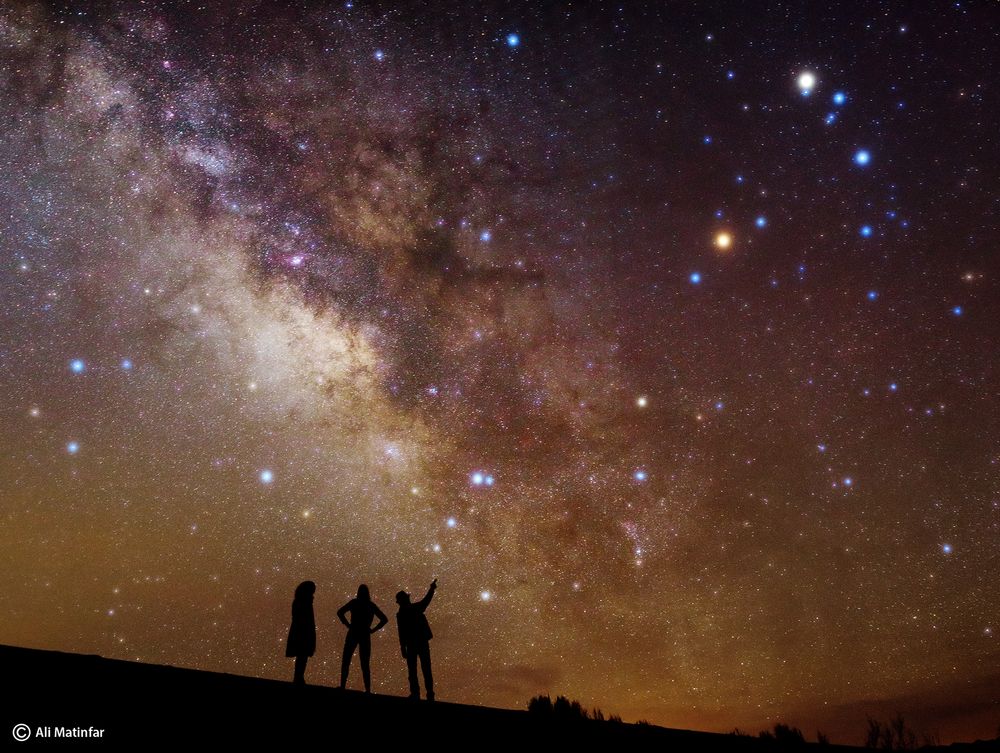
Trekking up the wind-carved dune ridge in Valle de la Luna rewards you with more than just sweeping desert panoramas. Once nightfall blankets the Atacama, this elevated vantage point reveals an unobstructed canvas of stars, perfectly aligned for viewing the Milky Way’s arc across the horizon. The absence of light pollution and high-altitude dryness give the galaxy a vivid, surreal clarity—appearing almost textured. It’s one of the few places where the galactic core seems to float above jagged lunar terrain. As the wind shapes the shifting sands below, camera sensors capture crisp astrophotography with minimal distortion. For those with a DSLR or mirrorless setup, try wide-angle lenses (14–24mm) with 15–20 second exposures at f/2.8. Even phone users can experiment with night modes or attach external lenses for satisfying results. Make the climb 30 minutes before full nightfall to settle in and adjust equipment. Use a red flashlight to preserve night vision, and avoid pointing it at the sky. The temperature drops sharply, so dress in layers. Most importantly, remain still and patient—this stargazing spot rewards those who wait. From here, the Milky Way doesn’t just appear; it seems to pulse above the silent desert landscape in one of Earth’s most otherworldly celestial displays.
Stargazing Bed Setup at San Pedro’s Open-Roof Domes

Tucked near the outskirts of San Pedro de Atacama, open-roof dome lodges offer an unfiltered night sky experience from the warmth of your own bed. These transparent or retractable-roof stays remove barriers between you and the constellations, letting the sky perform overhead as you lie comfortably beneath it. Local accommodations like Domeyko and others often provide thermal bedding, insulated construction, and bedside telescopes for personal use. Smart placement away from central town lights makes these domes ideal for uninterrupted celestial shows, including Saturn’s rings or the southern constellations unique to this hemisphere. Sky visibility peaks between midnight and 3 AM, so consider setting an alarm or dozing in intervals to catch the best views. Some domes feature adjustable skylights to reduce light reflection for photography or long exposure phone shots. Ask about blackout controls inside to keep ambient indoor light from spoiling the clarity. For a bonus, time your stay around meteor showers like the Quadrantids in January or the Geminids in December. It’s an experience that blurs the line between indoors and cosmos—perfect for couples, solo travelers, or sky chasers wanting luxury without missing the magic of Atacama’s famously star-drenched sky.
Self-Guided Telescope Stop Near Laguna Cejar at Moonrise

Out past the shimmering waters of Laguna Cejar lies a quiet pull-off frequently used by amateur astronomers and photographers. This spot combines still salt flats, reflective pools, and vast openness—making it ideal for setting up a self-guided telescope during moonrise. The ground’s flatness ensures stable equipment placement, while the nearby water offers soft foreground reflections for lunar photography. Local vendors sometimes rent telescopes or offer delivery setups if arranged in advance, though many travelers bring portable scopes or binoculars. Be cautious during setup; the wind picks up after dark, so stabilize your tripod using weights or ground stakes. Moonrise over the Salar produces stunning contrasts—pale lunar light illuminating salt crystals while the stars fade slightly behind its glow. Arrive 45 minutes before moonrise to align your equipment and adjust settings accordingly. Use star maps or astronomy apps offline, since cell reception may be patchy in this zone. Avoid turning on bright lights or headlights—any sudden glare can wash out the natural ambiance for others nearby. Whether you’re observing the moon’s craters in sharp relief or scanning for Saturn’s glow, this spot merges science and serenity for a memorable solo stargazing session.
Star Trail Photo Spot Near Piedra del Coyote Cliff

High above the winding roads near Piedra del Coyote, a gravel turnout marks one of the most iconic vantage points in northern Chile for capturing circular star trails. The elevation provides sweeping exposure to uninterrupted southern skies—ideal for photographers seeking long-exposure rotational effects with the Southern Cross or Polaris equivalents. Unlike standard stargazing where one observes passively, this location invites you to participate by painting the sky over time. Point your camera due south with a stable tripod, setting shutter intervals via remote trigger or time-lapse mode. For entry-level DSLRs or mirrorless setups, aim for 20–30 second exposures stacked over 1–2 hours for effective trails. It’s best to shoot on moonless nights to preserve sky darkness and trail clarity. Warm layers, thermoses, and red-filter flashlights go a long way in making the hours fly by comfortably. As a bonus, cliffs and canyon shadows create striking silhouettes that contrast with the spiral light patterns above. This isn’t a crowded area after dark, so quiet solitude comes standard. When the final composite image comes together, the result isn’t just a photo—it’s a layered chronicle of Atacama’s rotation and celestial rhythm, frozen in time over one of its most dramatic landscapes.
Midnight Mars-Look Sandwalk with Phone Astro Apps

Traversing the rust-colored dunes near the Valle de la Muerte under midnight starlight delivers an experience akin to walking across Mars. The dry terrain, rippled sand textures, and eerie silence transform into a surreal environment when guided by the glow of constellations and the faint hum of your astronomy app. Tools like Stellarium or Sky Guide help orient celestial bodies, making the experience both interactive and educational. Many visitors choose to roam short circuits starting from the dunes just beyond town, following natural ridgelines under red-filtered flashlights. Sand here retains warmth from the day, so walking barefoot is possible in early nighttime hours. Noise is minimal, allowing sounds like shifting grains or distant wildlife to heighten the atmosphere. Point your phone camera at the sky using long-exposure apps to capture basic star fields or meteor streaks during showers. While professional equipment excels in this setting, even smartphones surprise in low light when paired with tripods or handheld stabilizers. This isn’t a tour—it’s personal exploration. No fences, no noise—just you, the terrain, and the stars. By the end, the footprints you leave behind feel like they belong on another planet entirely.
Private Stargazing Picnic Kit from Local Café Rental

Several cafes in San Pedro now offer curated stargazing picnic kits—an easy, romantic way to enjoy Atacama’s night skies without bulky gear. These locally crafted kits typically include insulated blankets, thermoses of herbal tea or cocoa, finger foods, and sometimes binoculars or beginner-friendly telescopes. Some even provide portable star charts or QR codes linking to real-time sky maps. Popular pick-up points include cafés just beyond the town’s light ring, allowing for immediate access to darker sky spots. Travelers often head to quiet, elevated pull-offs west of the village where there’s minimal foot traffic and no commercial glare. Setting up just before astronomical twilight ensures you catch the full transition from color-rich sunset to star-saturated sky. For added ambiance, some kits include lanterns with red film to preserve night vision while offering a cozy glow. The key is to coordinate your kit rental with moon phases—near-new moon nights offer the clearest star views. While Atacama is full of advanced observatories, this approach turns sky-watching into an intimate, accessible event. With the desert breeze, distant volcano silhouettes, and complete silence all around, the experience becomes less about chasing perfect photos and more about slowing down to share the stars with someone—or even just yourself.
Avoid Light-Pollution Pockets With Highway 23 Pull-Offs

Most visitors underestimate how even small towns like San Pedro can wash out Atacama’s brilliance when viewed from the wrong angle. That’s why strategic pull-offs along Route 23 toward Toconao remain a favorite among seasoned stargazers. Just a 10–15 minute drive out of town, these gravel lay-bys allow for open-sky viewing without interference from streetlights, passing traffic, or lodge glow. Pull over near kilometer markers 14–18, where elevation gains improve sky clarity and the terrain opens toward vast plateaus. On moonless nights, it’s easy to spot the Magellanic Clouds, planetary alignments, and even occasional auroras in the southern arc. The road remains accessible year-round, though it’s wise to check weather and dress for sudden cold gusts. Keep your car headlights off once parked, and use a dim red torch to orient your equipment. Some stargazers bring car-mounted telescopes or simply recline in camp chairs with blankets, scanning for meteors or satellites. These pull-offs aren’t marked as official stops, which means more privacy and fewer crowds. Whether you’re photographing the galactic bulge or just lying back with binoculars, the lack of artificial glow turns this stretch of desert highway into one of the region’s most underrated stargazing corridors.
Early Sunset Color Pop Before Astro Begins at Cordillera de la Sal

Twilight in the Cordillera de la Sal delivers a color show that rivals any night sky event. Before stars even appear, the ridges of this salt-crusted mountain range catch the dying sunlight and shift through gradients of lavender, gold, and crimson. Arriving at least an hour before full darkness lets you absorb these surreal visuals—and set up gear before temperatures plunge. Photographers often perch on natural rock outcrops, framing the range against the deepening hues. The lack of tall vegetation means uninterrupted visibility of both terrain and sky. Once the sun dips below the horizon, the layered backdrop becomes ideal for shooting constellations and planetary conjunctions. This time window—astronomical dusk—is perfect for catching both terrestrial and celestial beauty in the same frame. For phone photographers, use manual camera settings or night apps that can lock exposure and ISO. Bring a stabilizer or small tripod for best results. After full night sets in, Cordillera de la Sal transitions into one of the darkest zones accessible without a long drive. The combination of colorful landforms and ink-black sky makes this a must-stop location for those who want their stargazing to begin long before the stars appear.
Astrophotography Hacks at Handcrafted Adobe Lodges

Many adobe-style lodges in San Pedro de Atacama are unintentionally perfect for beginner astrophotography—thanks to traditional designs that naturally block ambient light. Thick earth-toned walls, open courtyards, and elevated platforms create built-in dark zones ideal for night shooting. Roof terraces often have no glare, making them useful for wide-angle shots of the Milky Way, especially during moonless phases. To maximize results, guests should avoid room-side lights and use blackout curtains indoors to prevent internal glow from spilling out. Using a WiFi-connected camera or long exposure app allows remote triggering to reduce camera shake. Even older phones can capture constellations using night modes if placed against adobe walls for steadying. Bonus tip: place a towel over railings to cushion your phone while angling upward. If shooting from a tripod, use the wall shadow to block wind. Ask lodge staff if rooftop access is allowed after hours—many are happy to oblige if notified early. These clay-formed buildings don’t just offer charm—they serve as functional tools for learning the basics of night sky capture. For anyone new to astrophotography or traveling without high-end gear, staying at one of these traditional lodges can elevate both your comfort and your image quality.
Free Entry Night Sky Watch with Local Astronomy Club
San Pedro’s grassroots astronomy groups frequently host open night sky sessions that require no tickets, no gear, and no prior knowledge. These casual gatherings usually take place on the outskirts of town or near familiar landmarks like Pukará de Quitor, away from light interference. Led by volunteers, the events mix stargazing with brief educational talks about constellations, planets, and Andean cosmology. Telescopes are often set up for shared viewing, allowing guests to see details like Saturn’s rings or Jupiter’s moons through a guided lens. The atmosphere is inclusive—families, backpackers, and seasoned hobbyists all find something to enjoy. Updates are typically shared on local bulletin boards or tourism center whiteboards, so check in town earlier in the day. Bring a thermos, layers, and something to sit on—these sessions can last up to two hours depending on the crowd and conditions. Red light torches are encouraged to preserve visibility. For those curious but unsure where to begin, this offers a pressure-free way to experience Atacama’s cosmic theater. The experience isn’t commercialized or rushed—it’s about communal awe under a sky so vivid it barely feels real. More than just an event, it becomes a memory shared in quiet wonder.
Alien-Like Rock Formations Silhouetted by Star Fields

Twisted formations in the Valle de la Luna and beyond offer silhouettes so bizarre they appear sculpted for extraterrestrial film sets. As night descends, these jagged outcrops turn into black cutouts against a sky brimming with stars. Photographers and casual stargazers alike position themselves at low angles to contrast the chaotic terrain with orderly constellations. The contrast makes for dramatic compositions—Aries rising behind pointed spires or the Southern Cross piercing through arched stone windows. Some formations near Tres Marias and Kari Viewpoint are particularly suited for this, sitting far from road glare or building lights. Long exposure photos with minimal ISO can render star fields without overexposing the land shapes. For a visual boost, try light painting the rocks with a red or low-lumen warm light for definition without ruining sky visibility. Wear stable shoes—many of these spots require light scrambling or navigating salt-crusted paths. The effect is otherworldly yet entirely natural, as if the Earth itself staged a visual trick to rival any science fiction scene. It’s one of Atacama’s most surreal contrasts: lifeless rocks below, eternal stars above—coexisting in absolute silence and impossible beauty.
Full Moon vs. No Moon Experience Swap at High Plateau Camps

Moon phase timing dramatically shapes the kind of stargazing you’ll experience across Atacama’s high plateau camps. During a full moon, the landscape becomes ethereal—glowing white under lunar light, with salt flats, rock walls, and ridges cast in soft detail. While the brightest stars and planets remain visible, the Milky Way fades into near invisibility. This makes full moon nights ideal for night hikes, moody photography, or silhouette portraits against a glowing desert. In contrast, no moon—or new moon—conditions turn these same camps into pure black domes, with stars bursting in density. Every corner of the sky teems with detail: star clusters, nebulae, and faint galaxies visible to the naked eye. Camps like those near Altiplanic Lagoons or high-altitude geyser basins offer prime access to this sky theater without needing long drives. Plan your visit around your preference—whether it’s dramatic terrain illuminated under moonlight, or full-throttle stargazing with zero atmospheric interference. Some camps even offer guided night tours based on lunar calendars. Don’t assume one is better than the other—they’re entirely different experiences. One makes the land glow like a dream; the other floods your vision with the cosmos. With proper planning, you can experience both sides of Atacama’s night world.