
Australia’s most famous coastal drive rewards careful planning, especially with limited time. This guide outlines a smart two-day Great Ocean Road itinerary that balances iconic landmarks with lesser-known viewpoints, reducing backtracking and crowd pressure. Readers gain clarity on must-see stops, realistic driving times, sunrise and sunset advantages, and seasonal conditions that affect visibility and safety. Practical tips cover parking, short walks, wildlife spotting, and fuel breaks, helping maximize every hour. Ideal for first-time visitors and repeat road-trippers alike, the approach prioritizes efficiency without sacrificing scenery, ensuring dramatic cliffs, ocean stacks, and rainforest sections fit seamlessly into a memorable, stress-free journey.
Torquay Coastal Headlands & Sunrise Lookouts

Morning light reveals why this seaside town marks the emotional starting point of the Great Ocean Road. Clifftop headlands around Torquay offer wide Pacific views, with soft color shifts that turn the coastline into a calm, cinematic scene. Sunrise walkers often follow short coastal tracks where waves roll in below sculpted rock shelves, making this stop ideal for easing into a two-day drive. The elevated lookouts provide clear vantage points without demanding long hikes, which suits tight itineraries. Early hours bring fewer crowds, gentle winds, and uninterrupted ocean sounds that define the area’s relaxed energy. Local cafés open early, making it easy to pair a coastal walk with breakfast before driving onward. These headlands also highlight the region’s transition from urban Melbourne to raw coastal terrain. Clear signage and safe viewing platforms allow relaxed exploration while maintaining strong safety standards. For photographers, soft dawn light minimizes glare while enhancing ocean texture. Torquay’s coastal edge sets a balanced pace for the journey ahead, grounding travelers in the rhythm of the Southern Ocean before the road curves westward into more dramatic scenery.
Bells Beach Clifftop Walk & Surf Culture Moments

High above powerful reef breaks, this rugged stretch showcases Australia’s most iconic surf coastline. The clifftop path at Bells Beach follows uneven sandstone edges where the Southern Ocean crashes with unmistakable force. World-class waves roll in consistently, making the lookout a magnet for watching skilled surfers navigate long, clean lines. Informational signs explain the area’s surf heritage, adding cultural context beyond the scenery. The walk itself remains manageable, with compact sections suitable for short stops during a packed two-day plan. Wind exposure can be strong, yet clear days reward visitors with expansive coastal horizons and dramatic water movement below. Bells Beach also represents a shift in mood along the Great Ocean Road, moving from calm coastal charm to raw marine energy. Viewing platforms keep visitors safe while preserving uninterrupted sightlines. Even brief visits feel meaningful due to the sensory intensity of sound, motion, and scale. This stop works well mid-morning when light highlights wave patterns and cliff textures. Bells Beach leaves a lasting impression without requiring extended time, making it a strategic and visually powerful pause early in the journey.
Anglesea Riverfront Trails & Roo Viewing Spots
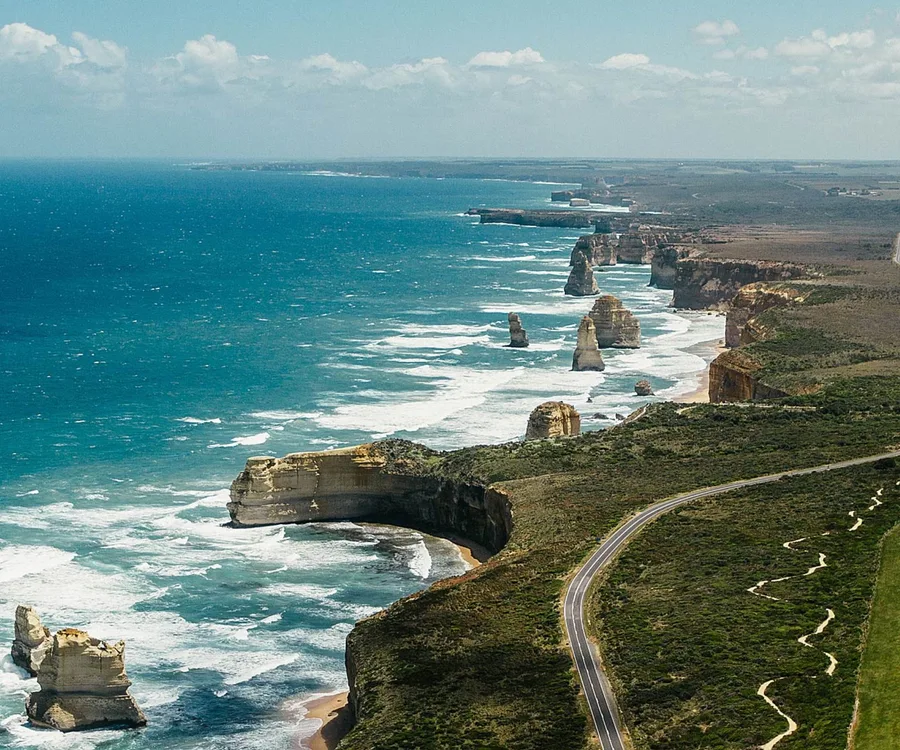
Calm landscapes replace crashing surf as the road reaches a quiet river town surrounded by native bushland. Anglesea’s riverfront paths wind gently along water edges where eucalyptus trees attract local wildlife. Eastern grey kangaroos often graze nearby, especially during early morning and late afternoon, creating reliable viewing opportunities without detours. The flat trails suit relaxed walks, making this stop ideal for stretching legs between coastal drives. Shaded picnic areas line the riverbank, offering peaceful breaks that contrast with cliff-heavy viewpoints earlier on the route. Families and slower travelers appreciate the accessibility and safety of these paths. The river itself reflects changing skies, adding subtle beauty without dramatic effort. Local signage encourages responsible wildlife observation, reinforcing ethical travel habits. Anglesea’s setting highlights the region’s ecological diversity, blending forest, river, and coastal systems in one location. Cafés and rest facilities sit nearby, helping travelers refuel efficiently. This stop provides balance, grounding the journey with quiet nature moments before returning to ocean-facing scenery. Anglesea’s gentle pace fits perfectly into a two-day Great Ocean Road plan without consuming valuable driving time.
Lorne Pier & Swing Bridge Beach Path

Curving gently along the shoreline, this coastal stretch offers relaxed exploration paired with classic seaside charm. Lorne’s pier extends into clear waters, giving visitors a simple way to experience ocean views without elevation or effort. Nearby, the Swing Bridge Beach path follows a sheltered coastline backed by lush hills, creating a softer contrast to exposed clifftops elsewhere. Calm water conditions often allow safe paddling, while walkers enjoy uninterrupted views of Louttit Bay. The town’s compact layout keeps everything within walking distance, ideal for short but satisfying stops. Cafés, public facilities, and shaded seating enhance comfort during busy travel days. This area works well as a midday pause, offering gentle scenery without demanding energy. The surrounding forested slopes hint at waterfalls inland, adding depth to the experience. Clean paths and clear signage make navigation simple for first-time visitors. Lorne balances natural beauty with convenience, ensuring travelers stay refreshed rather than rushed. Within a two-day itinerary, this stop supports pacing while still delivering memorable coastal moments.
Erskine Falls Forest Escape Near Lorne

Dense fern gullies signal a shift away from open coastlines as the road leads briefly inland. Erskine Falls drops through a rainforest setting where tall trees filter light into cool, misty layers. A short drive from Lorne brings access to viewing platforms that overlook the cascading water without extensive hiking. For those with time, a stepped trail descends closer to the base, offering immersive forest sounds and earthy scents. The falls flow year-round, making this stop reliable regardless of season. Cooler temperatures provide welcome relief during warmer travel months. Birdlife and thick vegetation reinforce the region’s biodiversity beyond its famous cliffs. Well-maintained paths ensure safety while preserving the natural environment. This stop adds variety to a two-day route, preventing visual fatigue from constant ocean views. Clear information boards outline ecological importance, adding educational value. Even brief visits feel restorative, creating contrast before returning to the coast. Erskine Falls delivers depth and balance, enhancing the overall journey rather than extending it unnecessarily.
Kennett River Koala Spotting & Seaside Bushwalk

Tree canopies along this coastal settlement create one of the most reliable wildlife stops on the route. Kennett River’s eucalyptus corridors support a healthy koala population, often visible resting high above roadside paths. Short bushwalks near the settlement increase chances of sightings without demanding long treks. The nearby ocean adds scenic value, blending wildlife observation with coastal views. Travelers often pause briefly, making this stop efficient within a tight schedule. Local volunteers sometimes share spotting tips, enhancing success rates respectfully. Clear signage encourages quiet observation to protect animals. The surrounding forest also hosts colorful bird species, adding movement and sound to the experience. This area highlights how close natural habitats remain to the roadway. Pull-off areas and short loops make navigation straightforward. Kennett River suits mid-afternoon timing when koalas remain visible and lighting improves photography. As part of a two-day Great Ocean Road plan, this stop delivers a meaningful wildlife encounter without detours, enriching the journey through authentic, low-impact experiences.
Apollo Bay Harbourfront & Foreshore Picnic Zone
Wide coastal curves open into a relaxed seaside town framed by rolling hills and calm waters. Apollo Bay’s harbourfront offers flat walking paths, grassy picnic areas, and unobstructed ocean views ideal for unhurried breaks. Fishing boats and gentle swells create a slower rhythm compared to exposed cliff zones. The foreshore suits lunch stops, with nearby shops providing takeaway options. Clean facilities and shaded seating support longer pauses without pressure. This location works well as a strategic overnight base or extended rest during a two-day itinerary. The surrounding Otways rise behind the town, hinting at forest adventures nearby. Clear weather reveals long shoreline views that stretch toward distant headlands. Evenings bring soft light and peaceful atmospheres, perfect for decompressing after driving. Apollo Bay balances accessibility with natural appeal, keeping travelers comfortable without sacrificing scenery. Its central position along the route makes it a natural reset point before tackling the most dramatic coastal sections ahead.
Cape Otway Lightstation & Wind-Swept Clifftops
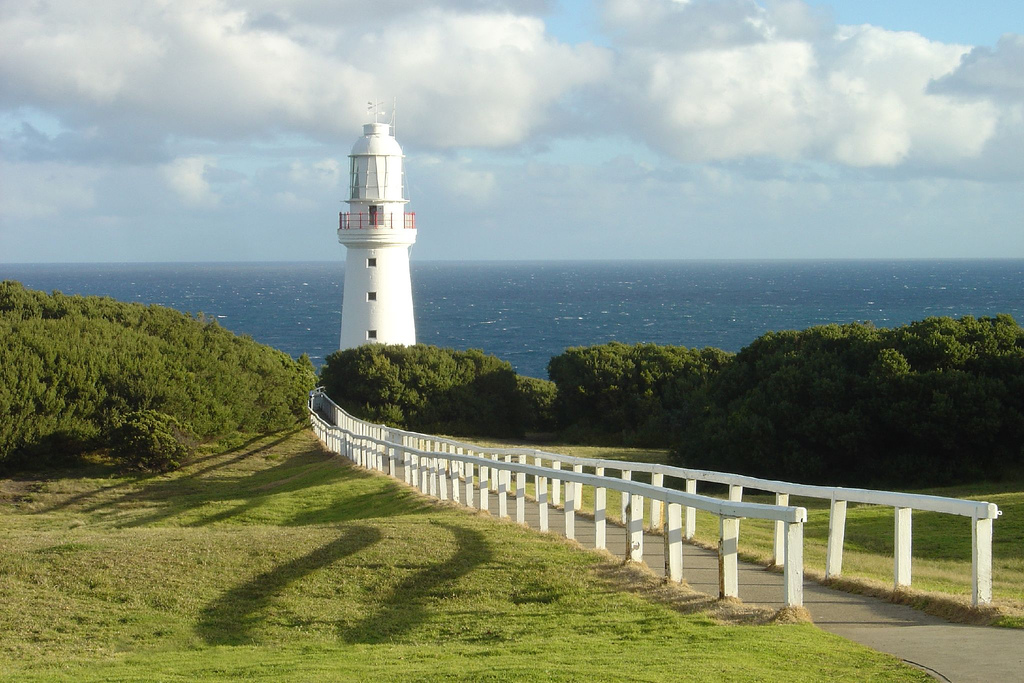
Rugged terrain dominates as the road approaches one of mainland Australia’s oldest working lighthouses. The Cape Otway Lightstation sits high above powerful seas, offering panoramic views where land meets relentless ocean energy. Surrounding clifftop paths expose visitors to strong winds and expansive skies, reinforcing the area’s remote character. Interpretive displays explain maritime history, grounding the dramatic scenery in real stories of navigation and survival. The site requires a modest time commitment, yet rewards visitors with some of the region’s most expansive viewpoints. Clear days reveal endless horizons, while cloudier conditions enhance mood and atmosphere. Safety barriers and maintained tracks allow confident exploration. This stop marks a transition from forested interiors back to exposed coastline. Due to its distance from towns, planning ahead ensures smooth timing within a two-day plan. Cape Otway delivers scale, history, and raw beauty in one location, making it a defining highlight rather than a casual stop.
Gibson Steps Beach Walk Under Towering Cliffs
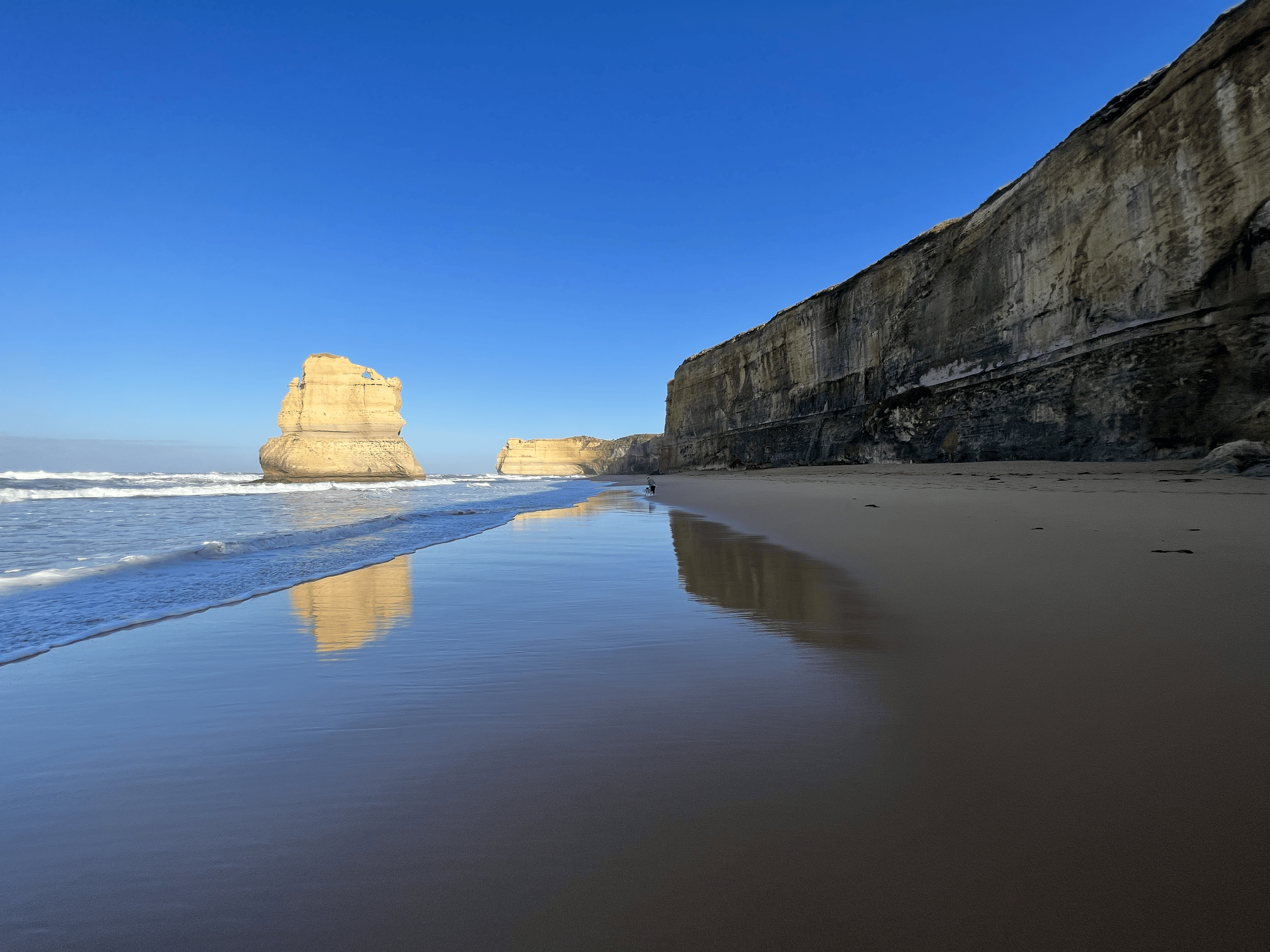
Descending from cliff level to shoreline height shifts perspective dramatically at this coastal access point. Gibson Steps lead travelers down to a wide beach framed by towering limestone walls that rise sharply from the sand. From below, the scale of the coast becomes unmistakable, with waves echoing against sheer rock faces. The steps themselves are steep yet manageable, requiring awareness of tides and conditions. Early or late visits reduce crowding and enhance safety. Standing at beach level reveals textured cliff layers shaped by centuries of erosion. This stop encourages short exploration rather than long walks, fitting well into a packed schedule. Clear signage outlines safe access times. The experience complements higher viewing platforms elsewhere, providing contrast and depth. Weather conditions affect accessibility, so flexibility matters. Gibson Steps offer one of the most immersive coastal moments along the route, grounding the journey in scale and sensory detail without excessive time investment.
Twelve Apostles Golden-Hour Viewing Platforms
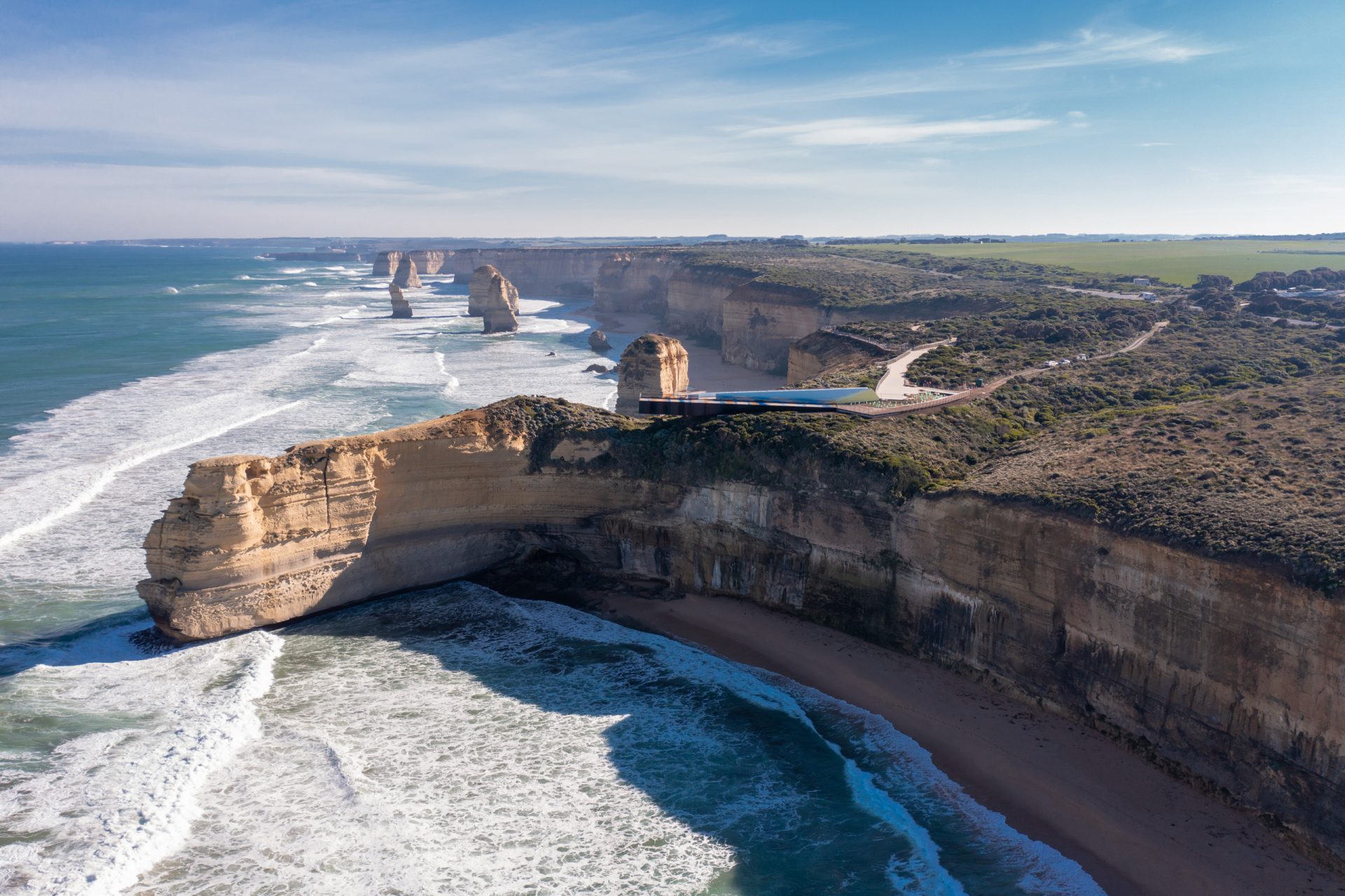
Few coastal landmarks command attention like these limestone stacks rising offshore. Purpose-built viewing platforms allow safe access to sweeping panoramas without disturbing fragile terrain. Light conditions transform the scene throughout the day, with late afternoon casting warm tones across rock faces and water. Elevated paths provide multiple angles, helping visitors appreciate scale and formation without strenuous walking. Clear safety railings maintain comfort while preserving uninterrupted views. Parking facilities streamline access during busy periods. This stop benefits from patience, as changing light reveals shifting colors and shadows. Even brief visits feel significant due to the site’s visual impact. Strong coastal winds are common, so layered clothing improves comfort. The Twelve Apostles represent a defining image of the Great Ocean Road and deserve dedicated time within a two-day itinerary. Their accessibility and dramatic presence ensure a rewarding experience regardless of travel pace.
Loch Ard Gorge Coves & Hidden Pathways

London Arch & Swell-Watch Lookout
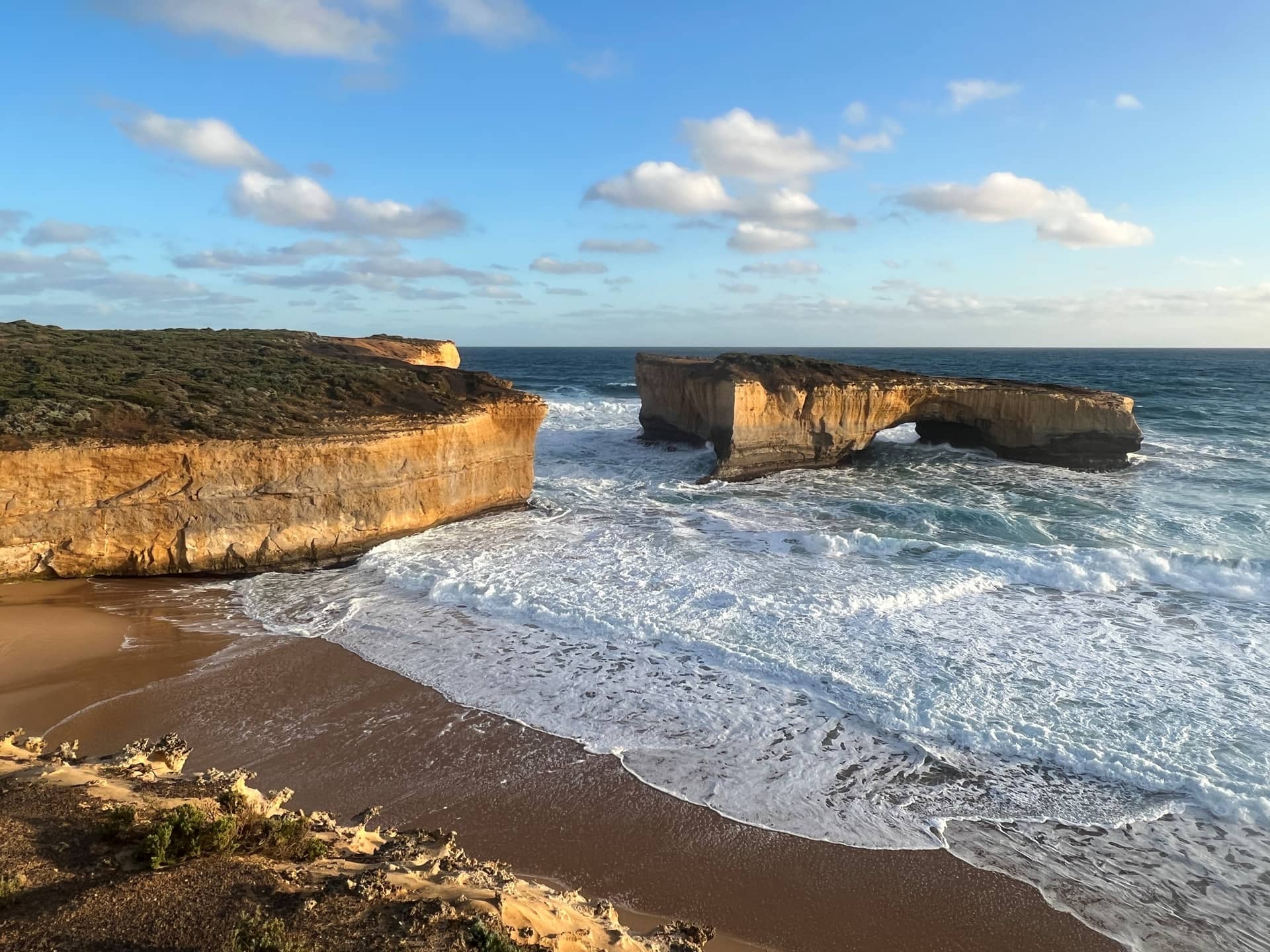
Separated rock formations dominate this exposed viewpoint, where waves funnel through carved stone arches below. The London Arch area showcases the coastline’s constant transformation through erosion. Elevated platforms allow visitors to observe ocean movement safely, highlighting the power shaping these structures. Clear weather reveals turquoise water surging against pale limestone, while rough conditions amplify drama. The walkways remain short and direct, making this stop efficient. Interpretive panels explain geological changes, reinforcing appreciation without overwhelming detail. Wind exposure is common, so visits feel energizing rather than restful. This location works well as a brief visual stop between longer walks. Its distinct formation ensures it feels separate from other limestone sites nearby. London Arch emphasizes motion and change, rounding out the Great Ocean Road experience with a reminder of nature’s ongoing impact.