
Echoes of history line the shelves of some of Britain’s most remarkable reading spaces, where architecture, scholarship, and quiet wonder converge. Across the UK, libraries serve not only as centers of knowledge but also as cultural landmarks shaped by medieval scriptoria, Victorian design, and modern innovation. These places matter to travelers, students, writers, and photographers alike, offering rare access to ancient manuscripts, breathtaking interiors, and peaceful study environments. From university libraries steeped in tradition to bold contemporary public spaces, each location tells a unique story. This guide highlights the most stunning and unique libraries in the UK, revealing why they remain enduring symbols of learning, beauty, and intellectual heritage.
Bodleian Old Library, Oxford

Centuries of scholarship echo through the stone corridors of Oxford’s most legendary reading space. Founded in 1602, this historic institution ranks among the oldest libraries in Europe and remains a symbol of academic excellence worldwide. More than 13 million printed items rest within its walls, along with rare manuscripts, medieval texts, and early printed books that trace the evolution of knowledge. The Divinity School’s vaulted ceiling, intricate stone carvings, and dim wooden stacks create an atmosphere that feels untouched by time. Legal deposit status ensures that a copy of every book published in the UK eventually reaches its shelves, continuously expanding its intellectual reach. Students, researchers, and visitors from across the globe pass through its doors for both study and inspiration. Beyond literature, the building itself stands as a masterpiece of Gothic architecture, seamlessly blending medieval craftsmanship with scholarly purpose. The surrounding Radcliffe Camera and Old Schools Quadrangle enhance its visual identity, making the setting as memorable as its contents. Academic heritage, architectural grandeur, and enduring relevance combine here to form one of the most revered learning landmarks in the world.
John Rylands Library, Manchester

Towering Gothic arches introduce visitors to one of the most visually striking intellectual landmarks in northern England. Opened in 1900, this neo-Gothic masterpiece was commissioned as a memorial and now serves as both a major research center and public library. Its vaulted reading room, stained-glass windows, and carved stone pillars resemble a grand cathedral devoted entirely to knowledge. More than five million items reside inside, including medieval manuscripts, rare books, and one of the oldest known fragments of the New Testament. Scholars worldwide regard its special collections as vital resources for theology, literature, and early printing history. Modern technology blends seamlessly with its historic fabric, allowing preservation and accessibility to exist side by side. Rotating exhibitions regularly highlight significant texts, handwriting traditions, and cultural milestones. The building’s riverside placement adds further charm, offering a dramatic contrast between industrial Manchester and refined scholarship. This powerful mix of architecture, heritage, and academic importance makes it a cultural anchor for the city and a destination admired well beyond the academic world.
Liverpool Central Library, Liverpool
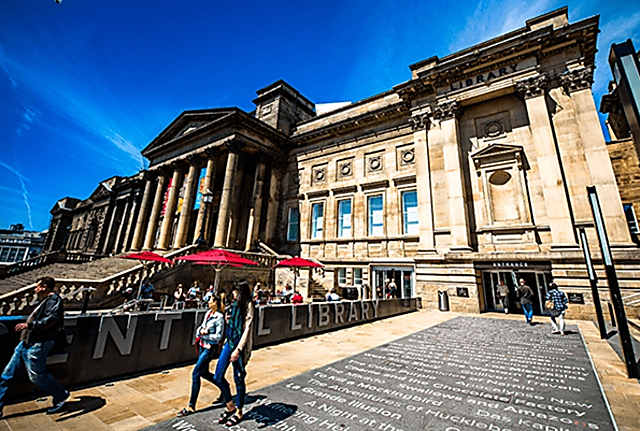
Innovation and heritage meet gracefully within Liverpool’s most celebrated civic learning space. Reopened after a major transformation in 2013, this library blends cutting-edge design with restored historic interiors. The rooftop terrace offers panoramic city views, while the interior showcases the famous Hornby Library, featuring original woodwork, rare collections, and an atmosphere of quiet elegance. Public access remains central to its mission, welcoming learners of all ages into reading rooms, digital hubs, and community spaces. Archives documenting Liverpool’s maritime history and industrial past provide researchers with invaluable insight into the city’s development. Technology stations, family learning zones, and cultural event spaces reflect how modern libraries now serve as social and educational anchors. The curved glass structure surrounding the restored Picton Reading Room symbolizes the bridge between past and present. Free access, expert-curated collections, and beautifully preserved architecture create a space that supports lifelong learning while honoring tradition. For locals and travelers alike, this library represents civic pride powered by knowledge.
Chetham’s Library, Manchester

Quietly hidden within sandstone buildings near Manchester Cathedral stands a reading room that predates the modern public library. Established in 1653, this institution holds the title of the oldest free public reference library in the English-speaking world. Long oak tables, chained books, and leaded windows preserve its original character, offering visitors an authentic glimpse into early academic life. Marx and Engels once studied at these desks while shaping theories that transformed global politics. The collection specializes in theology, history, and literature, with thousands of rare volumes still actively consulted today. Guided visits allow guests to explore medieval architecture curated specifically for scholarly pursuit. The atmosphere remains one of deep concentration, where whispering pages replace digital noise. Its proximity to the rivers Irwell and Irk adds an unexpected natural serenity to the urban setting. Far removed from modern library aesthetics, this living archive continues to serve historians, writers, and researchers seeking connection to intellectual traditions that shaped modern society.
Library of Birmingham, Birmingham
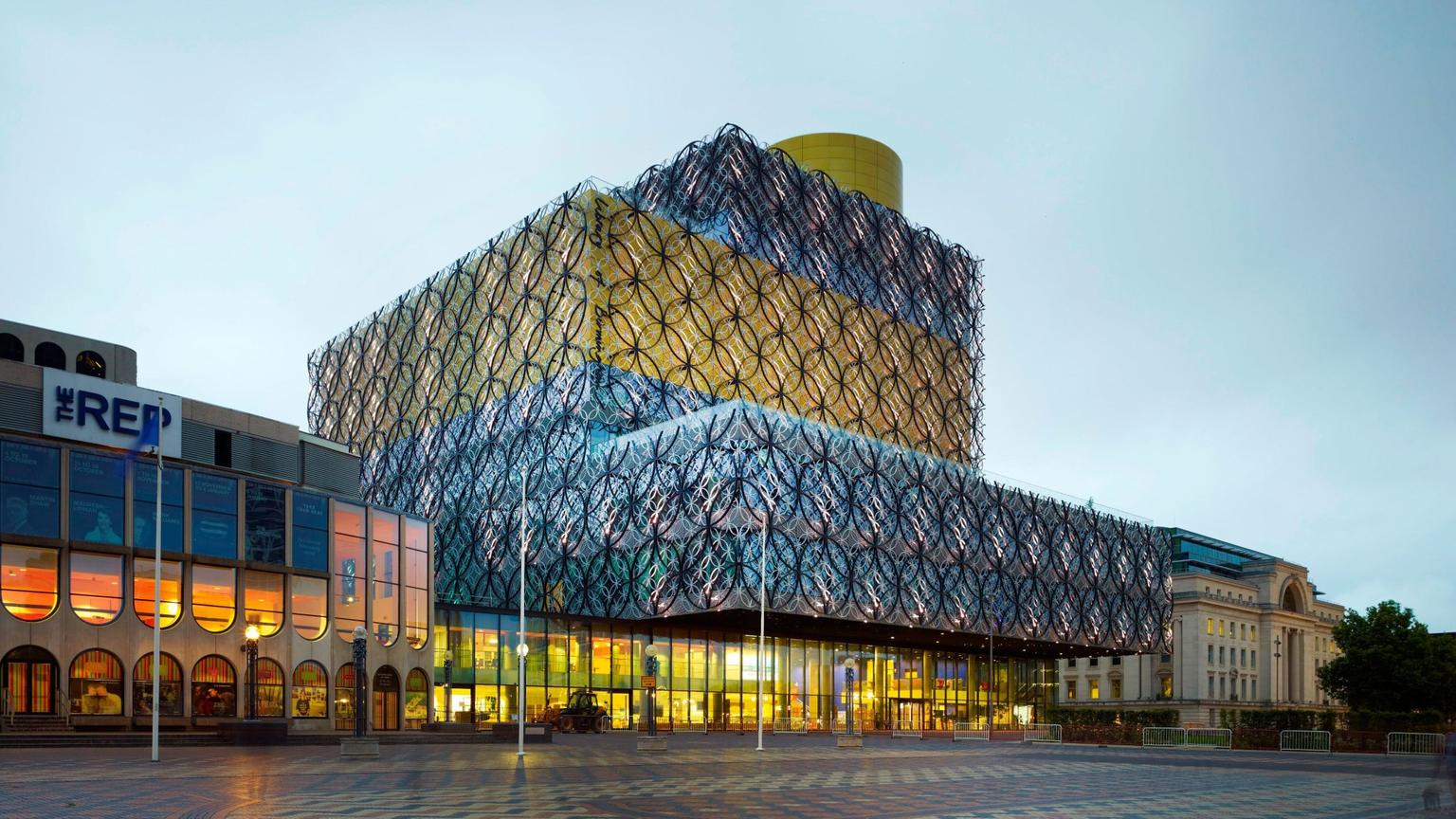
Modern geometry and public learning unite within Europe’s largest civic library. Opened in 2013, this landmark structure redefined how urban libraries function in the digital age. Its tiered circular metal façade reflects light across the surrounding square, creating a bold architectural identity instantly recognizable across the city skyline. Inside, visitors find one of the most comprehensive Shakespeare collections in the world, alongside archives documenting Birmingham’s industrial, musical, and social history. Open terraces, quiet study floors, performance spaces, and family zones ensure that all generations feel welcome. Natural light floods the interior through layered glass panels, enhancing focus and accessibility. Archives previously hidden in closed facilities now remain accessible to the public through guided research services. This library stands not only as a place to read, but as a civic gathering point for performances, exhibitions, debates, and lifelong learning. Its combination of design innovation and public engagement demonstrates how libraries now serve as cultural engines rather than silent vaults of books.
The Portico Library, Manchester
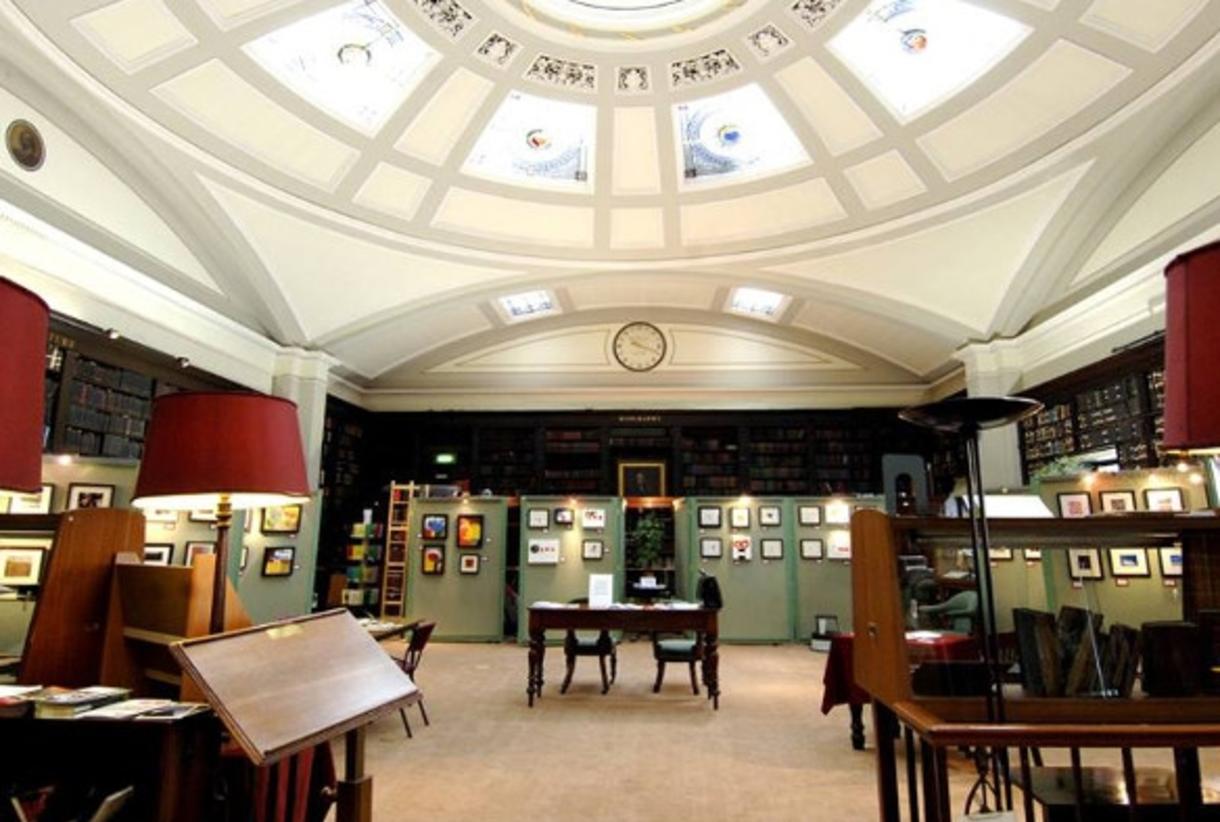
Classical elegance defines this private subscription library that has quietly served Manchester’s thinkers since 1806. Tucked away near Mosley Street, the interior reveals a light-filled circular gallery supported by Ionic columns and lined with historic volumes. Founded as a gentlemen’s reading room, it still operates as an independent library supporting literature, history, and philosophy. Members gain access to rare Georgian and Victorian texts that chart political thought, urban development, and literary movements. Public events, lectures, and exhibitions now broaden its cultural reach well beyond its original audience. The building’s restrained elegance offers a striking contrast to Manchester’s surrounding commercial architecture. Carefully preserved shelving, original staircases, and antique reading desks reinforce the sense of continuity. This library’s enduring independence represents a quieter side of intellectual life, one where community participation and private scholarship coexist. Its role today extends beyond storage of books into nurturing serious discussion and literary culture within the city.
Sir Duncan Rice Library, Aberdeen

Striking curves of glass and steel rise above the Aberdeen skyline, signaling a bold new era of academic architecture. Opened in 2011, this modern university library serves as the flagship knowledge center for the city and surrounding region. Eight floors of study space provide access to over one million physical volumes alongside expansive digital research resources. Floor-to-ceiling windows flood the interior with daylight while offering sweeping views of the North Sea and historic cityscape. Advanced climate-controlled archival rooms protect rare manuscripts and special collections from environmental damage. Collaborative study zones, silent floors, and multimedia labs reflect modern learning behaviors shaped by technology. Sustainability remains integral to its design, with energy-efficient systems supporting long-term environmental responsibility. Beyond its academic function, the building has become a symbol of progress for the university and city alike. Its forward-thinking structure reshapes expectations of what contemporary research libraries should represent.
Gladstone’s Library, Flintshire/Wales

Stone buildings surrounded by gardens frame the UK’s only residential library, offering an immersive retreat for readers and writers. Founded by former Prime Minister William Gladstone, this institution blends scholarship with quiet hospitality. Visitors may stay overnight in on-site accommodation while accessing more than 250,000 volumes spanning theology, history, politics, and literature. Individual study carrels allow uninterrupted reading sessions, while communal dining encourages scholarly exchange. Unlike traditional public libraries, this space creates an environment devoted entirely to reflection, writing, and focused intellectual work. Regular lectures and workshops reinforce its role as a living academic community rather than a static book collection. The surrounding Welsh countryside enhances the sense of retreat, free from urban distraction. This rare combination of residence and research makes it especially appealing to authors, academics, and lifelong learners seeking uninterrupted time with books. Its original mission of education without barriers remains carefully preserved through public access and affordable stays.
Linen Hall Library, Belfast
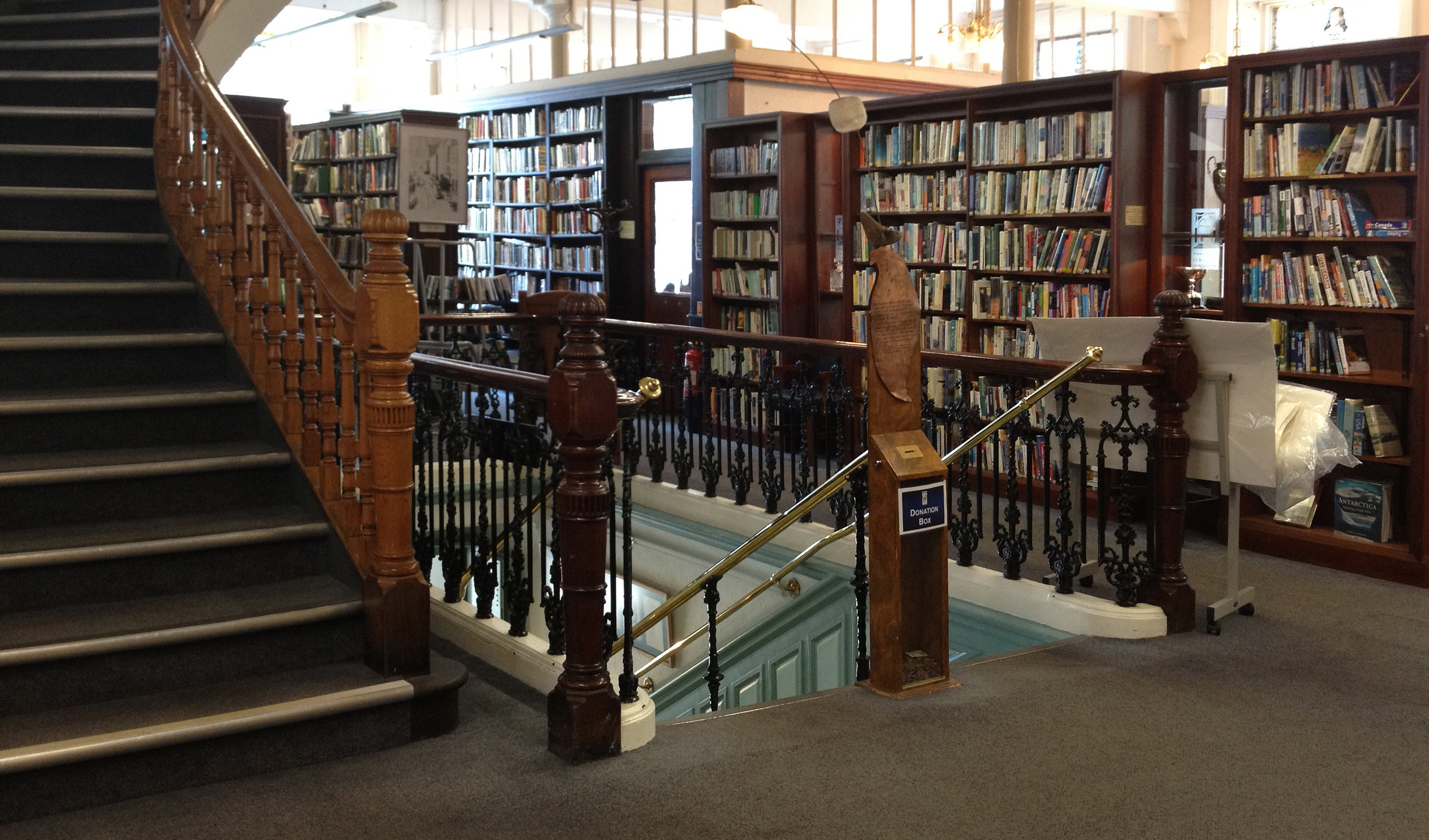
Northern Ireland’s oldest library serves as both cultural archive and living research institution within Belfast’s historic core. Founded in 1788, it holds extensive collections reflecting Irish politics, social change, and literature. Of particular importance are its conflict-era archives, which document decades of political transformation through newspapers, pamphlets, posters, and firsthand accounts. These resources provide critical insight for historians, journalists, and academics worldwide. The library also houses strong collections of Irish language publications and local authors. Peaceful reading rooms contrast deeply with the turbulent history preserved in its archives. Public exhibitions, lectures, and literary events connect communities through shared understanding of the past. The building itself maintains understated charm, placing focus firmly on content rather than spectacle. Its role as an independent guardian of historical memory gives it lasting relevance in conversations surrounding reconciliation, identity, and democratic process. Few libraries hold such direct responsibility in preserving the voice of a nation through conflict and recovery.
Highclere Castle Library, Hampshire
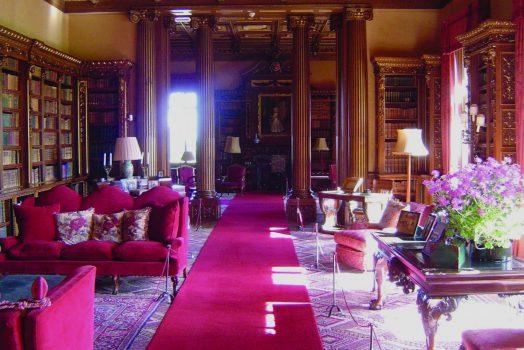
Grand bookcases rising from polished floors define the private literary sanctuary housed within one of Britain’s most famous stately homes. Known globally through television, this aristocratic library remains an active family collection rather than a public research institution. Thousands of leather-bound volumes emphasize history, travel, diplomacy, and classical literature. High windows illuminate the room with natural light, revealing the ornate décor and carved shelving that reflect Victorian craftsmanship at its height. The setting once hosted political figures, explorers, and writers during society gatherings. Though access remains limited to guided estate tours, visitors glimpse how literature once shaped elite education and conversation. Unlike municipal libraries built for open access, this collection reflects inherited knowledge curated over generations. Its role within the larger estate offers insight into how private libraries reinforced cultural authority across British history. The continued preservation of this space honors both architectural artistry and the personal intellectual heritage of the family that still occupies the castle.
Sissinghurst Castle Library, Kent

Quiet literary devotion hides amid the flowering gardens of one of England’s most romantic estates. Created by writer Vita Sackville-West and diplomat Harold Nicolson, this personal library reflects both creative intellect and private taste. Shelves overflow with poetry, travel writing, classical literature, and political theory, mirroring the wide interests of its founders. Unlike monumental research libraries, this collection feels intimate and lived-in, shaped by daily reading habits rather than institutional curation. Sunlight filters through leaded windows onto desks once used for drafting essays and letters. The surrounding gardens enhance the reflective mood, linking literary creation with natural inspiration. Though modest in scale, the library holds exceptional cultural value as a creative workspace that produced lasting literary influence. Today, preservation efforts protect its delicate atmosphere while allowing visitors insight into the private intellectual world of two major twentieth-century cultural figures. It remains a powerful reminder that some of the greatest ideas emerge from personal reading spaces rather than grand halls.
Chatsworth House Library, Derbyshire

Towering shelves filled with antique volumes dominate one of Britain’s most impressive private libraries within a historic estate. This collection reflects centuries of scholarly interest cultivated by generations of aristocracy. Subjects span architecture, science, philosophy, politics, travel, and art, illustrating how education once shaped leadership across Europe. Rare first editions sit alongside handwritten correspondence and illustrated folios documenting exploration and discovery. High ceilings and carved wood form a dramatic setting that mirrors the intellectual ambition behind the collection. Unlike modern public institutions, this library preserves a curated record of elite study and patronage. Guided tours grant limited access, allowing visitors to witness cultural heritage still held within family walls. The surrounding Peak District landscape adds a striking natural backdrop to the interior grandeur. Its continued preservation offers valuable insight into how book collecting once represented power, curiosity, and lifelong learning at the highest social levels.