
Golden temples glow at sunrise while monks in saffron robes pass quietly through misty streets lined with French colonial charm. Luang Prabang pulses with spiritual rhythm, offering a rare blend of serenity, tradition, and cultural richness that few destinations preserve so purely. Nestled between the Mekong and Nam Khan rivers, this UNESCO-listed town invites slow exploration—where every alley leads to history and every meal tells a story. Timing your visit and knowing the cultural etiquette can shape your experience profoundly. This guide shares what to see, where to go, and how to connect with the gentle soul of Laos firsthand.
Dawn Sunrise at East Gate

Muted light filters through mist-shrouded tree lines as the eastern entrance to Angkor Thom slowly awakens. Timing your arrival around 5:30 AM ensures a peaceful pause before tour groups crowd the scene. Monks in saffron robes occasionally pass by, offering an authentic glimpse into morning rituals. The gate’s towering stone faces—carved in serene expressions—glow with subtle pink and gold hues as the sun lifts above the horizon. Photographers will appreciate the symmetry of the path and the reflection opportunities in nearby puddles following rainy nights. Tripods are typically permitted here, especially if arriving before park staff set daytime restrictions. Local vendors may begin setting up along the outskirts by 6:30 AM, allowing a chance to grab fresh coconut water after the shoot. Compared to the more congested west gate, this quiet counterpart is ideal for solo travelers and cultural content creators. For those prioritizing serenity, golden hour hues, and unique framing perspectives, the East Gate offers a remarkable, underutilized starting point. It’s not just a photo-op—it’s a calm, reflective way to begin a full temple day in Siem Reap.
Ta Nei Off-Peak Temple Escape

Dense jungle encircles this lesser-known sanctuary, where crumbled stones lie undisturbed beneath a thick canopy. Reaching Ta Nei requires a short but rewarding tuk-tuk ride followed by a ten-minute shaded hike, making it feel like a secluded discovery rather than a scheduled stop. Without large tour buses or vendors, the site retains its wild charm—perfect for those craving solitude and raw textures in their temple visits. Because it sits far from the central loop, Ta Nei rarely sees more than a few curious explorers even during high season. Moss-covered doorways and precariously leaning walls offer a jungle-overgrown aesthetic similar to Ta Prohm, but without the crowds. Mid-morning and mid-afternoon windows see the softest filtered light through treetops—ideal for natural lighting shots. Visitors often report feeling a meditative stillness here, where the only sounds are wind-rustled leaves and distant cicadas. Whether you’re a photographer, writer, or mindful traveler, this escape serves as both a retreat and a rare glimpse of Angkor’s untouched side—far from the polished circuits and polished stone paths.
Ta Prohm Roots & Light Shoot
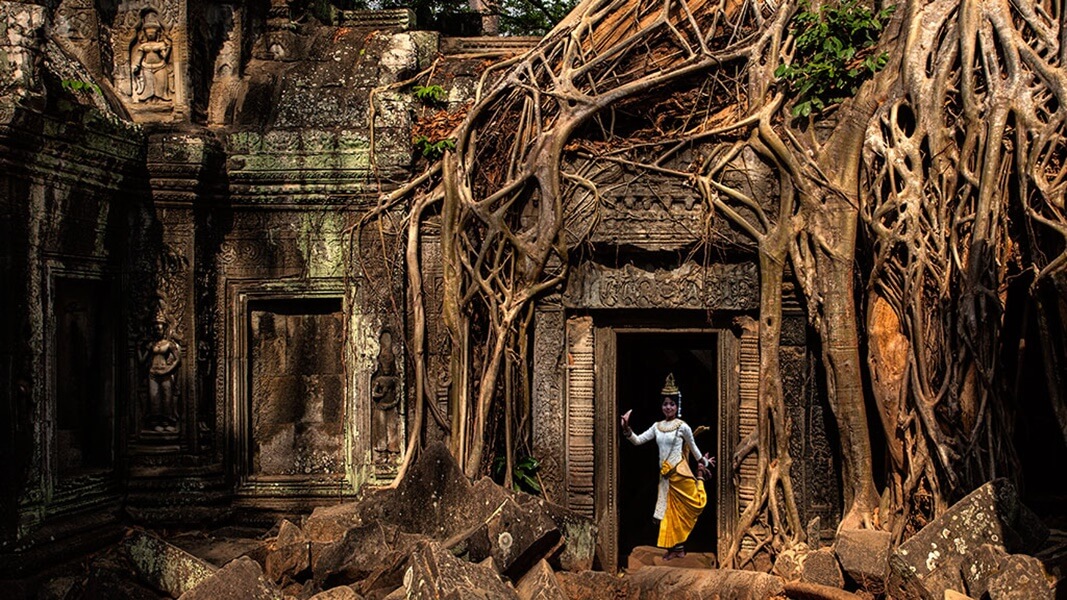
Late morning beams slice through hanging vines, casting dramatic shadows across the tree-strangled corridors of Ta Prohm. This famed temple—known worldwide for its root-entwined stones—reaches peak photogenic potential when sunlight cuts through the eastern galleries between 9:00 AM and 10:30 AM. While the entrance paths can feel hectic, walking directly to the southern passage lets you find quieter corners with equally cinematic overgrowth. Massive silk-cotton and strangler fig trees seem to both support and devour the structure, creating compelling focal points. Bring a lightweight clip tripod and wide-angle lens to capture both height and texture. The most captivating shots often come from kneeling angles where filtered rays spotlight root curves like sculptures. Visitors are encouraged to move slowly—not just for photography—but to truly absorb the battle between nature and architecture. Despite its fame, Ta Prohm still delivers surprises for observant travelers who stray from the main path. It’s not only one of Angkor’s most visually iconic spaces but also among its most emotionally stirring—offering a living testament to time’s quiet takeover of empires past.
Sun-Drenched Bayon Mosaic Break

Midday sun reflects off carved stone faces as visitors gather at Bayon’s central courtyard, where more than 200 serene visages smile across multi-tiered towers. While high noon typically drives travelers toward shade, this time frame brings bold contrast to Bayon’s intricate carvings—especially on the southern and eastern bas-reliefs. Instead of rushing through, many choose to rest in the inner shade alcoves and study the detailed war scenes, market life, and mythological epics depicted across the sandstone galleries. Shade near the upper tower also allows for a break with a panoramic view, while the light play around the doorway pillars offers dynamic foreground options for DSLR or smartphone photography. For travelers hunting “Bayon temple lighting tips,” “Cambodian temple stone carvings,” or “best midday Angkor stops,” this break is as strategic as it is scenic. Drinking water and light snacks are permitted if carried in, and nearby vendors outside the temple gate offer easy restocking without needing to backtrack far. Despite the heat, the afternoon clarity provides strong definition for photos—ideal for mosaic textures and fine sculpture details. Consider it a visual reset: a high-contrast window perfect for reflecting on the spiritual and artistic complexity of Angkor’s symbolic centerpiece.
Temple-Trek Cycling with Clip Tripod

Cycling between temples offers not just mobility but flexibility to stop at fleeting light pockets, quiet corners, and spontaneous discoveries. The Grand Circuit route, looping past Ta Som, Preah Khan, and Neak Pean, remains ideal for moderate riders looking for a balance between nature and ruins. Early departure—before 7:00 AM—lets you beat the heat and access clear trails with morning birdcalls as background. Carrying a compact clip tripod and light mirrorless camera ensures minimal weight without sacrificing creative angles. Stop frequently: lone tree silhouettes against the horizon, moss-cloaked stones beside dirt paths, and local children biking home from nearby villages make compelling documentary-style subjects. Most riders complete the loop in four to five hours with breaks, and several designated rest stops offer fresh fruit and cold towels for recovery. While tuk-tuks provide convenience, cycling builds a more personal rhythm with Angkor’s landscape. It’s not just a method of transport—it’s a moving lens, one that puts you at eye-level with daily life and allows for unrehearsed, authentic moments among the temples’ timeless architecture.
Midday Sanctuary Café Visit
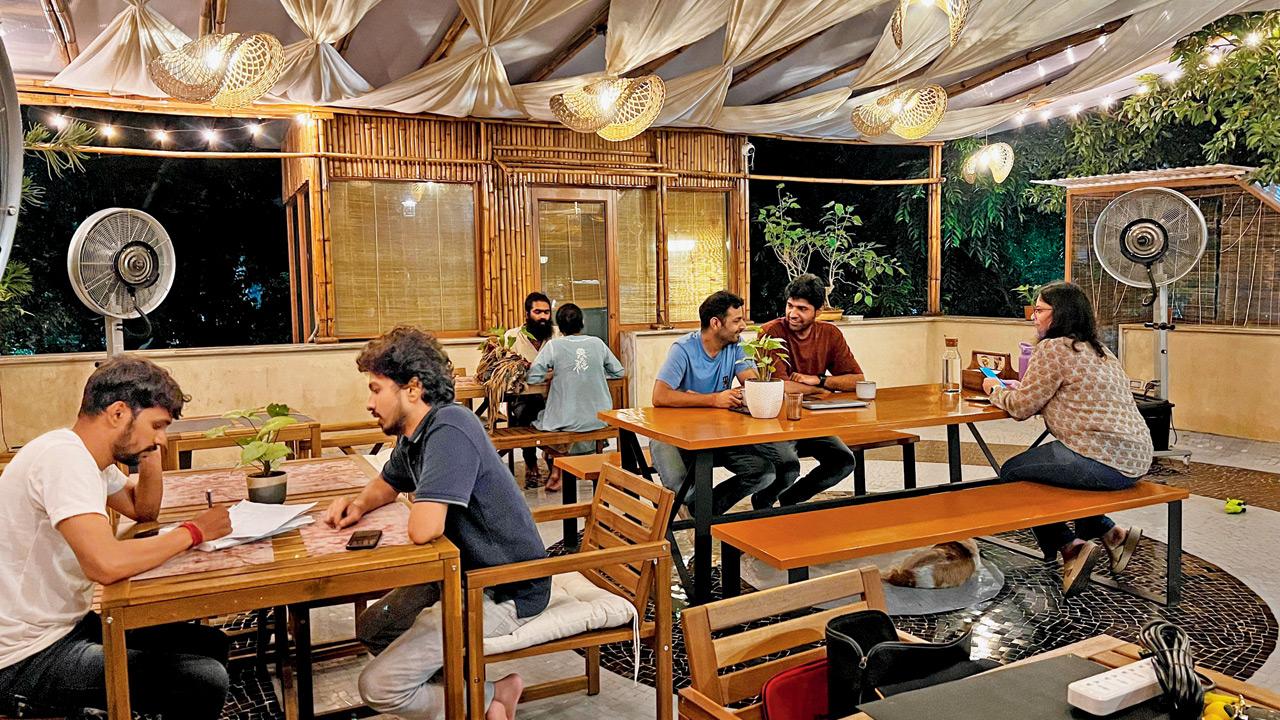
Relief from Cambodia’s intense midday sun comes with iced lemongrass tea, fan-cooled interiors, and shaded temple views at one of the area’s sanctuary cafés. Nestled just outside Angkor Thom’s south gate, these garden-style spots offer more than basic refreshments—they provide atmosphere. Tall frangipani trees, rustic bamboo seating, and slow music make for a thoughtful interlude in a demanding itinerary. For travelers searching “best temple cafés Angkor” or “midday rest Siem Reap temples,” this pause is both practical and poetic. Light Khmer dishes—such as mango salad or vegetable amok—fuel the next trek, while cold hibiscus tea revives both body and spirit. With most temples peaking in heat and foot traffic between 12 PM and 2 PM, stepping into a serene café preserves stamina and enhances the experience. Many allow guests to linger without pressure, offering Wi-Fi for quick uploads or charging points for drained devices. A wide-brim hat and UV scarf left aside signal rest in progress—a welcome pause before resuming exploration. It’s not just about cooling off; it’s about grounding yourself amid the day’s visual intensity. The best temple days aren’t rushed—they’re punctuated by mindful stops, and these quiet cafés ensure the break feels as rewarding as the temples themselves.
Ta Som Framed Gate Solo Capture

Mid-afternoon light cuts sharply through the crumbling gate of Ta Som, perfectly framing the overgrown fig roots that now form a natural archway. Though compact in scale compared to Angkor’s giants, this temple rewards solo travelers and content creators seeking iconic, undisturbed shots. Arriving between 2:30 PM and 3:30 PM captures strong shadow-depth for portrait or silhouette compositions, with the root-strangled east gate offering a one-of-a-kind backdrop. Tour traffic tends to taper post-lunch, giving you a brief window of quiet, especially if visiting mid-week. For those searching “Ta Som tree gate photo,” “solo traveler Angkor itinerary,” or “framed ruin portraits,” this site delivers reliable visual gold. The symmetry of the doorway, paired with the tree’s dominating roots, mimics a portal into another realm—enhanced when lit from behind with natural sunlight. A clip-on tripod allows for clean centered self-timer shots without obstructing footpaths. Don’t rush the frame; even slight changes in angle or crouch level can dramatically shift the feel. While other temples may overshadow Ta Som in size, few compete with the clarity and focus of its central visual icon. For those chasing quiet impact over scale, this quiet ruin proves that sometimes, smaller speaks louder.
Neak Pean Serene Lotus Walkway

A narrow wooden walkway stretches across a mirror-still reservoir as distant temple spires rise over floating lotus clusters. Neak Pean isn’t about scale or grandeur—it’s about tranquility, symmetry, and gentle rhythm. As one of the few temples entirely surrounded by water, its approach feels like crossing into a dream, particularly between 4:00 PM and 5:00 PM when light softens and crowds thin. Designed as a spiritual healing site, Neak Pean centers on circular balance, once used for ritual bathing believed to cure physical and spiritual ailments. Modern visitors may not dip in its pools, but walking the path offers its own mental reset. Slow pacing is key—pause for heron sightings or water reflection photography along the way. The temple’s central sculpture of intertwined nagas (serpent deities) sits like a guardian above the still waters. For photographers, reflective symmetry, contrast lighting, and occasional wildlife movement make for rich visual storytelling. More than a monument, Neak Pean offers a quiet moment where water, wind, and stone hum in meditative unison. This peaceful loop brings balance to an otherwise rugged temple day.
Beng Mealea Jungle Ruin Hike

Deep in the Cambodian countryside, a massive complex of collapsed galleries and vine-covered stones lies waiting beyond the standard Angkor loop. Beng Mealea is Angkor’s raw cousin—untamed, uncrowded, and astonishing in scale. The journey takes nearly 90 minutes from Siem Reap by car or tuk-tuk, but the payoff is immediate. Jungle roots strangle former doorways, and labyrinthine corridors open into light-dappled courtyards where nature has reclaimed its dominance. Wooden walkways offer some structure, but adventurous visitors can also scramble over low ruins, careful to avoid unstable edges. Those searching “Beng Mealea hike,” “jungle ruins near Angkor,” or “offbeat Cambodian temples” will find this location a rewarding entry. Visit before 10:00 AM to enjoy the cooler air and avoid mid-day glare, which flattens textures in photography. Bring grippy shoes, insect repellent, and a wide-angle lens to capture both overgrowth and architectural depth. While signage is minimal, a local guide can add context about collapsed libraries, shrines, and enclosure walls. Unlike the manicured grandeur of Angkor Wat, Beng Mealea feels like a fallen kingdom left untouched. Its power lies in its silence—an echo of ancient civilization buried in green. This is where you don’t just observe ruins—you step directly into their slow surrender.
Local-Female Tuk‑Tuk Cultural Tours

Through winding village roads and temple fringes, a new wave of female-led tuk-tuk drivers offers a fresh perspective on Angkor travel. These independent women, many trained through nonprofit initiatives, craft immersive tours that blend ruins, markets, and village stops into rich, personalized narratives. For travelers seeking ethical, locally-empowered options, searching “female tuk tuk guides Siem Reap” or “women-led cultural tours Angkor” leads to unique, meaningful itineraries. Riders benefit from open dialogue—not just about temple history, but about life as a Khmer woman today. Stops might include a roadside sugar palm candy stand, a weaving family’s courtyard, or a local lunch spot far from the tourist mainstays. Conversations often flow from daily routines to ancient myths, giving travelers rare insight that goes beyond guidebook facts. Booking in advance ensures availability and allows for custom route planning. Most tuk-tuks come equipped with sun covers and coolers stocked with iced water—essentials for full-day loops. Beyond the temples, these guides offer cultural immersion powered by trust, respect, and economic opportunity. With every kilometer, travelers not only witness heritage but support it in action. This approach redefines sightseeing as shared storytelling—fueled by knowledge, driven with heart, and guided by voices long underrepresented on the traveler’s map.
Night-Illuminated Bayon Temple Loop

As twilight sets and daytime visitors disperse, Bayon’s enigmatic faces shift under artificial glow into something cinematic. Special permits or curated evening experiences—often available via high-end tour operators—allow access to the temple’s outer courtyards after sunset. While full interior access remains limited post-closure, walking the perimeter under strategic lighting reveals new dimensions to this iconic site. Shadows elongate, carvings pop, and the cool air invites deeper presence. Bring a tripod or low-light camera for long-exposure shots, especially on moonlit nights when natural and artificial light blend. Local guards and guides maintain strict rules, but they’re often open to helping serious photographers position themselves safely. The nighttime atmosphere leans spiritual—less like sightseeing, more like ceremony. Few travelers experience Bayon this way, and those who do often describe it as hauntingly unforgettable. It’s a chance to slow down, listen to the jungle beyond, and see ancient stone come alive in the hush of night. If you’ve seen Bayon by day, the evening loop offers something wholly different—intimate, eerie, and full of reverence.
Guided Contextual History Chat

Rather than simply touring structures, some of the most rewarding insights at Angkor come from guided sit-down conversations with accredited local historians. These aren’t rushed walk-throughs but 30–45 minute pauses at shaded temple areas or nearby pavilions, where history is unpacked with nuance, humor, and surprising connections. Many guides now offer these add-on “context sessions” where visitors can ask about specific carvings, royal dynasties, or even the influence of Hinduism and Buddhism on Angkor’s layout. Those searching “Angkor Wat historical interpretation,” “local guides cultural insights,” or “understanding Khmer architecture” will appreciate the depth these chats provide. Sessions often include visuals—laminated maps, architectural sketches, or carved stone rubbings—that make timelines and religious symbolism easier to follow. Beyond temple dates and rulers, discussions may touch on restoration politics, conservation challenges, and how villagers still interact with these spiritual spaces. Booking a guide through a reputable association ensures certification and ethical standards. For first-timers and returning visitors alike, these conversational deep-dives provide the framework that makes every tower and terrace more meaningful. This isn’t just a history lesson—it’s a decoding session that transforms weathered stones into stories, connecting you not only to ancient Khmer civilization, but to the living culture that surrounds and protects it.