
Visitors heading to Manchester often appreciate how the city blends industrial heritage with cutting-edge culture, creating a destination packed with exciting things to experience. Music history, world-class football, innovative museums, and a thriving food scene give travellers countless reasons to explore its neighbourhoods with curiosity. Whether someone wants creative hubs, iconic venues, or relaxed urban walks, Manchester delivers memorable options for every interest. This guide outlines the top things to do in Manchester, offering practical insight and trustworthy recommendations that help readers plan a fulfilling visit and make the most of their time in this energetic UK city.
Explore Manchester’s Hidden Arcade Passages

Tucked between busy streets, the city’s historic arcades reveal a quieter side of Manchester that many visitors overlook. These passages link independent boutiques, heritage cafés, and long-established jewelers, offering a glimpse into the commercial life that shaped the city over a century ago. Each arcade carries its own architectural charm, blending Victorian ironwork, stained glass, and tiled floors that make even a short walk visually rewarding. Shoppers often find niche labels and specialist retailers that you won’t encounter in mainstream malls. Photographers appreciate the soft natural light that filters through the glass ceilings, creating atmospheric scenes throughout the day. Exploring these passages also provides convenient shortcuts between major attractions while encouraging slower discovery of the city’s creative energy. Whether you’re browsing vintage pieces, hunting for artisan pastries, or admiring the preserved details of Grade II–listed structures, the arcades offer an inviting retreat from larger crowds. Many local workers use these spaces as meeting points, giving them a vibrant yet relaxed rhythm during peak hours. For anyone wanting to understand Manchester beyond its industrial reputation, these arcades highlight the craftsmanship, ambition, and individuality that continue to influence the city’s culture.
Visit John Rylands Library’s Gothic Reading Rooms
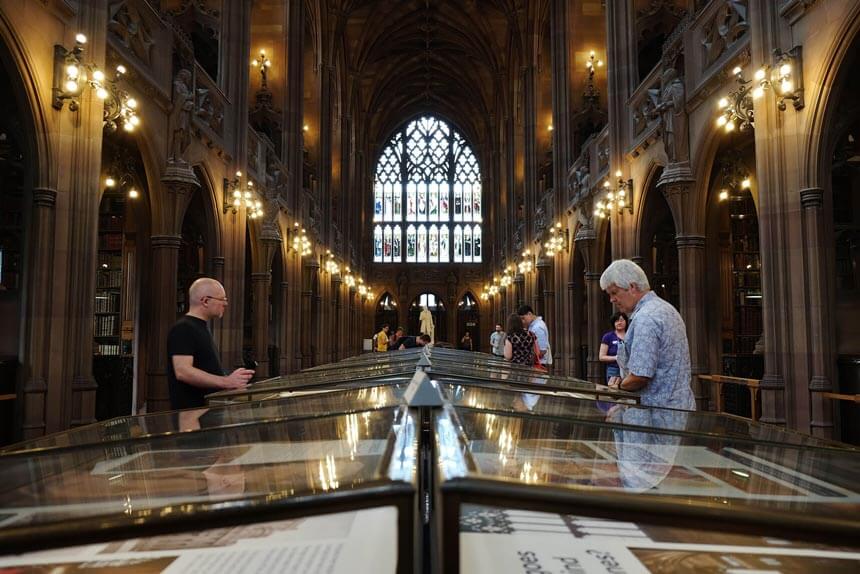
Stepping inside this masterpiece feels like entering a cathedral built for knowledge rather than worship. The deep stone arches, intricate tracery, and dramatic vaulted ceilings create one of the most remarkable reading environments in the UK. Visitors often describe the building as a sanctuary where history seems to hum in the background. Rare manuscripts, including medieval texts and early printed works, underscore the library’s significance as a world-class research institution. The reading rooms themselves are atmospheric, lined with oak paneling, stained-glass windows, and quiet alcoves that allow uninterrupted focus. Anyone interested in architecture, literature, or heritage will appreciate how this building blends academic purpose with artistic elegance. Free public access makes it easy to spend time exploring its exhibitions, displays, and hidden corners at your own pace. Staff members frequently share insights into conservation work, helping visitors understand the lengths required to preserve centuries-old documents. While the library sits in the heart of the city, its interior transports you far from the surrounding modern skyline. It remains an ideal stop for travelers craving depth, beauty, and a moment of stillness amid Manchester’s energetic pace. No visit feels complete without experiencing this iconic landmark.
Wander the Northern Quarter’s Street Art Grid

Every turn through this creative district reveals murals, tags, and large-scale installations layered across brick walls, alleyways, and hidden courtyards. The Northern Quarter has become Manchester’s open-air gallery, constantly refreshed by local and international artists who use the neighborhood as a platform for experimentation. Walking through the grid-like streets gives you immediate access to bold commentary on culture, music, activism, and urban life. Many works change seasonally, encouraging repeat visits to track new additions or reinterpretations of familiar spaces. Independent shops, cafés, and record stores sit between these artworks, adding further texture to the neighborhood’s identity. Travelers with an interest in photography or urban exploration will find endless opportunities, especially during early morning light when the area feels calm. Maps aren’t necessary; part of the fun lies in letting the artwork guide your route. Conversations with local shop owners often reveal stories behind specific murals and details about the artists who created them. The district’s relaxed atmosphere also makes it a popular spot for guided street art walks, providing context that deepens appreciation. Whether you’re browsing vintage markets or searching for the latest installation, the Northern Quarter remains one of Manchester’s most expressive cultural corridors.
Take a Food Crawl Through Ancoats

Once an industrial powerhouse, Ancoats has transformed into one of the city’s most celebrated food neighborhoods. Walking through its restored mills and red-brick streets brings you directly to award-winning bakeries, craft pizza spots, independent bars, and creative global kitchens. A self-guided food crawl works best here because everything is accessible within minutes, allowing you to sample multiple venues without feeling rushed. Start with small bites or pastries before moving toward heartier dishes that highlight the district’s culinary variety. Many establishments focus on seasonal ingredients and slow-crafted methods, giving visitors an authentic taste of Manchester’s contemporary food scene. The area attracts locals who appreciate quality dining without formality, so the energy stays warm and welcoming throughout the day. Outdoor seating options add to the experience, especially during mild weather when the streets feel lively. If you’re interested in culinary history, Ancoats also offers insight into Manchester’s immigrant communities, whose influence shaped the flavors now celebrated here. Evening visits introduce a different atmosphere, with wine bars, dessert spots, and late-night kitchens keeping the neighborhood vibrant. For food enthusiasts, Ancoats delivers depth, diversity, and memorable flavor combinations that showcase why it has become a must-visit district.
Tour Old Trafford or Etihad Stadium (Fan or Not)

Even visitors without strong team loyalties find these tours surprisingly engaging. The scale of both stadiums highlights Manchester’s global impact on football—an influence that extends far beyond match days. Guided experiences often include behind-the-scenes access to player tunnels, dressing rooms, media zones, and pitch-side areas that most fans only see on television. Knowledgeable staff provide context about historic matches, legendary players, and tactical developments that shaped each club’s identity. For travelers who enjoy architecture or large-venue engineering, the stadium structures themselves offer plenty to admire, from sweeping stands to modern training facilities. Museum sections deepen the experience with trophies, memorabilia, and interactive displays that chart decades of achievement. Visitors often comment on how these tours convey the emotional weight football holds in Manchester and how it connects communities across generations. Even on non-match days, the atmosphere feels charged with stories. Whether you choose Old Trafford’s iconic heritage or Etihad’s cutting-edge design, both tours offer a meaningful look at the sport’s cultural significance. Families, casual tourists, and lifelong fans alike leave with a greater understanding of why Manchester remains at the heart of football discussions worldwide.
Sunrise or Sunset Walk at MediaCity Waterfront
Light along the quays transforms this modern district into one of the most photogenic places in Greater Manchester. During the early morning, calm water reflects the skyline and bridges with near-perfect clarity, providing a peaceful start to the day. In the evening, the setting sun casts warm tones across the BBC and ITV buildings, giving the entire waterfront a cinematic glow. Walkers appreciate the wide footpaths, public art installations, and scenic viewpoints scattered throughout the area. The atmosphere shifts gently throughout the day, blending a working media hub with relaxed residential spaces. Cafés and small eateries open early, making it easy to pair the walk with breakfast or a warm drink. Wildlife sightings—especially around the docks—add unexpected charm to the route. Visitors interested in modern urban design will also notice the district’s thoughtful balance of green pockets, open plazas, and striking architecture. Whether you’re capturing photos, unwinding after a busy schedule, or exploring a quieter part of the city, this waterfront offers a refreshing perspective on Manchester. The combination of water, light, and contemporary buildings makes sunrise and sunset particularly rewarding times to explore.
Explore the Science & Industry Museum’s Working Machines

Engaging exhibits bring Manchester’s industrial heritage to life through functioning machinery that demonstrates the city’s role in global innovation. Many visitors find the live demonstrations especially compelling, as they reveal the mechanics behind textile production, steam power, and early engineering breakthroughs. Staff interpreters explain how these machines once drove economic growth and shaped working-class communities, offering valuable context to the objects on display. The museum’s layout guides you chronologically through major technological advancements, making the experience accessible even for those without technical backgrounds. Interactive components encourage hands-on learning, while restored engines and original mill equipment highlight the scale of industrial operations during Manchester’s peak manufacturing era. Families appreciate the balance of education and entertainment, and history enthusiasts value the museum’s collection of scientific instruments and early computing artifacts. The surrounding area, once part of the city’s transport infrastructure, deepens the storytelling with preserved railway buildings and historic workshops. Visiting this museum provides an eye-opening look at how engineering shaped global progress and why Manchester earned its reputation as a powerhouse of innovation. It remains one of the most insightful attractions for understanding the city’s identity.
Take a Canal-Side Walk to Castlefield Roman Fort

Historic waterways guide you through peaceful stretches of central Manchester, eventually leading to one of the city’s most significant archaeological sites. The canal-side path offers a mix of converted warehouses, narrowboats, and scenic bridges that illustrate the area’s transformation from industrial corridor to cultural landmark. As you approach Castlefield, the landscape opens into a well-preserved Roman fort where foundations and reconstructed elements show how early settlements were structured. Informational plaques provide accessible explanations of the fort’s military purpose, trade connections, and daily life during Roman Britain. Visitors often appreciate how the site blends with its modern surroundings, creating a layered narrative of Manchester’s evolution. The walk itself is relaxed, suitable for all ages, and filled with opportunities to stop for coffee or photos along the route. Wildlife such as swans and ducks add charm to the water’s edge, particularly on quiet mornings. Whether you’re interested in archaeology, architecture, or simply a scenic stroll, the journey to Castlefield offers a rewarding combination of nature and history. It remains a standout experience for travelers seeking depth beyond typical city-centre attractions.
Visit the Manchester Art Gallery’s Contemporary Wing
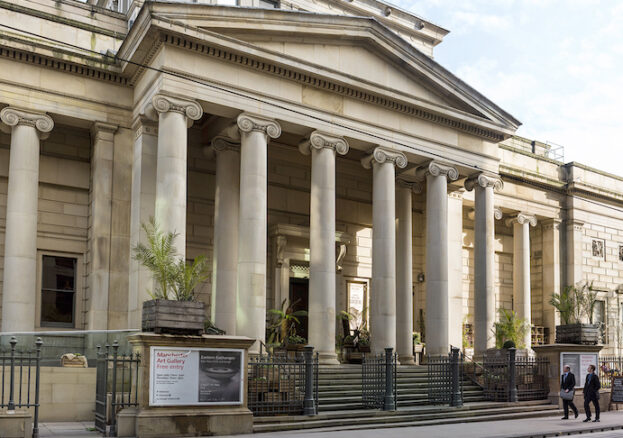
Inside this thoughtfully curated space, visitors encounter dynamic works that reflect current artistic conversations across the UK and beyond. The contemporary wing showcases paintings, installations, photography, and mixed-media pieces that highlight shifting cultural perspectives. Exhibitions rotate regularly, ensuring there is always something new to discover. Curators often pair modern works with contextual information, helping visitors understand the themes and messages behind each piece. The layout encourages slow engagement, allowing viewers to experience the emotional and intellectual impact of each artwork without distraction. Many artists featured here explore topics such as identity, environment, technology, and social change, making the gallery relevant to today’s discussions. Comfortable seating areas and open sightlines create an inviting atmosphere regardless of your familiarity with contemporary art. Free admission further supports accessibility, welcoming students, families, and travelers seeking cultural depth. The gallery shop and nearby cafés add convenience for those who want to extend their visit. Whether you’re an experienced art enthusiast or someone exploring modern art for the first time, the contemporary wing provides a compelling look into evolving creative expression and Manchester’s support for forward-thinking talent.
Shop Independent Makers at the Craft & Design Centre

Artisans working inside this former Victorian fish market bring creativity to life through jewelry, textiles, ceramics, illustration, and bespoke homeware. Visitors can watch makers at work, offering a rare insight into the skill and patience behind handmade goods. Each studio is run by a local creator who designs, produces, and sells directly from their workspace, ensuring one-of-a-kind pieces. The environment feels welcoming and personal, encouraging conversations about techniques, materials, and artistic inspiration. Seasonal exhibitions highlight emerging talent and provide a platform for experimental design, adding something fresh for returning visitors. Shoppers searching for meaningful gifts find plenty of options, from handcrafted accessories to limited-edition prints. The building’s layout allows for easy browsing, and natural light enhances the vibrant colors and textures on display. A café inside the centre offers a relaxing break between studios, making it easy to spend an afternoon here. For travelers interested in supporting local creativity, this destination showcases the heart of Manchester’s maker community. It stands apart from commercial shopping areas by celebrating individuality, craftsmanship, and sustainable production.
Grab Coffee Inside the Whitworth Art Garden Pavilion

This tranquil setting blends art, architecture, and nature in a way that makes a simple coffee break feel restorative. Floor-to-ceiling windows frame the surrounding gardens, allowing visitors to enjoy greenery regardless of the season. The pavilion’s design emphasizes calm, making it a favorite spot for students, museum-goers, and neighborhood residents needing a quiet pause. Many people pair their visit with a walk through the Whitworth’s galleries, where contemporary and historical works sit side by side. The café serves quality brews and light bites, often sourced from local suppliers who prioritize sustainability. The combination of natural light, serene landscaping, and thoughtful interiors creates an atmosphere ideal for reading, conversation, or creative brainstorming. Outdoor seating enhances the experience on warm days, with views of sculptures and shaded paths that encourage lingering. The pavilion also reflects the museum’s commitment to making art accessible, welcoming visitors who may simply want to enjoy the space without touring the full collection. For travelers seeking a calming moment during a busy itinerary, this location delivers a refreshing balance of culture and nature. It’s a standout example of how Manchester integrates green spaces into its cultural institutions.
Explore Chinatown’s Hidden Dessert Spots

Sweet treats tucked between grocery stores, neon arches, and family-run restaurants make Manchester’s Chinatown an exciting destination for food lovers. Beyond traditional bakeries, the area offers bubble-tea cafés, shaved-ice shops, mochi counters, and modern dessert bars inspired by East Asian trends. Each venue brings its own flair, whether through imaginative flavor combinations or classic recipes made with care. Visitors often enjoy sampling multiple spots, creating their own dessert crawl through the district’s compact streets. Weekends tend to bring lively crowds, adding a festive feel to the experience. Staff members are usually happy to recommend specialties for newcomers, making it easy to try something different. The variety of textures—chewy, creamy, crispy, airy—keeps the journey engaging from start to finish. Many shops stay open late, offering a fun end-of-day treat after exploring nearby attractions. While small in size, Chinatown holds a rich culinary landscape that rewards slow exploration. Whether you’re in the mood for delicate pastries, indulgent custards, or refreshing teas, this neighborhood offers plenty of memorable flavors for dessert enthusiasts.