
Rugged coastlines, heather-covered hills, and sea lochs define the small island often called “Scotland in miniature.” Arran matters to travelers because it compresses dramatic landscapes, ancient history, wildlife encounters, and coastal villages into one easily explored destination. Ferry access from the mainland makes it ideal for weekend breaks and slow-paced adventures alike. Walkers tackle granite peaks, history lovers explore standing stones and castles, and food lovers sample local cheese and whisky. This guide to things to do on the Isle of Arran, Scotland highlights must-see sights, outdoor experiences, and practical travel tips to help readers plan unforgettable island days filled with scenery, culture, and fresh sea air.
Rievaulx Terrace, North Yorkshire

Morning light drifting across the Vale of Mowbray turns this elevated landscape into a living painting shaped by 18th-century design ideals. Rievaulx Terrace stretches along a wooded ridge above the famous abbey ruins, blending classical garden planning with sweeping Yorkshire countryside views. Dual temples anchor the terrace ends, once serving as viewpoints for aristocratic visitors seeking reflection, conversation, and grandeur. Carefully managed woodland paths reveal alternating glimpses of the River Rye, stone ruins below, and distant rolling farmland. Wildlife thrives here, including deer, owls, and seasonal wildflowers carpeting shaded clearings. The route feels peaceful even during peak months due to its generous length and changing scenery. Benches positioned along key sightlines encourage slow exploration and photography. Autumn delivers especially rich color, while spring highlights blossom and fresh greenery. Families enjoy gentle gradients, making the walk accessible for most fitness levels. Nearby Helmsley offers excellent tea rooms and local shops for post-walk refreshment. Rievaulx Terrace delivers a rare blend of English landscape artistry, historic depth, and tranquil outdoor immersion in one consistent, rewarding experience.
Kynance Cove, Cornwall (off-season magic)

Winter calm reshapes this dramatic coastline into something quieter, moodier, and often more powerful than summer ever delivers. Kynance Cove’s serpentine rocks, offshore islands, and turquoise pools remain visually striking even under soft grey skies. Outside the peak season, footsteps fade, leaving only waves breaking across patterned sandstone and occasional seabirds circling overhead. The absence of crowds allows long, unbroken cliff-edge walks with uninterrupted sea views toward the Lizard Peninsula. Tide pools become clearer without footprints stirring the sand, revealing anemones and small crustaceans. Sunsets feel especially cinematic as low light reflects off wet stone and damp seaweed. Footpaths can be slippery, making sturdy footwear essential during colder months. The beach café closes seasonally, so visitors should prepare with supplies. Storm-watching adds unexpected drama as Atlantic surges reshape the shoreline. Photographers often favor this period for contrast-rich imagery. Kynance feels raw yet peaceful outside summer, offering solitude, sensory immersion, and some of Cornwall’s most striking coastal scenery without the seasonal rush.
St. Nectan’s Glen, Tintagel
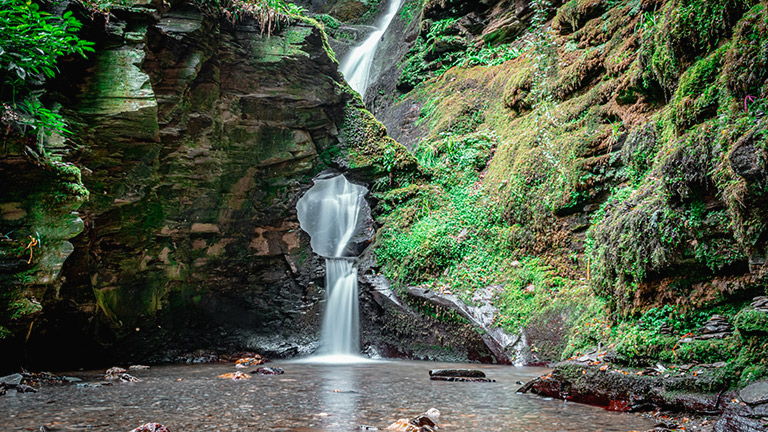
Filtered sunlight dancing through dense oak canopy signals arrival at one of Cornwall’s most atmospheric woodland sanctuaries. St. Nectan’s Glen follows a shaded river corridor toward a 60-foot waterfall cascading through a natural granite cleft. Moss-covered stones, twisted roots, and fern-lined banks create a scene that feels untouched by modern noise. The walking path requires steady footing as it threads across woodland bridges and damp earth. At the glen’s heart, mist from the falling water cools the air and softens surrounding sound into a steady hush. Spiritual symbolism surrounds the site, marked by offerings tied to branches and stone ledges. Seasonal flow changes the intensity of the cascade, with winter producing the most dramatic volume. Birdsong fills the canopy while dippers skim the rushing stream. Tintagel village remains nearby yet feels worlds away once inside the glen. The experience suits those seeking immersive nature, quiet reflection, and one of Cornwall’s most evocative waterfall walks without coastal exposure.
Blakeney Point, Norfolk Coast
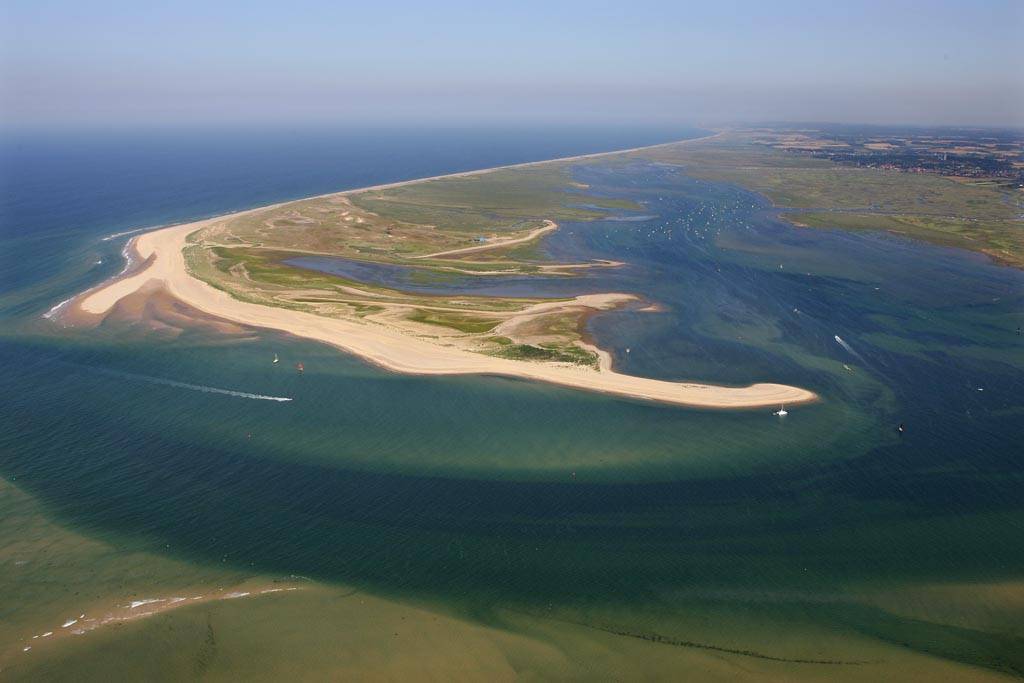
Wind-swept dunes and wide salt marshes define one of England’s most important wildlife conservation landscapes. Blakeney Point stretches as a long shingle spit along the Norfolk Coast, shaped continuously by North Sea tides and storms. Grey seal colonies draw national attention during breeding season, when hundreds rest on the sands with their pups. Guided walks allow controlled access while protecting fragile habitats. Migratory birds sweep across the marshes throughout the year, making the area exceptional for birdwatching. Tidal creeks carve ever-shifting patterns through the mudflats, enhancing the sense of constant change. Walking routes vary with sea conditions, so tide awareness remains essential for safe exploration. The air carries salt and seabed minerals, producing a distinct coastal scent. Nearby villages such as Morston and Cley provide local food stops and boat access. Winter brings haunting quiet, while summer delivers open horizons beneath wide skies. Blakeney Point rewards patient visitors with rare wildlife encounters, untouched shoreline character, and sweeping coastal solitude.
Lud’s Church, Staffordshire Moorlands
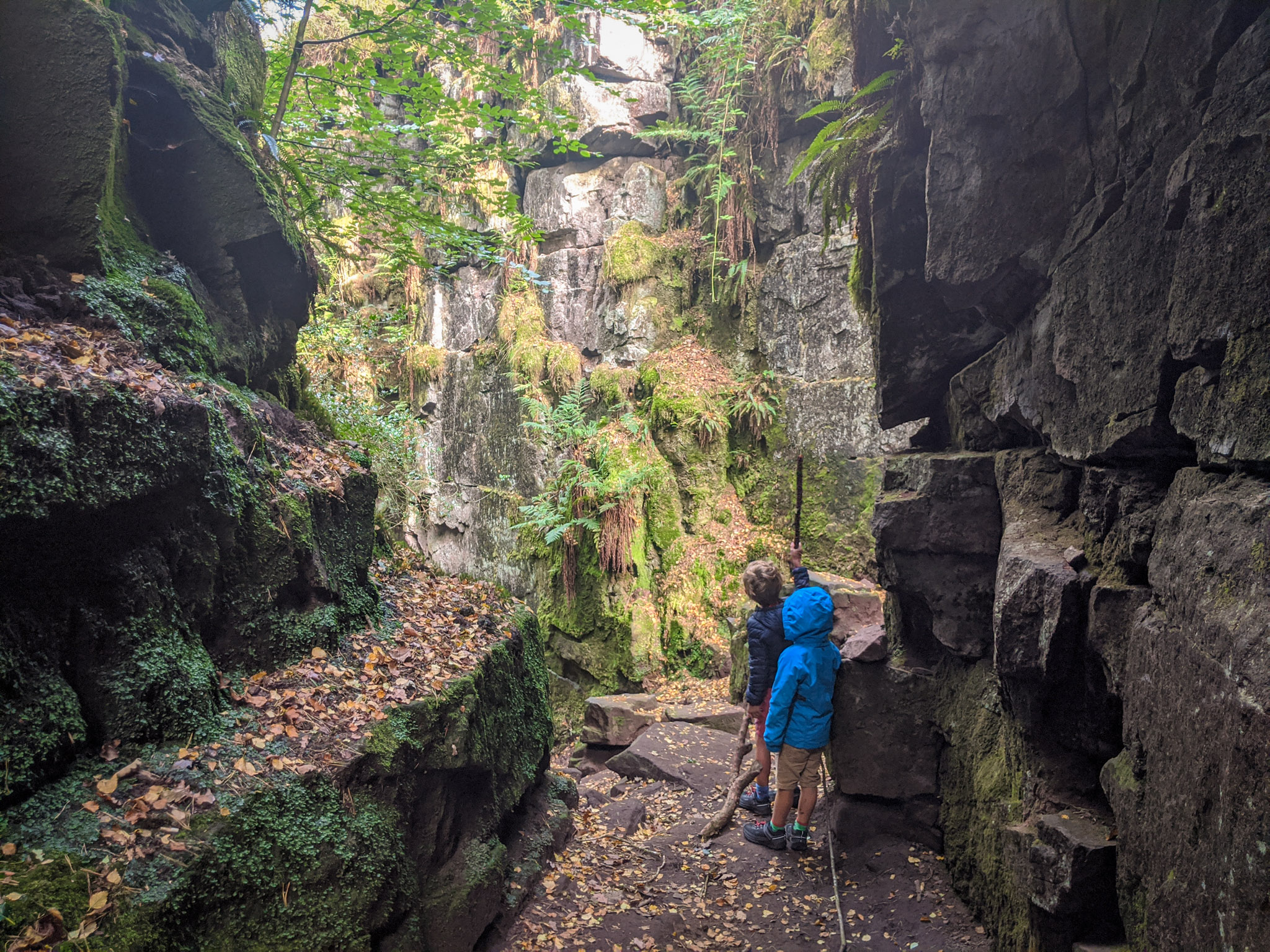
Sheer rock walls cloaked in ferns and moss form a narrow chasm hidden deep within ancient woodland. Lud’s Church drops nearly 60 feet into the earth, creating a shaded passage that feels geological and mythical at once. The crevice was carved by water erosion over thousands of years, splitting millstone grit into towering vertical faces. Light streams down in thin ribbons, illuminating damp stone and vivid green growth. Footing can be slick after rainfall, making caution essential. Historical associations link the gorge with medieval religious dissenters seeking secrecy and refuge. The temperature remains noticeably cooler inside, even on warm days. Giant tree roots snake along upper edges, anchoring trunks perched precariously above the void. Sound fades rapidly within the cleft, heightening the sense of isolation. Reaching the site requires a scenic walk across rolling moorland and forest tracks. Lud’s Church stands as one of England’s most dramatic natural formations, combining geological rarity, shadowed beauty, and quiet historical intrigue within a compact yet unforgettable space.
Llyn Idwal Path Viewpoint, near Snowdonia border

Rising air scented with heather and mountain water guides walkers toward one of North Wales’ most rewarding highland viewpoints. Llyn Idwal sits cradled beneath jagged rock faces shaped by Ice Age glaciers. The circular path climbs gently across stone-strewn terrain, revealing increasingly vast perspectives as altitude increases. Weather shifts rapidly here, with sun, mist, and wind often cycling within a single hour. Reflections on the lake mirror surrounding cliffs when conditions settle, creating striking symmetry. Rare alpine plants thrive among the rocks due to the harsh environment and protected status. Birdlife includes ravens circling the crags and wheatears darting along open ground. The route suits moderately active visitors seeking mountain scenery without technical climbing. Seasonal snow occasionally dusts the ridges in winter, intensifying the drama. Parking lies conveniently near the trailhead along the A5. The viewpoint captures the raw character of Snowdonia’s borderlands, blending accessible walking with true high-mountain atmosphere and geological grandeur.
Portmeirion-style village in southern England (hidden coastal enclave)
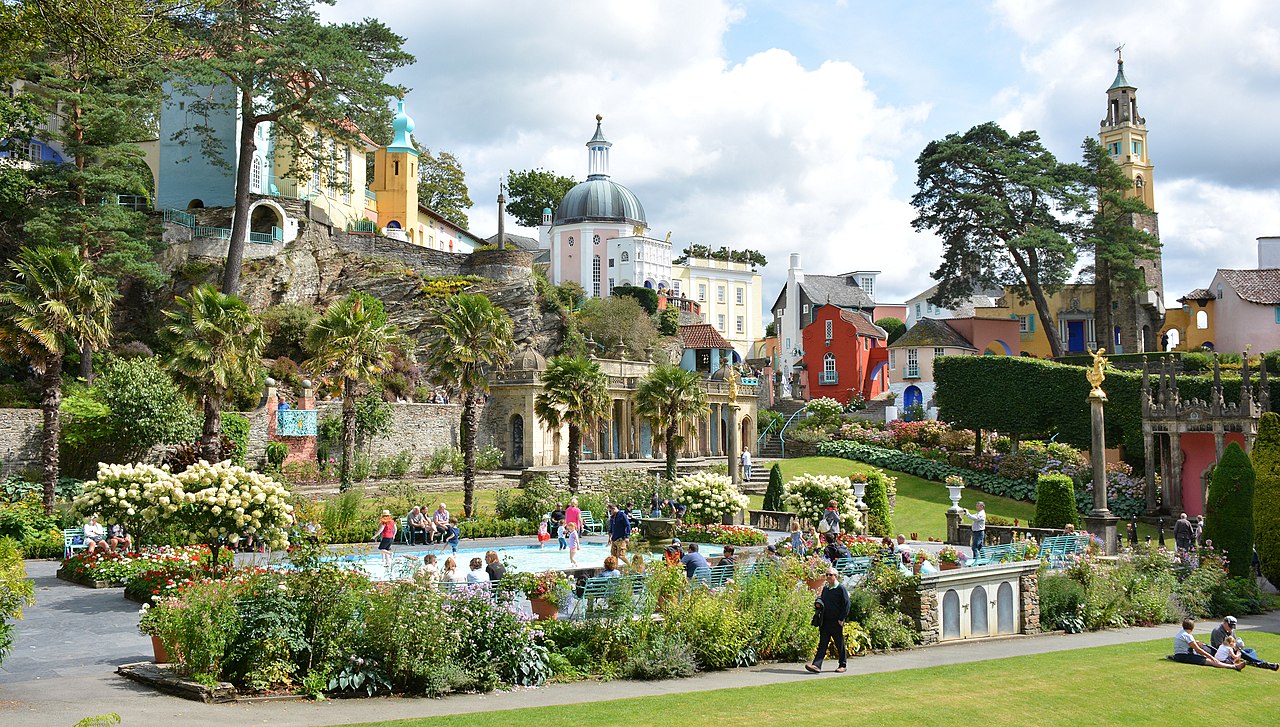
Pastel facades layered against cliffside greenery give this concealed seaside settlement its striking Mediterranean illusion. Tucked along England’s southern shoreline, the village blends decorative balconies, pastel walls, and tiled rooftops inspired by continental resort architecture. Narrow lanes weave between painted cottages and overlook hidden coves below. Boats drift quietly offshore while sea breezes carry the scent of salt and flowering shrubs. The community remains deliberately understated, avoiding commercial sprawl and preserving its visual harmony. Coastal footpaths curve around headlands offering views across turquoise shallows and chalk ridges. Early mornings deliver shimmering water reflections across terrace windows, while evenings soften the vibrant colors. Cafés favor seasonal menus drawn from local seafood and nearby farms. Limited public transport keeps visitor numbers low, maintaining the enclave’s peaceful character. The blend of British coastline with southern European design creates an unexpected sense of escape without international travel. This hidden village rewards those seeking visual charm, coastal serenity, and architectural surprise within a compact walking environment.
Malham Tarn & Secret Limestone Pavement

Wide-open upland air surrounds this glacial lake resting high above Yorkshire’s limestone country. Malham Tarn lies within a protected national nature reserve, fed by underground streams and seasonal runoff. The surrounding landscape displays classic karst features including hidden fissures, clints, and grikes carved into exposed limestone pavement. Less-frequented sections reveal intricate rock patterns resembling natural tiled mosaics. Wild orchids bloom nearby during early summer, while curlew calls echo across open moorland. The circular walking route crosses grassland, stone paths, and wetland margins inhabited by dragonflies and waterfowl. Shifting cloud layers reflect dramatically across the tarn’s still surface. The area’s geology supports rare plant communities adapted to alkaline soils and harsh winds. Winter brings stark beauty as frost outlines every stone groove. Access from Malham village remains straightforward while preserving a strong sense of remoteness. Malham Tarn and its concealed limestone formations deliver one of Northern England’s most distinctive combinations of water, rock, and wide horizon exposure.
Puzzlewood Forest, Gloucestershire

Twisting wooden walkways suspended above ancient roots guide visitors into one of Britain’s most visually unusual woodlands. Puzzlewood occupies a former Roman iron mining site where centuries of regrowth transformed open scars into moss-draped labyrinths. Elevated paths wind through gnarled trees, exposed stone channels, and fern-filled ravines. Natural rock pools catch filtered sunlight creating mirrored pockets beneath thick canopy cover. The terrain remains uneven and damp throughout the year, adding to the forest’s enchanted atmosphere. Rare lichens and fungi thrive across shaded stone surfaces. Film and television productions frequently use the woodland as a fantasy backdrop due to its otherworldly structure. Birdsong reverberates through tight spaces, amplified by enclosing rock. Families enjoy designated routes designed for safe exploration without disturbing fragile features. Seasonal changes reshape the setting constantly, from golden autumn leaves to lush spring growth. Puzzlewood offers an immersive experience where natural history, geological relics, and visual drama intersect in a tightly preserved woodland environment.
Robin Hood’s Bay Upper Clifftop Walk

Sweeping sea horizons stretch endlessly from elevated grass paths carved along this dramatic Yorkshire headland. The clifftop route above Robin Hood’s Bay reveals a layered panorama of offshore waters, rugged coastline, and red-roofed village far below. The trail links into the Cleveland Way, providing long-distance walking opportunities across exposed coastal terrain. Wind patterns often shift suddenly, carrying seabird calls across the cliffs. Panoramic viewpoints frame distant headlands and rolling North Sea swell. Heather and coastal grasses blanket open ground during late summer, adding rich texture beneath open skies. Sunset transforms the bay into a reflective bronze surface mirrored by scattered clouds. The descent into the village follows steep, narrow lanes lined with centuries-old cottages. Fishing heritage remains visible in boats, net stores, and historic slipways. Seasonal whale and dolphin sightings occasionally reward patient observers. This upper clifftop walk delivers some of North Yorkshire’s most expansive coastal views with consistent drama and rewarding transitions between height and harbor.
Dunwich Village Ruins, Suffolk Coast
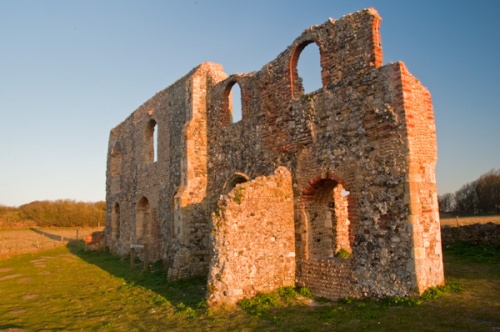
Submerged history defines this vanished medieval port where shifting seas swallowed streets, churches, and entire neighborhoods. Dunwich once rivaled London in importance, yet relentless coastal erosion reduced it to scattered ruins and open beach. The Greyfriars monastery remains partially visible among grassy mounds and sea-worn stone. Interpretive signs mark where thriving market squares once stood beneath today’s waves. The coastline continues retreating each year, reshaping the fragile boundary between land and sea. Silence dominates the setting except for wind and surf. Heathland flowers bloom unexpectedly across former streets in spring. Walkers trace outlines of lost communities along soft sand and low cliffs. Shingle ridges shift with each winter storm, uncovering fragments of masonry and pottery. The local museum preserves artifacts recovered from underwater excavations. Dunwich stands as one of England’s most haunting coastal sites, offering rare perspective on natural power, human settlement loss, and the enduring pull of disappearing landscapes.
The Fairy Pools-like Streams of Northumberland National Park
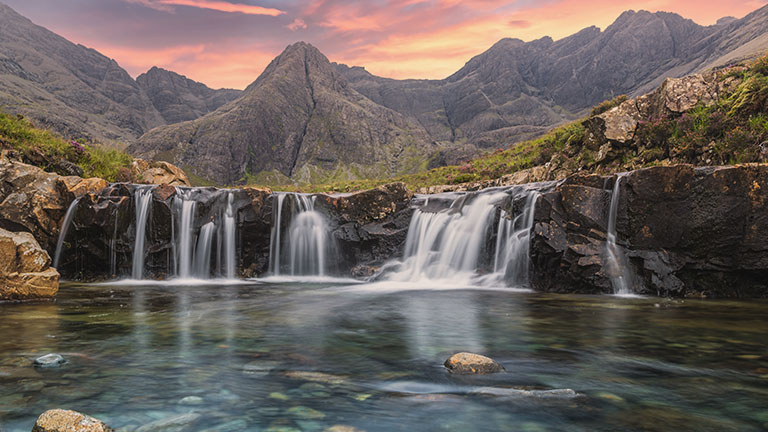
Clear mountain-fed streams cascade through smooth stone channels across one of England’s least crowded national parks. These ribbon-like waterways carve glittering staircases of pools and miniature falls through open moorland and valley edges. Water clarity allows pebbles to glow beneath surface ripples. Moss and wild grasses cling to shaded banks, softening the rocky geometry. Quiet dominates the landscape, broken only by flowing water and distant birdcalls. Red squirrels and otters occasionally pass through hidden corridors formed by streamside vegetation. Walking routes cross footbridges and stepping stones that demand steady balance after rainfall. Seasonal snowfall feeds spring surges, intensifying flow and sound. The lack of commercial development preserves uninterrupted natural character. Evening light filters across shallow pools, reflecting pastel skies into rippling mosaics. Northumberland’s stream networks deliver an experience often compared to more famous fairy pools while remaining far calmer, wilder, and almost entirely untouched by mass tourism.