
Planning a trip to England becomes far easier when travellers understand the everyday details that shape local experiences, from cultural norms to transport essentials. England’s mix of historic cities, rural landscapes, and modern conveniences offers plenty to enjoy, but first-time visitors often benefit from practical insight that helps them move confidently through each region. Knowing what to expect with weather, etiquette, currency, and travel logistics ensures smoother days and fewer surprises. This guide outlines key things to know before visiting England, giving readers reliable, concise guidance that supports efficient planning and a more enjoyable journey from start to finish.
Weather Changes Fast — Always Layer Up

Unpredictable shifts in England’s climate often surprise first-time visitors, especially those expecting consistent sunshine or stable seasonal patterns. One moment may feel mild and calm, while the next brings drizzling rain, blustery winds, or a sudden temperature dip. Locals easily adapt because layering is second nature, but travelers unfamiliar with maritime weather usually learn this the hard way. Lightweight clothing you can remove or add throughout the day makes exploring far more comfortable, whether you’re wandering London’s historic streets, hiking the Cotswolds, or touring coastal towns. Waterproof jackets, packable umbrellas, and moisture-resistant shoes quickly become essentials rather than optional extras. Even summer isn’t immune to abrupt changes, often swinging from warm spells to cool breezes within hours. Visitors sometimes assume rain dominates every day, but the reality is more nuanced: frequent, short-lived showers are the norm rather than all-day downpours. Dressing smartly ensures you’re prepared without feeling weighed down. England’s weather rarely follows forecasts precisely, so flexible outfits keep you comfortable during sightseeing, public transport rides, and long walks. Planning your wardrobe with versatility in mind ensures your trip stays enjoyable regardless of what the skies decide to do.
Trains Are Fast but Pricey — Book Early

Rail travel across England offers one of the quickest ways to move between major cities, historic towns, and scenic regions. However, many travelers are surprised by the cost of last-minute fares, particularly on long-distance routes such as London to Manchester, Bristol, or York. Booking advance tickets well ahead of your travel date often results in substantial savings, sometimes cutting prices by more than half. Flexible tickets cost more but offer freedom if your schedule changes, so it’s worth weighing convenience against your budget. Train operators frequently release cheaper fares 8–12 weeks before departure, making early planning a major advantage. Railcards also help reduce expenses for eligible visitors, including those traveling in groups or families. England’s trains are generally reliable, comfortable, and fast, offering scenic views without the stress of driving. Station signage and announcements are clear, making navigation straightforward even for first-timers. Because peak travel times—weekday mornings and evenings—tend to be crowded and expensive, scheduling off-peak journeys keeps costs lower and travel more pleasant. Booking early also ensures better seat availability, especially on popular routes during weekends or holidays. Understanding how pricing works helps visitors move around efficiently without unexpected costs derailing their trip.
Bring Contactless Cards — They’re Essential

Widespread adoption of contactless payments across England makes everyday transactions remarkably smooth for visitors. Most people rely on tap-to-pay cards, mobile wallets, and smartwatches for everything from public transport fares to café purchases. London’s Underground, buses, and trains operate seamlessly with contactless systems, allowing travelers to tap in and out without needing separate tickets. Smaller towns and villages also increasingly prioritize card payments, though keeping a small amount of cash remains helpful for occasional rural shops or market stalls. Many establishments, especially busy urban cafés and pubs, prefer cashless service to speed up operations, which often catches travelers off guard if they arrive unprepared. Foreign cards with tap functionality typically work without issues, though informing your bank about international travel prevents security blocks. Using mobile wallets adds another layer of convenience, reducing the need to carry multiple physical cards. Contactless limits are high enough to cover most routine expenses, making the process quick and efficient. Having a functional tap-enabled card ensures smooth entry into attractions, easier dining experiences, and faster checkout in grocery stores. Because cash usage continues to decline across the country, coming equipped with reliable contactless methods keeps your trip stress-free and fully aligned with local habits.
Learn the Pub System — Order at the Bar
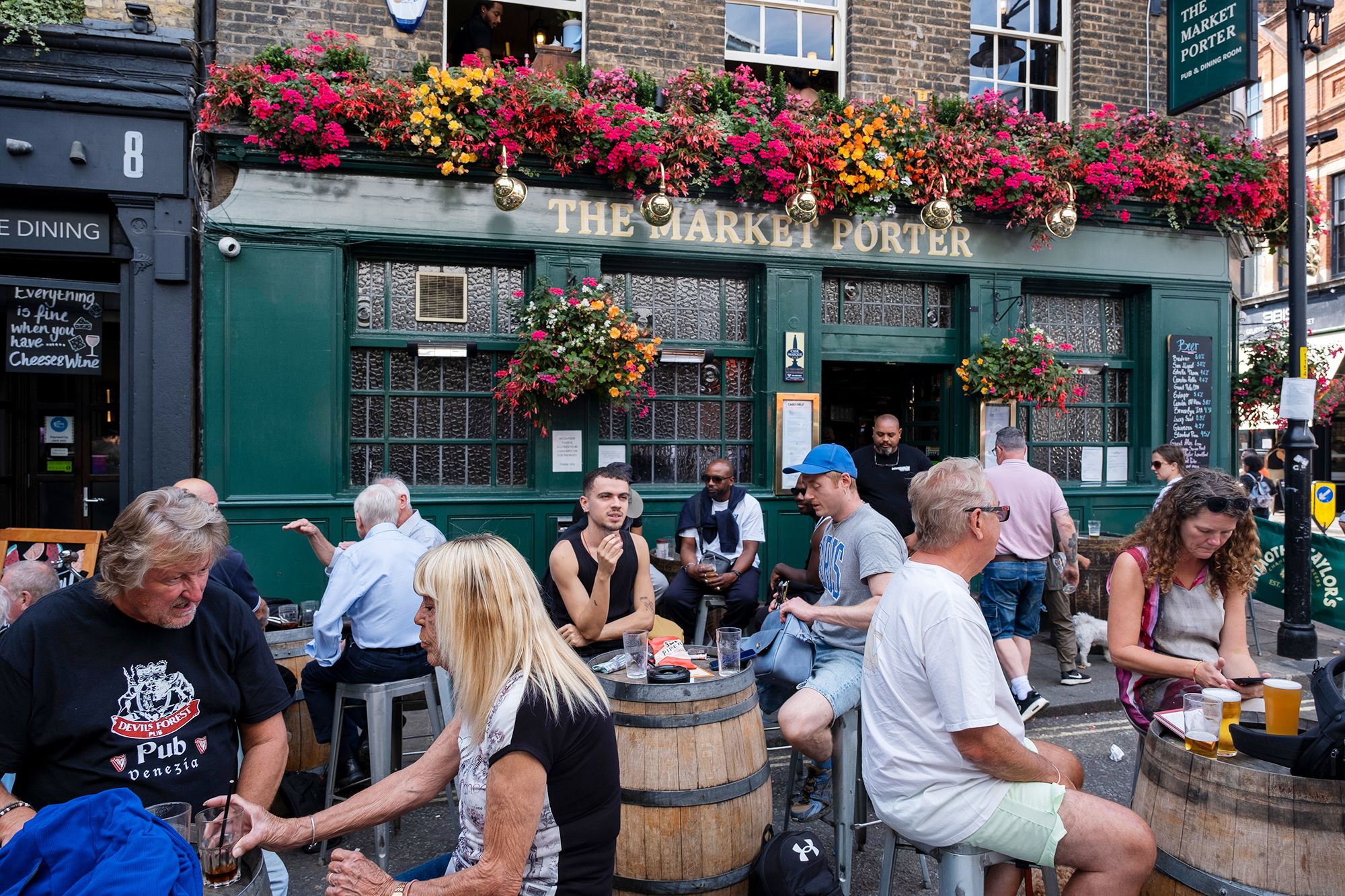
Traditional English pubs operate differently from sit-down restaurants, and understanding the system helps visitors enjoy the experience without confusion. Most pubs expect guests to place orders directly at the bar rather than waiting for table service. After finding a seat, browse the menu, then head to the counter to order drinks and meals. Staff typically hand you cutlery, condiments, or a table number, while food is delivered once prepared. This approach keeps service quick and informal, reflecting the pub’s role as a community gathering space rather than a full-service dining venue. Tipping isn’t obligatory, though rounding up the bill or leaving a small bonus is always appreciated. When ordering drinks, knowing the difference between ales, bitters, lagers, and ciders enhances the experience, as many pubs take pride in offering local selections. Families are welcome in most establishments until early evening, though policies vary, especially in rural areas. Queueing at the bar is common courtesy, and pushing ahead is frowned upon. During busier hours, be prepared for a lively atmosphere where conversations flow easily among locals. Understanding these customs ensures you feel comfortable, avoid accidental faux pas, and fully enjoy one of England’s most cherished social traditions.
Walking Is the Best Way to Explore Cities
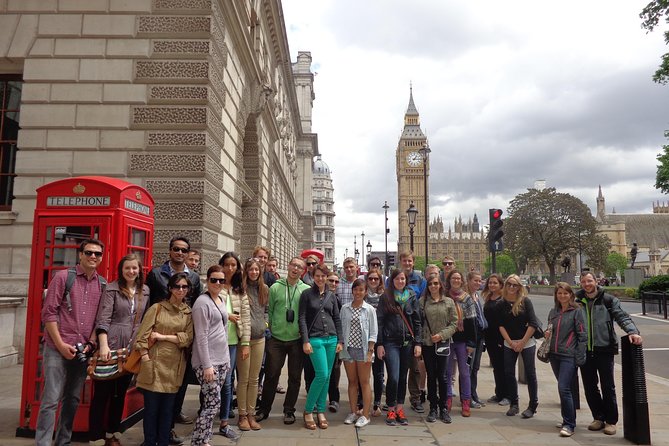
Historic layouts, compact centers, and pedestrian-friendly routes make walking one of the most rewarding ways to experience English cities. Many of the country’s most iconic attractions sit within close proximity, especially in cities like Oxford, Cambridge, Bath, York, and even central London. Streets reveal architectural layers spanning centuries, from medieval lanes to Georgian squares and Victorian boulevards. Exploring on foot gives you time to soak in details easily missed from a vehicle or fast-moving tour bus. Cobblestones, winding alleys, and hidden courtyards often lead to independent shops, centuries-old pubs, and lesser-known landmarks that never make guidebooks. Comfortable footwear becomes essential because distances sometimes feel longer due to uneven surfaces and occasional hills. Pedestrian crossings work efficiently, but always check both directions—roads don’t always run in predictable patterns. Many zones restrict cars entirely, creating vibrant walking districts filled with cafés and street performers. Public transport supports longer journeys, but walking lets you experience neighborhoods at your own pace while reducing travel costs. Weather may shift unexpectedly, yet wandering through parks, riverside paths, and historic quarters remains one of the most immersive ways to understand England’s urban character.
Prepare for Limited AC in Summer

Cooling systems in England differ significantly from what many visitors expect, especially those used to powerful air conditioning in hotels, shops, and public buildings. Because the climate has historically been mild, many older properties were never designed with AC in mind. Instead, natural ventilation, open windows, and portable fans handle warmer days. Heatwaves have become more frequent in recent years, but widespread retrofitting remains gradual. Travelers arriving during summer may find rooms warmer than anticipated, particularly in small boutique hotels, guesthouses, and heritage accommodations. Booking lodging with modern climate control helps avoid discomfort, though availability varies by region and price point. Public transport, especially trains, can also become warm during peak hours, though newer fleets offer improved cooling. Staying hydrated, wearing breathable fabrics, and opening windows during cooler evenings helps manage rising temperatures. While summer heat rarely reaches extremes found in other parts of the world, a few unexpectedly warm days can feel intense due to higher humidity and limited AC. Understanding this difference in infrastructure ensures you plan accordingly and avoid frustration when temperatures climb. A little preparation goes a long way in keeping your summer stay pleasant.
Expect Smaller Rooms and Bathrooms

Older architecture and dense urban centers mean accommodation sizes in England often differ from what travelers are accustomed to, particularly those from North America. Many buildings predate modern standards, resulting in compact layouts, narrow corridors, and uniquely shaped rooms. Even upgraded hotels sometimes work within structural limitations, which affects storage space, bathroom size, and overall room configuration. Boutique inns and historic guesthouses emphasize charm and character rather than expansive floor plans. Visitors occasionally misinterpret this as a downgrade when in reality it reflects the country’s architectural heritage. Efficient design solutions—such as wall-mounted storage, compact showers, and multi-purpose furniture—maximize available space. Chain hotels typically offer more standardized sizing, but rooms can still feel smaller compared to international counterparts. Understanding these differences helps set realistic expectations and prevents surprise upon arrival. When booking, reviewing floor plans or square footage measurements is helpful, especially if you’re carrying large luggage or prefer more open space. Despite their smaller footprint, many rooms remain comfortable, clean, and well-equipped, offering everything needed for restful nights after exploring. Embracing the layout helps you appreciate England’s blend of tradition, history, and modern comfort.
Sunday Closures Still Happen in Small Towns
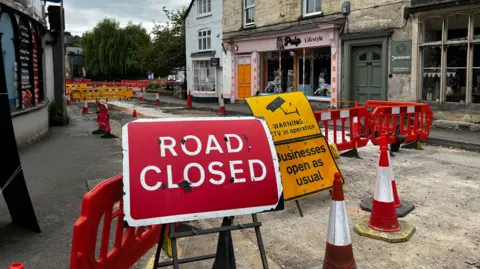
Travelers exploring smaller English towns may encounter quieter streets and limited services on Sundays, reflecting long-standing cultural habits and trading regulations. While major cities operate with extended weekend hours, rural communities often treat Sunday as a slower day dedicated to rest, family time, or church activities. Many independent shops, bakeries, and cafés open for reduced hours or remain closed entirely. Grocery stores may operate with shorter windows, and certain attractions run limited schedules. Visitors sometimes assume everything functions as it does in larger urban areas, leading to unexpected inconveniences when planning meals or shopping. Preparing ahead helps avoid disruption—stock up on essentials the day before and verify attraction hours before traveling. Public transport may also run less frequently, especially in countryside regions. Despite these limitations, Sunday offers a peaceful opportunity to wander local parks, riversides, and historic streets without crowds. Many pubs remain open, providing relaxed dining options where locals gather. Experiencing a slower pace reveals a different side of English life—one rooted in community rhythms and longstanding traditions. Knowing what to expect ensures smoother travel days and a deeper appreciation of local culture.
Don’t Count on 24/7 Food Availability

Visitors often assume that late-night meals or round-the-clock eateries are widely available, but England’s dining culture operates differently from many global cities. Outside central London, all-night restaurants are rare, and most kitchens close earlier than expected. Many pubs stop serving food around 8–9 p.m., even if the bar remains open for drinks. Independent restaurants typically keep fixed hours, and takeaways may close shortly after dinner rushes. Planning mealtimes helps avoid scrambling for options in unfamiliar neighborhoods. Larger cities offer more flexibility, yet the selection still narrows after midnight. Convenience stores provide snacks but often lack full meal choices. Railway stations and airports sometimes offer extended hours, though pricing may be higher. Understanding local dining habits helps you structure your day more effectively, especially when sightseeing runs long. Booking tables for popular restaurants is often necessary to guarantee availability during peak periods. For rural trips or scenic drives, packing light snacks ensures you’re never caught without something to eat. While food culture across England is diverse and vibrant, expectations around opening hours differ from places with nonstop service. Being mindful of these patterns leads to smoother travel days and fewer nighttime surprises.
Bring a Universal Adapter with UK Plug Type G

Electrical outlets in England use Type G plugs, distinguished by three rectangular prongs arranged in a triangular formation. Devices from many parts of the world will not fit without a proper adapter, making it an essential item to pack before your trip. A universal adapter with built-in surge protection ensures your electronics charge safely, especially when using laptops, phones, cameras, or travel appliances. Voltage also differs—England operates on a 230V system—so confirm your devices support dual voltage to avoid damage. Most modern electronics are compatible, but older items may require additional converters. Purchasing adapters upon arrival is possible, though airport and tourist-area prices are significantly higher. Bringing one from home avoids unnecessary expenses and ensures immediate access to charging. Hotel reception desks sometimes loan adapters, but availability varies and cannot be guaranteed. Carrying an extra adapter proves useful if you have multiple devices or travel with companions. Because outlets include individual switches, ensure each one is turned on after plugging in, a detail many visitors overlook. Having the right equipment keeps your devices powered throughout your journey and avoids disruptions when navigating maps, booking tickets, or capturing photos.
Queueing Is Serious Business

Orderly lines hold a special place in English social etiquette, and understanding this cultural norm helps visitors blend in smoothly. Whether waiting for buses, ordering at cafés, entering attractions, or shopping, the unwritten rule is clear: join the back of the queue and wait patiently. Cutting ahead or hovering too close to the front is considered impolite and often earns disapproving looks. Even busy train platforms maintain a sense of structure, with people naturally forming lines as doors approach. Locals value fairness, so respecting the order reinforces courtesy and avoids uncomfortable interactions. Queueing also applies in pubs, though the system works more subtly—bartenders serve in the order customers arrived at the bar, not based on who shouts loudest. A friendly acknowledgment, like a quick smile or nod, helps maintain the social rhythm. During peak travel periods, queues form for almost everything, making patience a practical skill. While the practice may feel formal to some, it reflects a cultural appreciation for cooperation and respect. Understanding these unspoken rules ensures smoother interactions and more pleasant experiences in daily situations, from transit hubs to tourist hotspots.
Explore Beyond London for the Real England
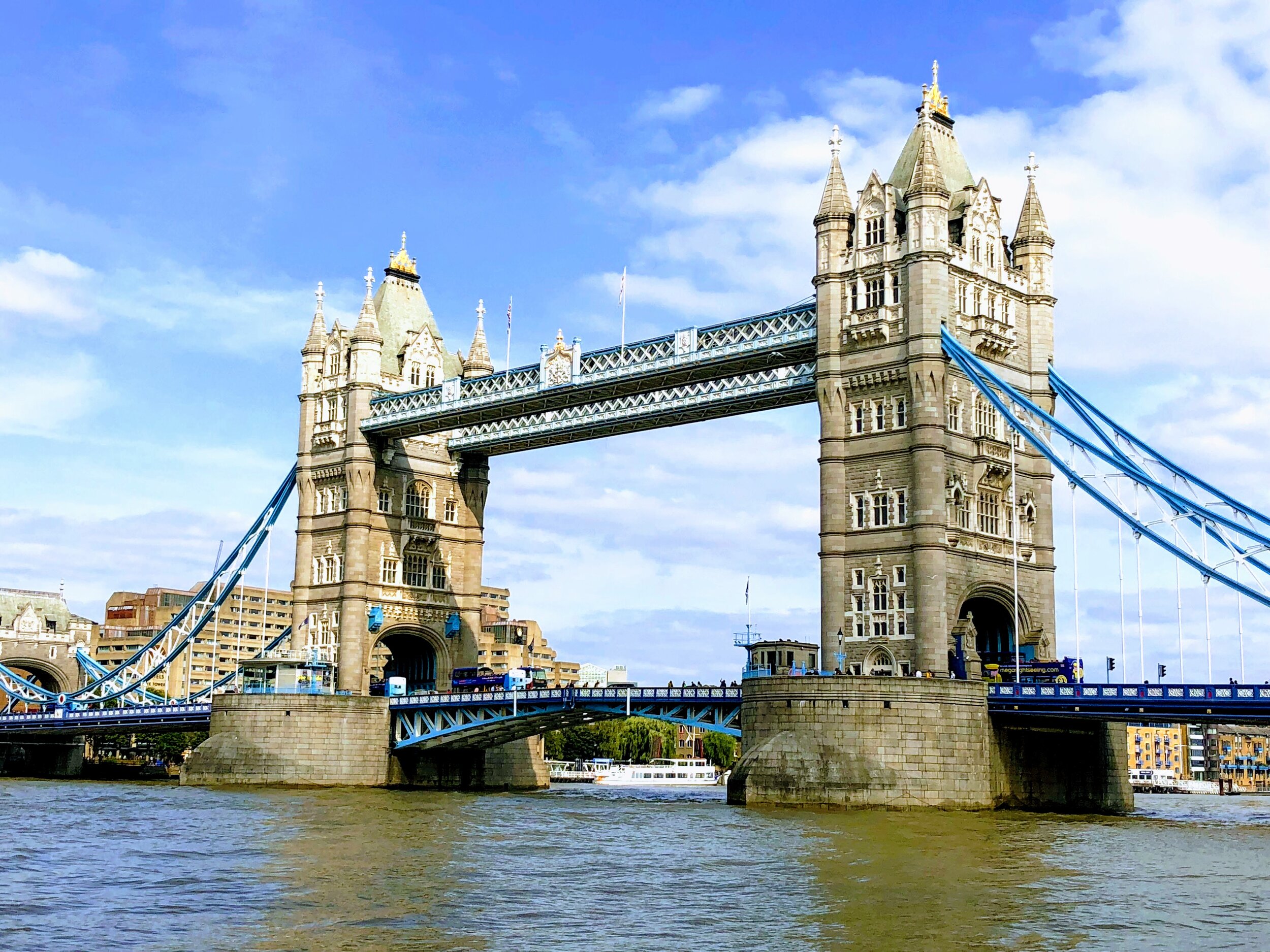
Venturing outside London reveals the country’s depth, heritage, and regional character far beyond what the capital alone can show. While London dazzles with world-class museums, iconic landmarks, and diverse neighborhoods, the charm of England truly emerges in its countryside, coastal towns, and historic cities. Places like York, Bath, and Canterbury showcase medieval streets, Roman influences, and centuries-old architecture. Rural regions such as the Cotswolds, Lake District, and Peak District offer rolling hills, stone cottages, and landscapes that inspired poets and painters. Coastal areas including Cornwall, Whitby, and Dorset highlight rugged cliffs, fishing villages, and scenic walking paths. Smaller towns reveal traditions, dialects, and local specialties that differ widely across regions. Public transport makes many destinations easily accessible, though renting a car provides added flexibility for remote areas. Exploring beyond the capital enriches your understanding of English history, culture, and community life, offering a balanced perspective on the nation’s identity. Whether you’re sampling regional foods, visiting market towns, or hiking through national parks, these experiences introduce a quieter, more authentic side of England. Expanding your itinerary ensures a more memorable and well-rounded journey.