
Snow-capped peaks, alpine lakes, and abundant wildlife make Grand Teton National Park one of the most awe-inspiring destinations in the American West. Planning a visit requires more than just scenic admiration — timing, gear, and local know-how can completely shape your experience. Whether hiking rugged trails, photographing sunrise over Jenny Lake, or spotting moose in the valleys, preparation ensures you make the most of every moment. This guide shares essential tips for visiting Grand Teton, helping travelers experience its breathtaking landscapes safely, efficiently, and with a deeper appreciation for this iconic Wyoming wilderness.
Choose Your Entry & Exit Strategically
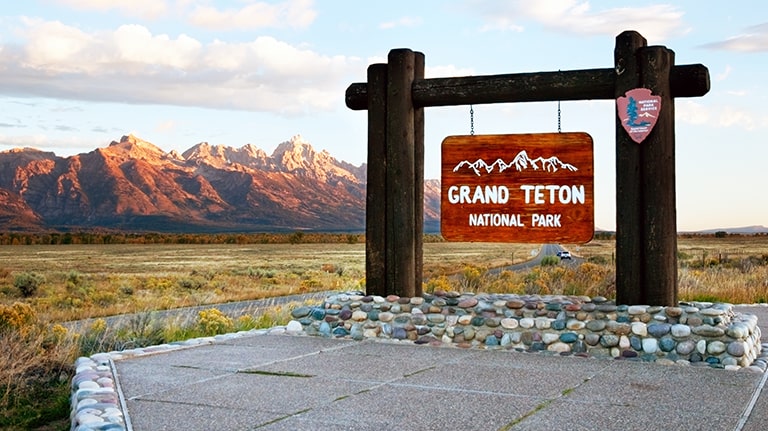
Planning your route through Grand Teton National Park makes a big difference in crowd levels and scenery. The park has multiple entrances—each offering unique views and access points. The Moran Entrance connects easily to Yellowstone, perfect for travelers visiting both parks. The Moose Entrance leads straight to the heart of Teton Range vistas, ideal for photographers chasing reflection shots at Schwabacher Landing. Those entering through Granite Canyon or Flagg Ranch often find lighter traffic and quicker access to trails. Consider the direction of your drive to optimize daylight for viewing wildlife or shooting photos. Entering early from the south and exiting north provides ideal lighting across major stops like Jenny Lake, Signal Mountain, and Jackson Lake Overlook. If traveling from Jackson Hole, plan your return to avoid evening backups near Moose Junction. Before your trip, review seasonal closures since some entry points close during winter. By mapping your path in advance, you’ll save time, reduce fuel use, and experience the Tetons at their most peaceful hours—making every stop along the journey feel intentional and unhurried, even in peak travel months.
Go Early or Stay Late for Wildlife Viewing
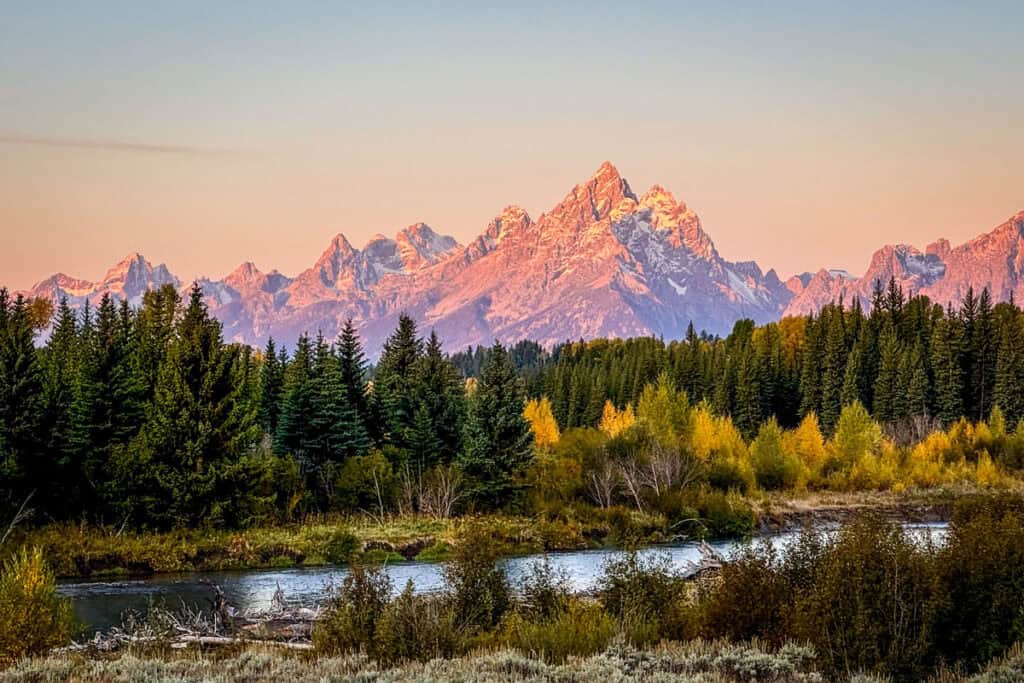
The magic of Grand Teton comes alive at dawn and dusk. Early mornings often reveal elk grazing in open meadows, moose feeding in ponds, and bison moving through the valleys under soft light. Arriving before sunrise helps avoid the heavy traffic that builds later in the day, giving photographers and nature enthusiasts clear views without crowds. Late evenings also reward patient travelers—wolves and bears are more active, and the Tetons glow pink in the alpenglow. Popular spots like Oxbow Bend, Willow Flats, and Antelope Flats deliver excellent wildlife activity during these golden hours. Dress warmly and carry binoculars, as temperatures drop quickly once the sun fades. Avoid loud noises, headlights, or flash photography to prevent disturbing animals. Rangers frequently patrol during prime hours to ensure visitors maintain proper distance from wildlife—keep at least 100 yards from bears and wolves, 25 yards from others. Timing your visit for these hours not only improves your chances of unforgettable encounters but also gifts you the serenity that makes Grand Teton feel untouched and timeless. The quieter atmosphere heightens the park’s natural beauty and your overall connection to its wild rhythm.
Reserve Your Spot or Plan for Alternatives
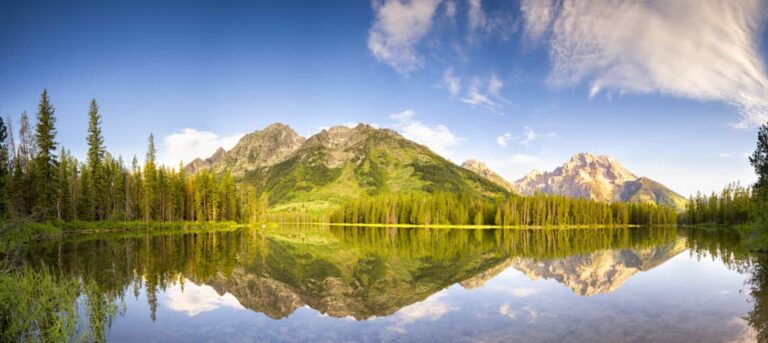
Accommodation in and around Grand Teton fills up months ahead, especially from June through September. Whether camping or booking a lodge, early reservations guarantee proximity to scenic areas like Jenny Lake, Colter Bay, or Signal Mountain Lodge. Online systems through the National Park Service open six months in advance—setting reminders ensures you don’t miss prime booking windows. If you arrive without reservations, keep backup options ready in Jackson, Teton Village, or Dubois, which provide access within short driving distances. Campers should explore Gros Ventre Campground or Lizard Creek for more availability. For spontaneous trips, dispersed camping outside the park in Bridger-Teton National Forest offers a peaceful alternative with remarkable views. Always check regulations before setting up camp. Weather and maintenance can cause sudden closures, so flexibility is key. Having a Plan B lets you adapt without stress and still experience all the highlights—from kayaking Jackson Lake to hiking Cascade Canyon. With demand increasing yearly, smart pre-planning ensures you spend your time exploring, not searching for a last-minute place to stay.
Pack for Sudden Weather Changes
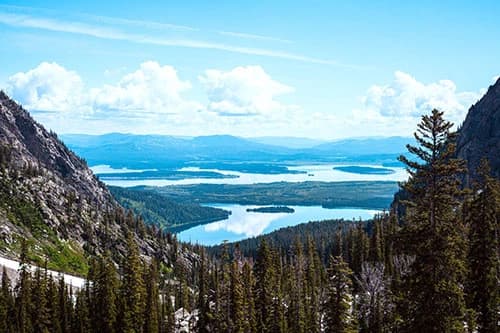
Grand Teton’s elevation and mountain climate mean conditions can change rapidly. Mornings might start sunny, but rain or snow showers can roll in by afternoon, even in summer. Layering is essential—light base layers, waterproof jackets, and insulated outerwear keep you prepared for shifting temperatures. Sturdy waterproof boots are crucial for trails that become muddy after rainfall. Don’t forget gloves, hats, and quick-drying socks. Carrying a compact poncho or rain cover for your pack protects electronics and maps. Afternoon thunderstorms are common between July and September, especially at higher elevations near Cascade Canyon or Paintbrush Divide—descend immediately if lightning approaches. Sunscreen and polarized sunglasses remain important even on overcast days due to strong UV reflection from lakes and snow patches. Bring reusable water bottles to stay hydrated as mountain air dries quickly. By preparing for every scenario, you’ll stay comfortable through unexpected changes and continue enjoying the trails safely. Smart packing allows you to focus on scenery instead of discomfort, ensuring every hike—from Taggart Lake to Hidden Falls—remains memorable no matter what nature throws your way.
Learn Bear & Wildlife Safety Protocols

Respect for wildlife defines a safe Grand Teton experience. The park is home to both black bears and grizzly bears, so knowing proper safety procedures is essential. Always carry bear spray within immediate reach—not buried in your bag—and learn how to use it effectively before hiking. Hike in groups and make noise on trails to avoid surprising animals. Secure food and scented items in approved bear boxes or inside vehicles, never in tents. Dispose of trash only in designated bear-proof containers. If you encounter a bear, stay calm—never run. Slowly back away while keeping eyes on the animal. For moose, elk, and bison, maintain a minimum distance of 25 yards; for bears or wolves, keep 100 yards. Rangers regularly post wildlife updates near trailheads, so check before entering dense areas. Always respect closure signs—these protect both you and the animals. Observing wildlife from a safe distance ensures you witness natural behavior without harm or risk. Understanding and following these protocols transforms your visit into a responsible adventure where both humans and animals coexist safely within the park’s pristine ecosystem.
Use Less-Crowded Trails Midday

Midday often sees heavy congestion at top attractions like Jenny Lake Loop or Hidden Falls, but venturing to less-traveled trails during these hours rewards you with solitude and scenic variety. Trails such as Phelps Lake Overlook, Two Ocean Lake, and Hermitage Point remain quieter, even in peak season. Starting your hike late morning lets the early rush clear while still providing ample daylight. These alternative paths lead through meadows, forests, and lakefronts rich with wildlife and alpine blooms. Carry sufficient water and snacks since amenities are limited outside main areas. Always let someone know your route and expected return time, as cell service can fade quickly. With fewer people, you’ll enjoy peaceful soundscapes—the rustle of aspens and distant bird calls rather than chatter and footsteps. Use this time to photograph reflective lakes or mountain silhouettes without interruption. Choosing midday for lesser-known routes helps balance crowd flow, preserves your energy for evening activities, and provides a more intimate connection to Grand Teton’s quieter side—an experience that feels both restorative and deeply personal amid vast wilderness.
Bring Meals or Snacks to Avoid Lodge Waits

Dining options inside Grand Teton National Park can become overcrowded during peak hours, particularly at Jenny Lake Lodge, Signal Mountain, and Colter Bay Village. Bringing your own food allows flexibility and saves valuable exploration time. Prepare sandwiches, trail mix, and fruits in reusable containers to minimize waste. Picnic areas near Jackson Lake Overlook, String Lake, and Cottonwood Creek offer panoramic views and peaceful atmospheres perfect for a meal break. Carrying energy bars and hydration packs also helps during long hikes like Cascade Canyon Trail or Death Canyon where facilities are distant. Keep perishables in coolers if traveling by car, and remember to store everything securely to avoid attracting wildlife. Avoid single-use plastics and follow park guidelines for waste disposal. By packing thoughtfully, you reduce dining delays, maintain steady energy, and gain the freedom to enjoy meals amid nature’s silence rather than crowded lodge settings. Plus, every picnic feels like part of the adventure—surrounded by lakes, peaks, and crisp mountain air that turns even a simple snack into a memorable moment under the Tetons.
Fly-in/Kayak Into Hidden Views
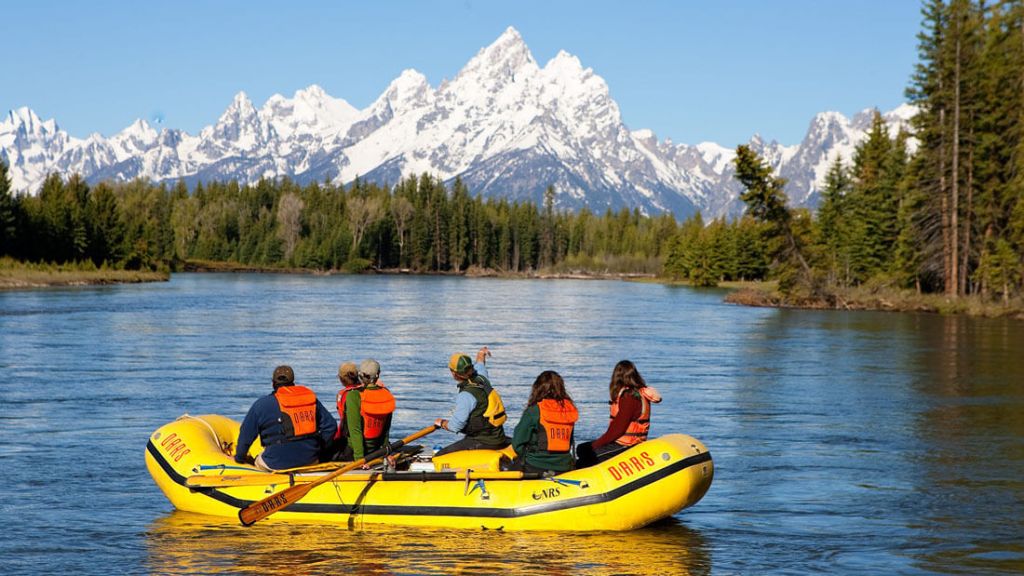
Exploring Grand Teton from unique vantage points offers breathtaking perspectives beyond typical overlooks. For adventurers, consider a scenic flight from Jackson Hole Airport—one of the few airports located inside a national park. The bird’s-eye view of Mount Moran, Jackson Lake, and the Snake River reveals the park’s vastness and glacier-carved beauty like no other. On the water, kayaking provides tranquil access to remote coves and islands unreachable by car. String Lake, Leigh Lake, and the shoreline near Signal Mountain are ideal for paddling without heavy boat traffic. Rentals are available in Colter Bay, or you can bring your own kayak with a permit. Early mornings offer glassy water and mirrored mountain reflections—perfect for quiet photography sessions. Always check wind and weather forecasts since sudden gusts can make open water challenging. Keep wildlife distance regulations in mind; osprey and beavers are frequently spotted near shorelines. These less-traveled routes turn sightseeing into immersive discovery—whether gliding silently across alpine waters or soaring above the Teton Range’s dramatic spine. Both experiences promise serenity, awe, and a sense of connection few park visitors experience from the main road pullouts alone.
Check Road & Trail Conditions Daily
:max_bytes(150000):strip_icc():format(webp)/TAL-how-to-get-there-GRANDTETONNP0424-8b350119eb774709b08cf163a79d4adb.jpg)
Weather and maintenance frequently change accessibility throughout Grand Teton, so staying updated on current conditions is vital for safety and time management. Before heading out, check the National Park Service (NPS) website or visitor center boards for closure notices or detours. Snow, rockslides, or bear activity can temporarily shut down trails like Cascade Canyon or Paintbrush Divide, while roads such as Teton Park Road occasionally close overnight in spring or early winter. The Signal Mountain Summit Road is particularly affected by ice and snow later in the season. Morning checks help you adjust plans before committing to long drives or hikes. Download offline maps since service drops in most backcountry areas. Rangers provide the most reliable updates, especially about backcountry permits and wildlife alerts. Carry a paper map as a backup and note fuel availability since gas stations within park limits are limited. Adapting to real-time conditions ensures your day unfolds smoothly without unnecessary backtracking. Those who plan ahead experience more of the park while avoiding frustrations that often derail unprepared visitors—making each hike and scenic drive productive, safe, and enjoyable even amid nature’s unpredictability.
Pick One Landmark Viewpoint for Sunrise or Sunset
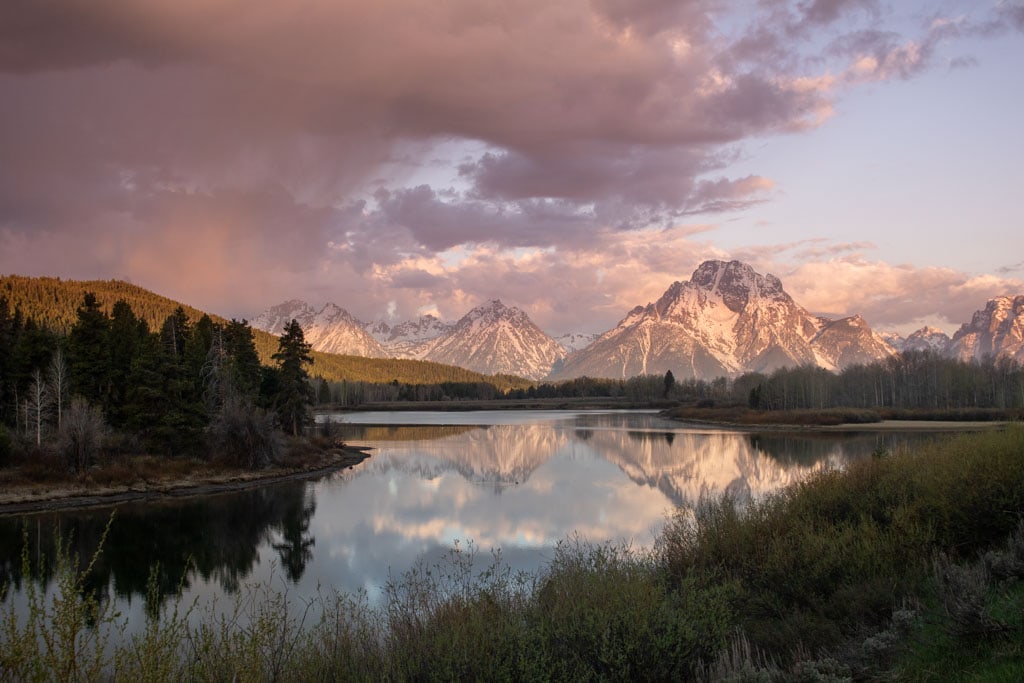
Grand Teton’s light changes dramatically throughout the day, making sunrise and sunset the ultimate moments to witness its grandeur. Selecting one key location ensures you experience it deeply rather than rushing between spots. Oxbow Bend glows gold at sunrise, reflecting Mount Moran perfectly across still waters. For sunset, Snake River Overlook—immortalized by Ansel Adams—offers unmatched views of the Tetons framed by winding rivers. Mormon Row Historic District also becomes magical at first light when bison wander through the fields. Arrive 30–45 minutes early to secure a good spot, especially in peak season. Bring layers, as temperatures can drop even in summer. A sturdy tripod helps capture long exposures as the colors shift from orange to violet. Avoid flashlights during the golden hour to preserve the ambiance for all photographers. Watching the alpenglow wash over rugged peaks creates a quiet, humbling pause in your journey—a reminder of nature’s power and peace. Focusing on one chosen viewpoint transforms your visit from sightseeing into a soulful experience that lingers far beyond your time in the park.
Respect “Leave No Trace” & Wildlife Habits
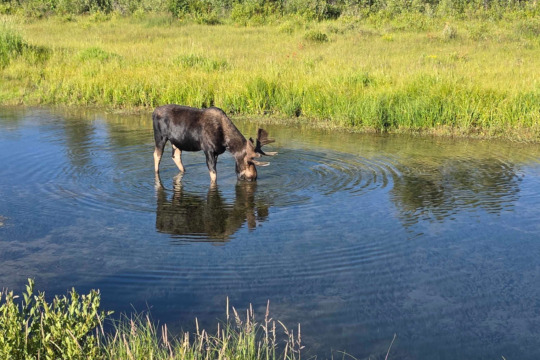
Preserving Grand Teton’s fragile ecosystem begins with mindful behavior. Follow the Leave No Trace principles—pack out every scrap, stay on designated paths, and never feed wildlife. Even biodegradable items like fruit peels disrupt animal diets and natural decomposition cycles. Keep noise levels low to protect nesting areas, particularly near Oxbow Bend, Leigh Lake, and Phelps Lake. Use established fire rings only, and ensure flames are fully extinguished before leaving. When photographing animals, maintain distance and never block their routes or disturb feeding grounds. Human interference can cause stress and alter migration patterns. Stay clear of meadows where moose and elk graze, and keep pets leashed at all times. Dispose of waste properly using bear-proof containers or take it back to your car. By practicing these habits, visitors help protect habitats, maintain water quality, and ensure future travelers experience the park’s wild beauty unspoiled. True appreciation comes from preserving—not altering—what makes Grand Teton extraordinary: its pristine silence, raw landscapes, and thriving wildlife that depend on human respect for balance.
Have a Flexible Buffer Day
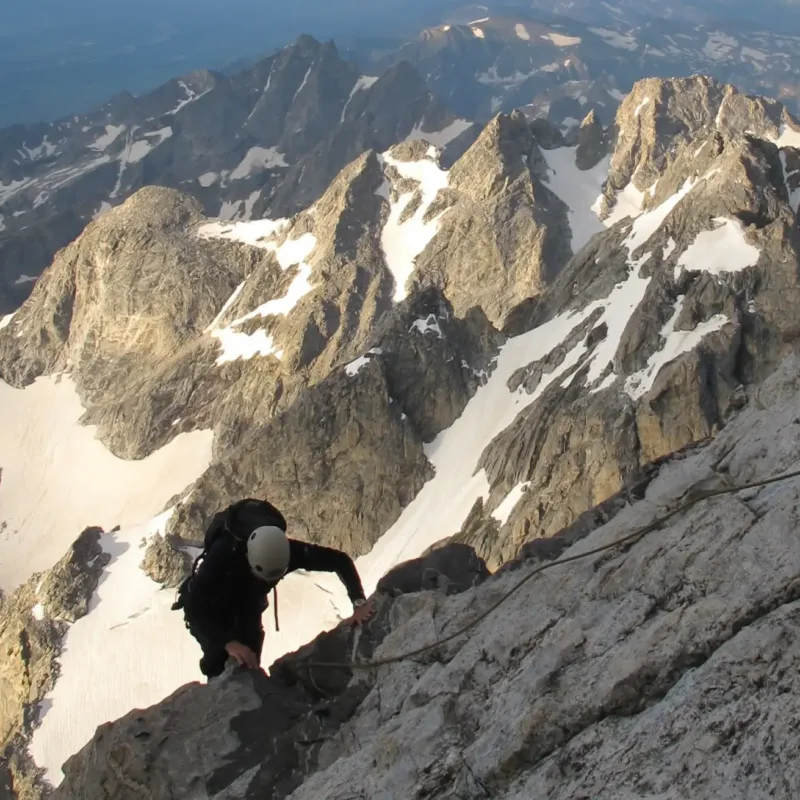
Unexpected weather, road closures, or spontaneous discoveries often alter plans in Grand Teton. Building one buffer day into your itinerary provides breathing space to adjust without losing experiences. Whether rain delays your Jenny Lake hike or fog obscures sunrise views, flexibility lets you pivot easily to museums, visitor centers, or scenic drives like Moose–Wilson Road. This route frequently reveals moose, bears, and herons when other plans fall through. Use downtime to explore Jackson Town Square, dine at local eateries, or browse wildlife art galleries. If skies clear unexpectedly, you can return for missed photo ops or enjoy kayaking on String Lake under ideal light. Having this margin transforms travel stress into spontaneity—you gain the freedom to slow down and truly absorb the park’s rhythm. Nature rewards patience, and a flexible schedule ensures you experience Grand Teton at its best, no matter what unfolds. Instead of racing a checklist, you’ll leave with moments that feel organic, serene, and personally meaningful—proof that sometimes the best adventures arise when plans gracefully change course.