
Hidden along Queensland’s Sunshine Coast, the Fairy Pools reward informed planning and respect for natural conditions. This guide explains how to reach the pools within Noosa National Park, outlining the coastal walk, tide timing, and safety considerations essential for a successful visit. Readers gain practical insight into access points, best seasons, and low-impact swimming practices that protect fragile rock pools. Clear logistics help avoid common mistakes linked to swell and weather, while photography and crowd-avoidance tips enhance the experience. Designed for beach lovers and day hikers, the information supports confident decisions, ensuring a memorable, responsible visit to one of Noosa’s most photographed natural features.
Choosing the Best Time of Day for the Fairy Pools
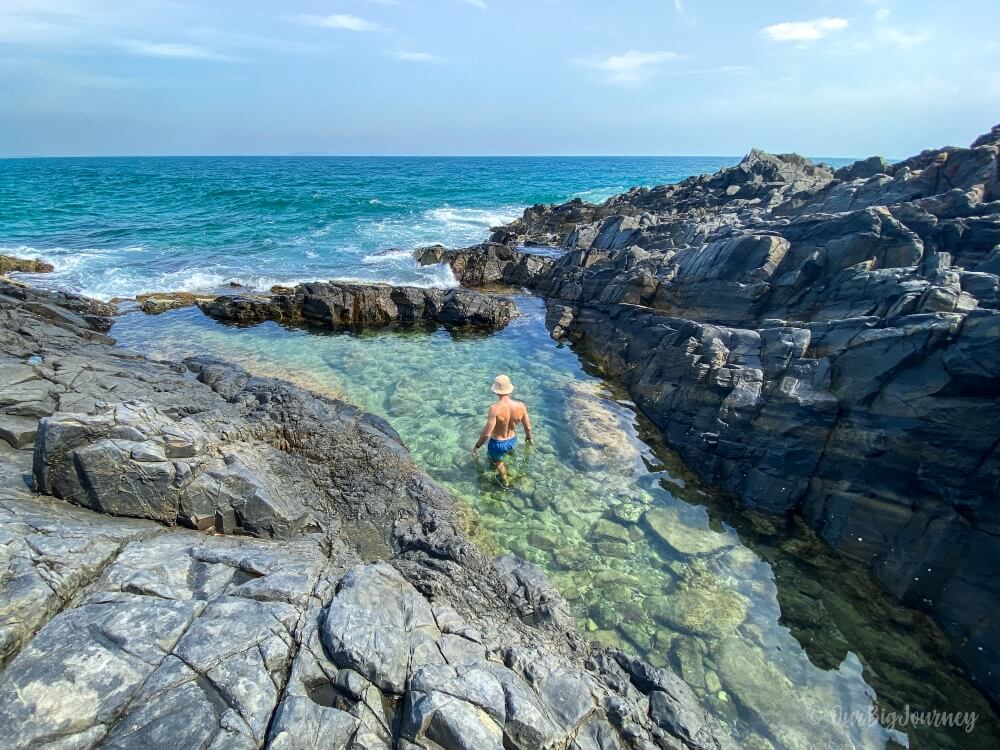
Early daylight hours offer the calmest and safest conditions at the Fairy Pools, particularly for first-time visitors. Morning visits often coincide with lighter winds, lower foot traffic, and improved water visibility, making the experience more relaxed and predictable. Heat levels remain manageable before midday, which reduces dehydration risk during the exposed coastal walk. Sun angles during early hours also soften glare across the rock platforms, helping visitors judge footing and wave movement more accurately. Late afternoon can be visually striking, yet shifting light and fatigue increase the likelihood of missteps on uneven stone. As the day progresses, ocean swells frequently intensify, especially during summer months, causing water to surge unpredictably into the pools. Wildlife activity, including seabirds and marine life, is more noticeable earlier in the day when human presence is minimal. For photography, morning light provides balanced contrast without harsh shadows, producing clearer results without rushing. Visiting earlier also allows flexibility if conditions change unexpectedly, giving time to retreat safely before tides rise or weather shifts. Planning arrival shortly after sunrise ensures both safety and enjoyment while reducing crowd pressure.
Understanding Tide Timing for Safe Pool Access
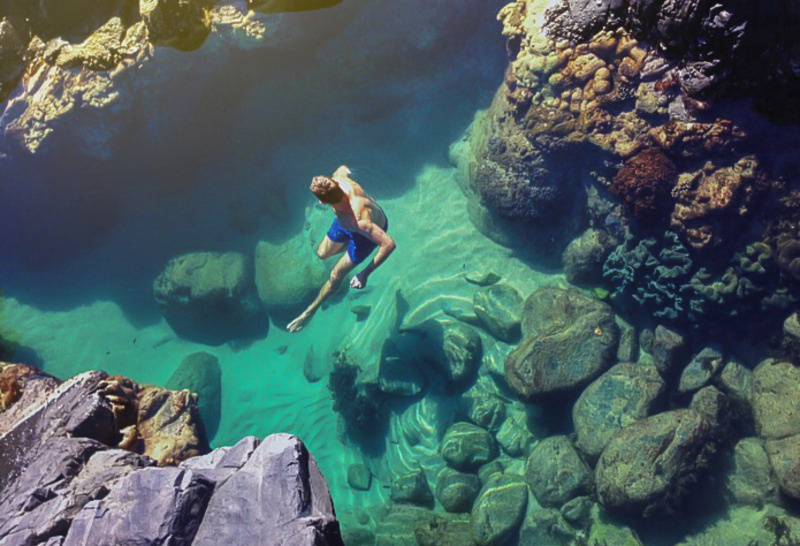
Ocean movement directly controls accessibility at the Fairy Pools, making tide awareness essential. Lower tides reveal more stable rock shelves, offering safer passage to the pools and clearer boundaries between calm water and active surf. Incoming tides gradually narrow standing areas, allowing waves to funnel forcefully through gaps in the rocks. Even experienced swimmers can misjudge this shift if timing is ignored. Checking local tide charts on the morning of the visit helps avoid dangerous surges that appear suddenly. Calm conditions during low tide often last only a short window, so punctual arrival matters. Swell direction also interacts with tide height, meaning moderate surf can feel far stronger when water levels rise. Visitors should observe wave patterns for several minutes before approaching the pools, watching for unexpected sets that break higher than others. Retreat paths must remain visible throughout the visit, as rising tides can isolate sections of rock. Understanding these dynamics prevents risky crossings and ensures return routes stay clear. Reliable tide planning transforms the experience from uncertain to controlled, allowing visitors to focus on scenery rather than safety concerns.
Finding the Correct Trail Entrance for First-Timers

Clear orientation at the trailhead significantly reduces confusion for newcomers to Noosa National Park. The primary access route begins near the coastal track entrances commonly used for Dolphin Point and Hell’s Gates walks. Signage along the main coastal path guides visitors gradually toward the rocky shoreline rather than directly to the pools themselves. Many missteps occur when walkers leave the marked track too early, leading to unstable cliffs or unsafe descents. Staying on the established coastal route until clear rock platforms appear prevents unnecessary scrambling. Foot traffic naturally increases closer to the pools, often revealing the correct descent points without guesswork. Maps available at park entrances or visitor centers help confirm location landmarks before departure. Mobile navigation should be treated cautiously, as signal strength fluctuates near cliff edges. Watching where experienced hikers exit the trail can also provide visual confirmation. Avoid shortcuts marked by erosion or loose gravel, as these areas indicate unsafe access points. Remaining patient and following recognized paths ensures arrival without injury or disorientation, particularly for those unfamiliar with coastal terrain.
What Footwear Actually Works on the Rocky Route
Stable footing determines comfort and safety along the rocky approach to the Fairy Pools. Footwear with firm grip and closed toes performs best on uneven stone surfaces exposed to saltwater spray. Trail shoes or lightweight hiking sneakers with rubber soles reduce slipping on smooth rock shelves. Minimalist sandals, flip-flops, and smooth-soled trainers often fail to provide traction, increasing fall risk. Wet algae patches form naturally on shaded rock, becoming dangerously slick under inadequate footwear. Shoes that drain quickly prevent discomfort if water splashes occur while crossing shallow channels. Heavy boots are unnecessary and may reduce balance on narrow sections of stone. Lightweight shoes allow quicker reaction to shifting water movement near the pools. Secure lacing keeps feet stable during descents and ascents across sloped rock faces. Barefoot walking may seem tempting but exposes feet to sharp barnacles and unstable surfaces. Choosing practical footwear minimizes fatigue, preserves control, and allows attention to remain on surroundings rather than footing. Reliable grip remains the most valuable feature when navigating this coastal terrain safely.
Packing Essentials for Heat, Sun, and Wind

Preparation for changing coastal conditions enhances comfort during the Fairy Pools walk. Sun exposure intensifies along the open headlands, making high-SPF sunscreen essential even on cloudy days. Lightweight hats and UV-protective clothing reduce heat strain without restricting movement. Hydration matters more than many expect, as shaded areas remain limited throughout the route. Carrying refillable water bottles prevents early fatigue during warmer months. Wind gusts increase near cliff edges, so compact windbreak layers help regulate body temperature when conditions shift quickly. Dry bags protect electronics from sea spray, particularly during periods of stronger swell. Energy snacks maintain stamina for the return walk, which often feels longer after swimming. Sunglasses reduce glare reflecting off rock and water surfaces, improving visibility and reducing eye strain. A small towel and spare clothing allow comfort after leaving the pools. Minimal yet purposeful packing avoids unnecessary weight while ensuring readiness for environmental changes common along the Noosa coastline.
Parking Strategies for Busy Weekends & Holidays

Vehicle access becomes challenging during peak travel periods around Noosa National Park. Early arrival remains the most reliable way to secure parking near main trail entrances. Popular lots along Park Road and surrounding access points fill quickly, often before mid-morning on weekends. Alternative parking further from the coast may require additional walking but reduces frustration. Public transport options into Noosa Heads can ease congestion, especially during school holidays. Shuttle services operate seasonally and provide direct access to trail areas without parking stress. Avoiding midday arrival prevents long waits and unnecessary circling for spaces. Local parking regulations are strictly enforced, so roadside stops outside designated areas should be avoided. Monitoring park updates or visitor advisories helps identify high-traffic days in advance. Planning departure times carefully also prevents delays when exiting crowded areas. Efficient parking preparation ensures energy remains focused on the walk rather than logistics.
How to Take Stunning Fairy Pool Photos Without Risk

Visual appeal draws many visitors to the Fairy Pools, yet safety must remain the priority while photographing. Stable positioning on dry rock surfaces reduces exposure to sudden wave surges. Maintaining distance from edges prevents slips caused by unexpected water movement. Wider lenses capture scale without requiring proximity to breaking waves. Observing ocean patterns before setting up shots allows anticipation of higher swells. Early daylight provides even lighting without harsh reflections that obscure detail. Tripods should be used cautiously and never near unstable edges. Avoid turning away from the ocean for extended periods, as conditions change rapidly. Photography partners can act as lookouts, alerting each other to incoming sets. Waterproof equipment protection guards against spray damage. Thoughtful positioning achieves dramatic images while preserving personal safety and environmental respect.
Swimming Tips for Deep, Surging, or Shallow Pools

Water depth varies significantly across the Fairy Pools, demanding awareness before entering. Calm, shallow sections suit relaxed floating, while deeper areas experience stronger movement during swell changes. Testing entry points with caution prevents misjudging submerged rock ledges. Strong swimmers should remain alert, as surges can shift direction suddenly. Remaining within visible pool boundaries avoids exposure to open surf. Entering only during calm conditions minimizes risk of being pushed against rock walls. Exiting promptly when water movement increases preserves safety. Never dive into pools due to unpredictable depth and submerged rock formations. Children and inexperienced swimmers should remain under close supervision at all times. Understanding pool behavior ensures enjoyment without unnecessary danger.
Navigating the Walk Back Before Dark

Return timing plays a crucial role in maintaining safety along the coastal route. Late departures increase difficulty as light fades over uneven rock sections. Starting the return with sufficient daylight allows clear footing and visual awareness. Fatigue often sets in after swimming, making balance more challenging. Headlamps are not recommended due to limited effectiveness on reflective rock. Tracking sunset times before arrival helps determine appropriate departure windows. Allowing buffer time accounts for slower walking pace on the return. Group coordination ensures no one falls behind as conditions change. Completing the walk before dusk reduces exposure to wind and cooler temperatures. Smart timing transforms the experience from stressful to controlled.
Alternate Spots if the Fairy Pools Are Too Crowded

High visitor numbers can reduce enjoyment at the Fairy Pools during peak seasons. Nearby coastal features within Noosa National Park offer quieter alternatives with similar scenery. Sheltered rock shelves along the coastal track provide calm viewing spots without crowd concentration. Tea Tree Bay and Granite Bay often deliver scenic ocean views suitable for relaxation. These areas maintain safer access points while preserving coastal atmosphere. Exploring lesser-known sections reduces congestion impact and protects fragile environments. Flexibility enhances overall experience while easing pressure on popular locations. Diversifying plans ensures satisfaction regardless of crowd levels.
Weather Patterns That Affect Water Clarity
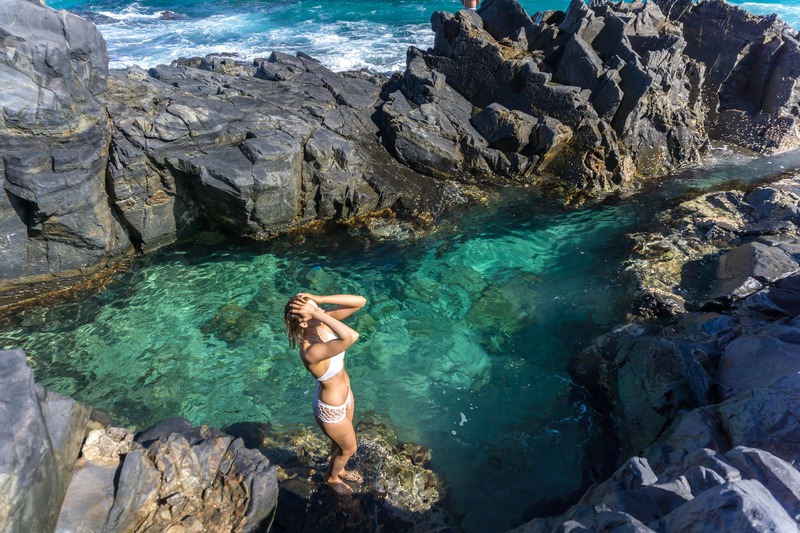
Water clarity fluctuates based on wind direction, rainfall, and swell size. Offshore winds typically improve visibility by smoothing surface conditions. Recent rainfall introduces runoff that clouds pool water temporarily. Larger swells stir sand and debris, reducing clarity even during calm periods. Monitoring weather forecasts helps identify optimal visiting windows. Clear mornings following dry days often present the best conditions. Seasonal patterns influence consistency, with winter months offering steadier clarity. Awareness of these factors improves timing decisions and expectations.
Sustainable Practices to Keep the Pools Protected

Environmental responsibility preserves the Fairy Pools for future visitors. Remaining on established paths prevents erosion of fragile cliff edges. Avoiding sunscreen runoff by rinsing before swimming reduces water contamination. All waste should be carried out, including food scraps. Touching marine life disrupts natural behavior and should be avoided. Respecting signage helps maintain safety and ecological balance. Limiting group size reduces surface wear on rock platforms. Conscious behavior ensures continued access while protecting this unique coastal feature.