
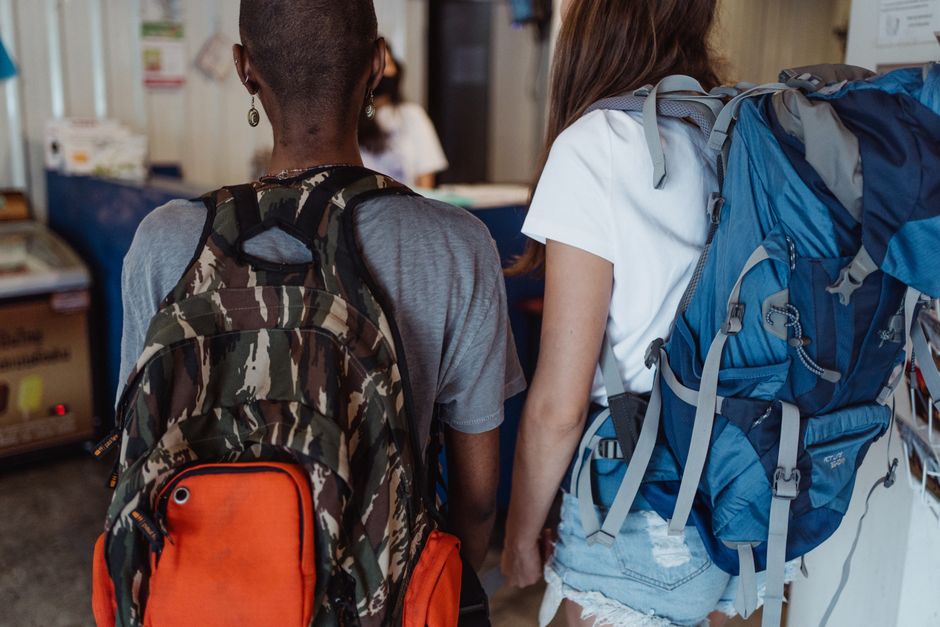
Embarking on your first backpacking adventure is an incredibly exciting prospect, but it can also feel overwhelming. To ensure your journey is as smooth and memorable as possible, these comprehensive travel tips for first time backpackers in 2026 are your go-to guide. Whether you dream of exploring ancient ruins, trekking through lush landscapes, or immersing yourself in vibrant cultures, proper preparation is key. This article will equip you with the knowledge to confidently step out of your comfort zone and into the world of independent travel.
Essential Travel Tips for First Time Backpackers: Planning Your Adventure
Before you even pack your bag, strategic planning forms the bedrock of a successful backpacking trip. For first-time backpackers, understanding the logistics can seem daunting, but breaking it down into manageable steps makes all the difference.
Budgeting for Your Trip
One of the most crucial travel tips for first time backpackers is to establish a realistic budget. This isn’t just about how much you have, but how you allocate it across flights, accommodation, food, activities, and emergencies. Consider the cost of living in your chosen destinations. Southeast Asia, for example, is generally more budget-friendly than Western Europe. Don’t forget to factor in travel insurance – a non-negotiable for any smart backpacker.
When it comes to booking, always compare prices. You can compare and book cheap flights with ease, often finding significant savings. For accommodation, hostels are a backpacker’s best friend, offering affordability and a chance to meet fellow travelers. You can secure stays on booking.com to suit your budget and preferences. For a more comprehensive approach, consider packages and cruises on expedia.com if your itinerary includes specific tours or cruises, such as a Caribbean cruise or a Europe cruise.
A good rule of thumb is to set aside 10-15% of your total budget for unexpected expenses. This buffer can be a lifesaver if you encounter delays, need medical attention, or simply want to splurge on an unforgettable experience.
Packing Smart and Light
The golden rule for first-time backpackers: pack less than you think you need. Your backpack will be your constant companion, so every ounce counts. Aim for a backpack size between 40-60 liters for longer trips, ensuring it’s comfortable to carry for extended periods. Focus on versatile, quick-drying clothing that can be layered. A packing list for first-time backpackers should prioritize essentials:
- Versatile Clothing: 3-5 tops, 2-3 bottoms, light jacket, rain shell.
- Footwear: Comfortable walking shoes/hiking boots and sandals/flips-flops.
- Toiletries: Travel-sized essentials (or buy locally).
- First-Aid Kit: Basic medications, bandages, antiseptic wipes.
- Documents: Passport, visas, copies, insurance details.
- Electronics: Phone, charger, universal adapter.
- Connectivity: An International Airalo eSim or eSIM mobile data plan for travel and business for seamless connectivity, or a physical SIM Card for traveling around the world.
Rolling your clothes tightly saves space and minimizes wrinkles. Consider packing cubes for organization. Remember, you can always buy things you need along the way, especially in major cities. For more in-depth planning, check out our Essential International Travel Guide.
On the Road: Practical Travel Tips for First Time Backpackers
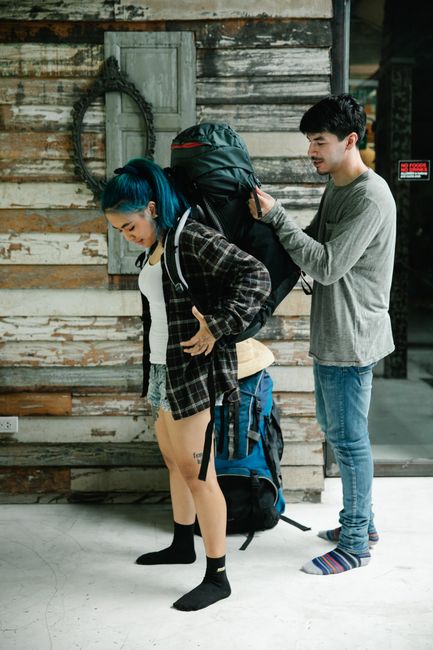
Once you’ve sorted your initial planning, the next set of travel tips for first time backpackers focuses on the practicalities of being on the move. Navigating new places, staying connected, and ensuring your safety are paramount.
Navigating Accommodation and Transport
Flexibility is a backpacker’s best friend. While it’s wise to book your first night or two in a new city, leaving subsequent bookings open allows for spontaneity. Hostels are perfect for meeting other travelers and often offer dorms or private rooms. Always read reviews before booking to ensure they align with your expectations regarding safety, cleanliness, and amenities.
For transport, researching local options is key. Buses, trains, and ride-sharing apps are often more economical than taxis. Overnight trains or buses can save you a night’s accommodation cost. Always keep your valuables secure and accessible, especially on public transport. For an even easier booking experience, consider our guide on how to book flights, hotels and a global eSIM in one place.
Staying Safe and Connected
Safety should always be a priority. Share your itinerary with family or friends back home, and check in regularly. Be aware of your surroundings, especially at night, and trust your gut instinct. It’s advisable to have a way to securely carry your passport and money, like a money belt or a hidden pouch. Avoid flashing valuables.
Staying connected isn’t just for social media; it’s vital for emergencies and navigation. An eSIM is incredibly convenient for this, allowing you to access data plans globally without swapping physical SIM cards. Services like Airalo and Yesim offer flexible data plans. Furthermore, comprehensive travel insurance is indispensable. Compare options to find suitable coverage that includes medical emergencies, trip cancellations, and lost luggage. Compare Visitors and Travel Insurance to find a plan that fits your needs.
Always keep important phone numbers (emergency services, embassy, travel insurance) readily accessible. Consulting official government travel advisories, like those from the U.S. Department of State, can provide valuable safety information for your destination.
Embracing the Experience: Mindset and Flexibility
Beyond the practicalities, a significant part of successful backpacking, particularly for first-time backpackers, lies in your mindset. Be open, adaptable, and ready for anything.
Cultural Immersion and Respect
One of the greatest joys of backpacking is experiencing different cultures. Take the time to learn a few basic phrases in the local language – a simple ‘hello’ or ‘thank you’ can go a long way. Research local customs and etiquette to avoid unintentional offense. Be open to trying new foods, participating in local traditions, and engaging with locals. This enhances your travel experience and shows respect for your host country. Remember, you can find incredible experiences worth traveling on GetYourGuide to truly immerse yourself.
Managing Unexpected Situations
Things will inevitably go wrong on a long trip. Buses will be late, you might get lost, or plans could change. The ability to remain flexible and problem-solve on the fly is a critical skill for any backpacker. Don’t let minor setbacks derail your adventure. View challenges as part of the experience and opportunities for growth. Having a positive attitude and a sense of humor will make these moments more bearable. Using an AI vacation planner can help you build flexible itineraries that account for these unknowns.
These travel tips for first time backpackers are designed to help you navigate the initial learning curve, allowing you to focus on the incredible journey ahead. By planning diligently, packing efficiently, prioritizing safety, and embracing the unexpected, you’ll create unforgettable memories. For more travel inspiration and practical advice, be sure to explore our travel stories and guides on iLikeToTrvl.com.
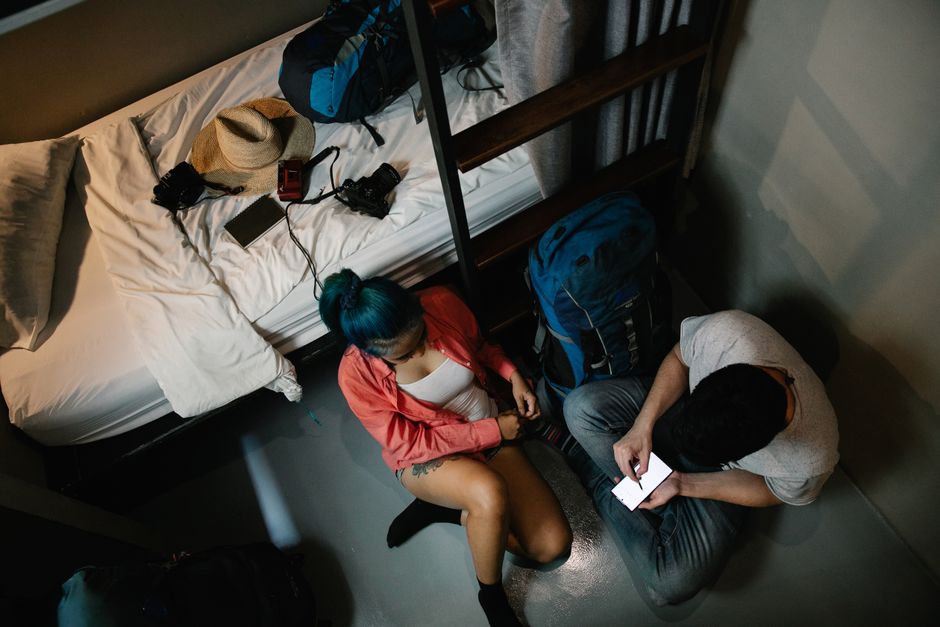
Frequently Asked Questions About Travel Tips for First Time Backpackers
What is the most important thing for a first-time backpacker to remember?
The most important thing for a first-time backpacker is to embrace flexibility and an open mind. While planning is crucial, unexpected situations will arise. Your ability to adapt, solve problems, and maintain a positive attitude will largely determine the quality of your experience. Remember that every challenge is an opportunity to learn and grow.
How much money should a first-time backpacker budget per day?
The daily budget for a first-time backpacker varies widely depending on the destination. In Southeast Asia, you might get by on $30-50 USD per day (including accommodation, food, and basic activities), while in Western Europe, this could easily jump to $70-100+ USD. Always research the cost of living for your specific destinations and factor in a buffer for emergencies.
What kind of backpack is best for first-time backpackers?
For first-time backpackers, a well-fitting internal frame backpack between 40-60 liters is generally recommended. Look for one with good lumbar support, adjustable straps, and multiple access points. Test it with some weight to ensure comfort before committing. A smaller backpack encourages you to pack lighter, which is always a bonus.
Is solo backpacking safe for first-time backpackers?
Solo backpacking can be very safe and incredibly rewarding for first-time backpackers, but it requires extra vigilance. Always inform someone of your itinerary, avoid walking alone at night in unfamiliar areas, and trust your instincts. Stay in reputable hostels, keep valuables secure, and be aware of common scams. Connecting with other travelers in hostels can also provide a sense of community and added safety.
Should I bring a physical map or rely solely on my phone?
While your phone with offline maps (like Google Maps or Maps.me) is incredibly useful, it’s highly advisable to have a backup. This could be a small physical map of the city or a downloaded PDF. Phones can run out of battery, get lost, or be stolen. Having a physical map ensures you can always navigate, especially if you find yourself in an area with no signal or power.