
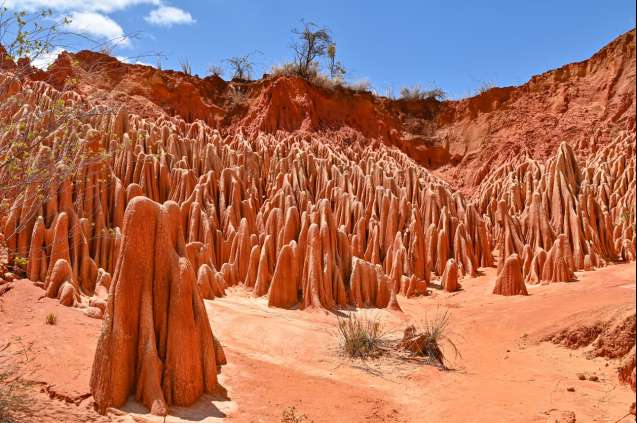
Rising from Madagascar’s northern landscapes, the striking sandstone formations of Tsingy Rouge create one of the country’s most unique natural wonders. Carved by erosion and shaped by centuries of wind and rain, these dramatic red pinnacles contrast vividly with the surrounding greenery, offering travelers a rare geological spectacle. Beyond their beauty, they symbolize the island’s remarkable biodiversity and cultural heritage. This Tsingy Rouge Madagascar Travel Guide highlights essential details, from how to reach the site to the best viewing times, ensuring visitors experience this breathtaking destination with practical insight and an appreciation for its extraordinary natural significance.
Erosion Sculptures & Geo-Layers

Centuries of natural forces have carved the Tsingy Rouge into fragile masterpieces of sandstone and laterite, layered in tones of crimson, ochre, and pale cream. Each formation represents distinct geological eras, with iron-rich soil blending with clay and silt to produce striking contrasts. These sculpted pinnacles and towers shift subtly over time, making every visit unique. Visitors walking among these fragile structures gain insight into Madagascar’s evolving landscape, where erosion itself becomes an artist. The delicate layers highlight why preservation and mindful tourism remain essential here.
Best Times for Soft Light & Shadows

Morning and late afternoon hours reward travelers with the most dramatic scenery at Tsingy Rouge. When the sun sits low, shadows fall across the pinnacles, deepening the ridges and highlighting every carved edge. The red and orange tones glow brightest during these times, producing photographs with depth and texture. Midday light often feels harsh, flattening the details and muting colors. Seasonal variations matter too—clear skies in the dry season heighten visibility, while hazier months add atmospheric layers. Careful timing ensures both comfort and visual rewards.
Access & Road RN6 Approach Tips
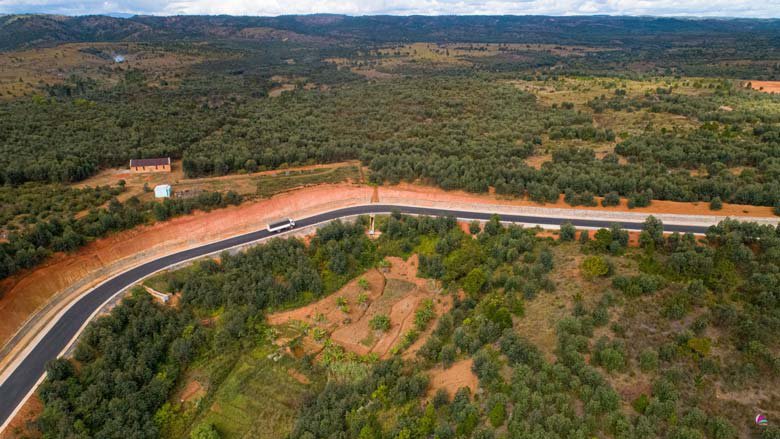
Traveling toward the Tsingy Rouge typically begins along Madagascar’s RN6 highway. The route from Antsiranana (Diego Suarez) to the site requires leaving the paved road for a rugged dirt track. This section can challenge even experienced drivers, particularly during or after rain. Four-wheel drive vehicles are strongly recommended. Travel agencies in Diego Suarez often provide guided day trips, which simplify navigation and avoid roadside issues. Self-drivers should bring spare tires, fuel, and plenty of water. Allow extra time, as the final approach can be slow and bumpy.
Local Village Homestays Nearby

Communities around the Tsingy Rouge welcome travelers seeking cultural immersion alongside natural wonders. Small village homestays offer basic but authentic accommodations, where meals are home-cooked and sourced locally. Guests often find themselves dining on rice, cassava, and seasonal vegetables while engaging with Malagasy traditions. Staying in a homestay supports community-based tourism, ensuring revenue benefits local families directly. While comfort levels differ from hotels, the opportunity to exchange stories and learn about rural livelihoods adds depth to the visit. Advance arrangements help secure availability.
Weather & Rain Season Impacts
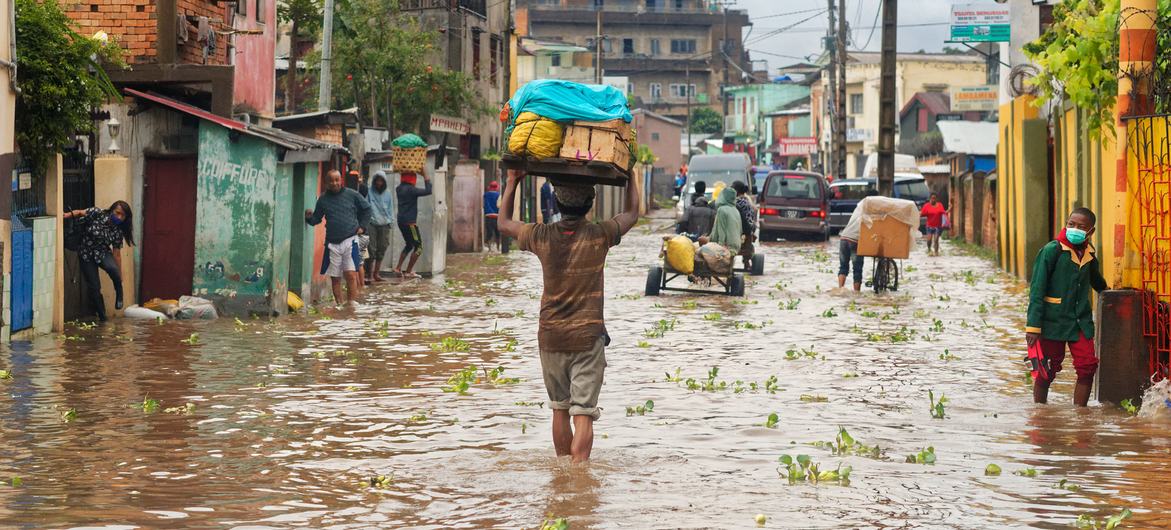
Climate plays a major role in shaping both the landscape and visitor experience at Tsingy Rouge. The rainy season, typically December to March, intensifies erosion, sometimes reshaping formations within months. Access roads can become muddy, making travel nearly impossible at times. The dry season, April to November, offers easier conditions, clearer skies, and more predictable temperatures. However, midday heat can be intense in open areas. Understanding these seasonal patterns allows travelers to plan visits safely while appreciating how rain and sun continually sculpt this fragile terrain.
Photography Points: Drone-Legal & Rules
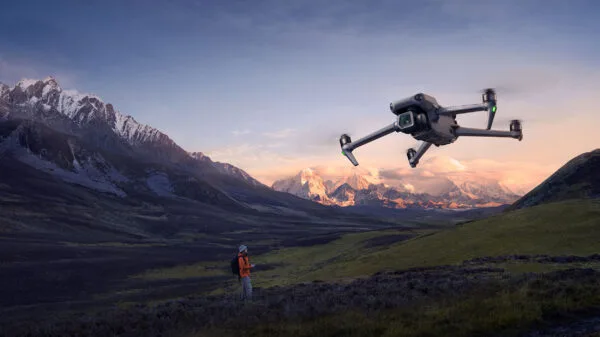
Photography enthusiasts find endless opportunities at Tsingy Rouge, with drone use permitted under specific guidelines. Operators must respect altitude limits, avoid flying too close to formations, and never disturb local communities or wildlife. Wide aerial shots highlight the vast expanse of layered pinnacles and contrast against green valleys. On-the-ground perspectives remain equally valuable, with close-ups of erosion textures and side-lit ridges. Always check current local rules, as drone regulations may shift. Carry extra batteries, since charging options near the site are extremely limited.
Riverbank & Hiking Path Dangers
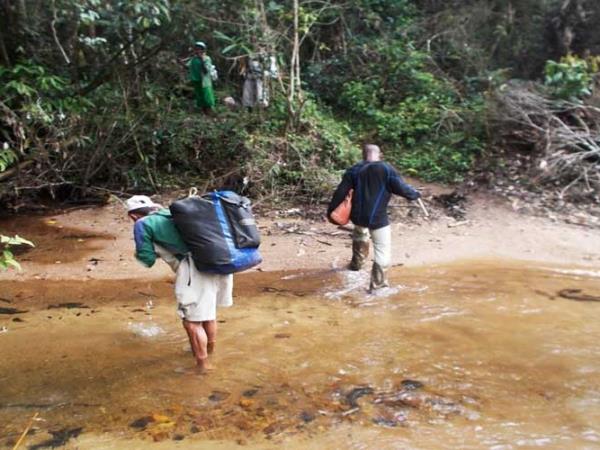
Visitors exploring beyond main lookouts should remain cautious. The riverbank surrounding Tsingy Rouge can be unstable, particularly after rainfall when soil turns slick. Footpaths, though marked, sometimes narrow unexpectedly, leading to steep drops or loose ground. Good hiking shoes with grip are essential. Traveling with a local guide reduces risks, as they know which trails remain safe depending on the season. Visitors should also bring sufficient water and sun protection, since shaded areas are scarce. Respecting the fragile landscape avoids both accidents and unnecessary damage.
Combining Tsingy Rouge + Other Northern Gems
Travelers often pair a visit to Tsingy Rouge with other attractions in northern Madagascar. Amber Mountain National Park, known for waterfalls and rare chameleons, lies within reach and offers a contrasting green backdrop. The dramatic Ankarana Reserve, with its sharp limestone tsingy, provides another geological counterpoint. Coastal destinations such as Ramena Beach or Emerald Sea add marine diversity to an itinerary. Combining these sites ensures a richer exploration of Madagascar’s varied landscapes. Planning routes carefully saves travel time and maximizes exposure to the region’s natural wonders.
Wildlife & Birdlife Around the Laterite Formations

Though the Tsingy Rouge itself is primarily geological, the surrounding valleys host a surprising array of wildlife. Birdwatchers may spot Malagasy kestrels circling above or small passerines nesting in shrubs nearby. Chameleons and other reptiles inhabit the undergrowth, camouflaging among grasses. While not as biodiversity-rich as nearby rainforests, the site still showcases how species adapt to arid, open environments. Guides familiar with local ecology often help spot animals that casual visitors overlook. Observing both landscape and wildlife together highlights the interconnectedness of Madagascar’s ecosystems.
Sunset Palette & Color Variations

Late afternoon transforms the Tsingy Rouge into a living canvas. As the sun lowers, layers of red, orange, and pink shift in intensity, creating a palette that changes minute by minute. The formations seem to glow from within, contrasting sharply with deepening blue skies. Photographers often linger until twilight to capture this fleeting vibrancy. Shadows stretch longer, accentuating pinnacles and valleys with greater drama. Unlike sunrise, which is softer, sunset showcases the formations at their boldest. This spectacle remains a highlight for visitors timing their stay accordingly.
Conservation Challenges: Erosion, Visitor Impact

Fragility defines the Tsingy Rouge landscape. While erosion created these formations, unchecked human activity accelerates their degradation. Foot traffic on delicate edges risks collapse, while off-path wandering damages vegetation anchoring the soil. Seasonal rains already reshape formations at a rapid pace, and climate shifts may intensify this. Local authorities encourage sustainable tourism, including marked trails and guide-led visits. Supporting conservation funds ensures maintenance of access while preserving integrity for future generations. Education on responsible conduct remains key to balancing access with protection of this rare environment.
Practical Essentials: Permits, Costs, Guide vs Solo Visits
