
Glass panels stretch between sandstone cliffs, leaving nothing but air and a dizzying drop beneath your feet. Suspended 980 feet above Zhangjiajie’s dramatic canyon, China’s record-breaking glass bridge redefines what it means to experience nature. This isn’t just for thrill-seekers—it’s a bucket list landmark fusing architecture, engineering, and jaw-dropping scenery. Whether you’re capturing panoramic views, confronting your fear of heights, or planning the best time to visit, preparation is everything. This guide breaks down how to get there, what to expect, and insider tips to make the most of this unforgettable walk above the clouds in one of China’s most iconic parks.
Early-Morning Opening Bridge Walk

Stepping onto the Zhangjiajie Glass Bridge during its earliest time slot reveals a tranquil scene most visitors miss. Before crowds gather and the mid-morning sun heats the sky, the canyon beneath stretches quietly into misty oblivion. With cooler temperatures and softer lighting, this timing offers the best conditions for photography, especially for capturing the ethereal landscape hovering beneath your feet. Visitor footfall remains minimal during opening hours, making the walk feel more personal and less congested—ideal for those seeking uninterrupted views and a calm atmosphere.
Ticket lines move swiftly at this hour, and staff are fresh, offering helpful guidance for first-timers navigating the bridge’s entrance protocols. Nearby vendors also begin their day, giving you the chance to grab a fresh baozi or herbal tea before the walk. The surrounding peaks catch the rising light just right, lending an almost cinematic quality to the entire experience.
Photographers and early risers often claim this slot as the optimal time for dramatic long-exposure shots, as the glass panels are still clean from the previous day’s wipe-down. For travelers hoping to maximize peace, clarity, and photo potential, setting the alarm early pays off. It’s not just a view—it’s a serene, high-altitude memory in the making.
Weekday Afternoon Low-Crowd Slot

Midweek afternoons offer a surprisingly underrated time to visit the Zhangjiajie Glass Bridge. While weekends can bring dense tour groups and shoulder-to-shoulder photo queues, weekdays—especially Tuesday through Thursday—tend to be quieter, particularly after the lunch rush. The sunlight is stronger but the crowd density drops significantly, allowing more room to move freely and absorb the glass bridge’s staggering vertical views.
This time slot also gives late-rising travelers a break from the pressure of early alarms without sacrificing the quality of their visit. Local school groups and most Chinese domestic tours typically visit in the morning, meaning that post-2 p.m. timeframes are left mostly to independent travelers. The result is a less chaotic, more spacious experience.
Shadows cast from the cliffs below deepen by afternoon, adding contrast to your bridge photos. Vendors at nearby rest areas often offer discounts on snacks and souvenirs toward the day’s end, making it a budget-friendly time as well. While heat can still linger in warmer months, the canyon breeze remains active enough to keep things comfortable.
If you’re seeking that sweet spot of visibility, manageable foot traffic, and steady light, aim for a midweek afternoon walk—it delivers the bridge’s drama without the pressure of the crowd.
Polarizer Tip for Glass Reflection Shots

Glare from the glass panels can quickly ruin an otherwise breathtaking photo of Zhangjiajie’s vertical drop. That’s where a circular polarizer filter becomes a game-changer for DSLR and mirrorless shooters. This simple lens attachment reduces surface reflection on the glass floor, allowing your camera to capture the dramatic canyon drop and distant peaks with crisp clarity—without being marred by sky glare or your own shadow.
The key is adjusting the polarizer angle by slowly rotating the filter while composing the shot. As you turn it, you’ll notice a dramatic difference in how much you can see through the glass. Reflections fade, revealing the sheer depth beneath your feet—especially useful for overhead shots of the canyon floor or steep drop visuals.
For smartphone photographers, clip-on polarizer lenses provide a similar effect and are widely available online. Pair that with manual focus or a third-party app that lets you control exposure, and your mobile shots can easily rival professional setups. Shooting during strong daylight enhances the effect, making midday the best time to leverage this tool.
Whether you’re aiming for a viral Instagram post or personal photo keepsakes, the polarizer helps translate the bridge’s vertigo-inducing spectacle exactly as your eyes see it—minus the distraction.
Hydrating Pre-Walk Essentials

Staying properly hydrated before stepping onto the Zhangjiajie Glass Bridge is essential—especially in warmer months when temperatures rise quickly and there’s minimal shade along the structure. The high-altitude setting and physical effort required to reach the bridge entrance (often involving stairs or shuttle walks) can lead to rapid fluid loss before you even begin the scenic portion.
Pack a lightweight reusable water bottle and fill it at designated hydration stations located near the visitor center or shuttle base before ascending. Electrolyte packets can also be helpful for maintaining energy and avoiding dizziness, which is crucial when walking on transparent surfaces suspended hundreds of meters above ground.
Avoid sugary sodas or excessive caffeine before the walk, as these can cause dehydration or jitteriness—both unwelcome on a glass floor that already tests your balance. For those sensitive to altitude changes or prone to motion sickness, consider carrying motion-relief tablets or ginger chews in your daypack.
Many overlook how physically demanding this scenic spot can be, especially under direct sunlight. Ensuring your hydration levels are on point not only keeps fatigue at bay but also enhances your ability to focus, enjoy the scenery, and tackle the rest of the day’s adventure itinerary with ease.
Clip-On Phone Tripod POV Capture
Capturing a smooth, steady walk across the Zhangjiajie Glass Bridge is easier with a clip-on phone tripod, especially if you’re aiming for a dynamic point-of-view video. This compact tool attaches directly to your phone and fits snugly into waistbands or backpack straps, keeping your hands free while recording the glass-bottomed journey in cinematic style.
Many tripod models also include wireless Bluetooth shutter buttons, allowing you to trigger photos or start recording without touching your screen—perfect for wide-angle walking footage or vertical vlogging. Ensure your phone is mounted with the camera facing outward and downward to highlight the canyon’s vertiginous drop beneath your steps.
Try to avoid fast walking or sharp turns during the recording, as shaky movements reduce the immersive effect. Slower, deliberate pacing works best to convey the height and scope of the view.
For added stabilization, look for mini tripods with built-in gimbals or vibration dampeners. These enhance smooth motion even while moving across uneven sections of the bridge. Pausing occasionally at reinforced sections allows for safer composition tweaks and sweeping landscape pans.
Using a compact POV setup transforms your bridge experience into share-worthy footage that actually does justice to the surreal altitude and dramatic glass illusion.
Route B Ticket: Bridge + Canyon Hike
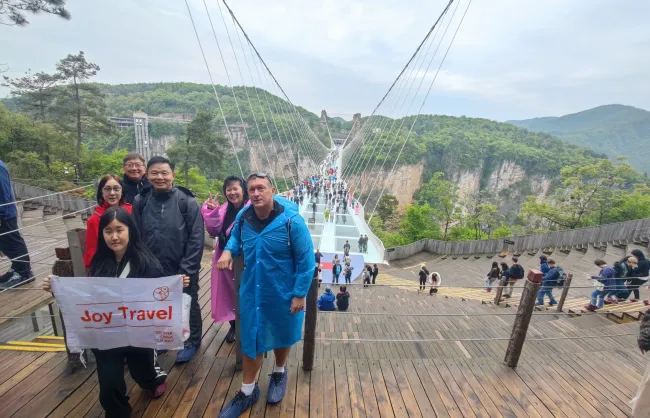
Opting for Route B unlocks a full-circle experience that goes beyond the glass bridge itself. This combo ticket includes access to the high-altitude walkway and a guided descent into the lush Grand Canyon trail system below. Ideal for those seeking a full-day nature encounter, Route B bridges architectural marvel and rugged terrain into one seamless itinerary.
After experiencing the bridge’s transparent thrill, the route winds into a canyon path filled with turquoise streams, wooden boardwalks, and vertical limestone cliffs. Descending via stairs or elevator, visitors follow a scenic trail dotted with rope bridges, waterfalls, and photo platforms that showcase the area’s raw beauty from the valley floor.
Trail conditions are well maintained, though proper walking shoes with good grip are essential. Allow at least 2–3 hours to fully appreciate the hike and reach the exit shuttle. Stamina is required, but benches and shaded rest stops are available throughout.
For adventurers wanting more than a quick photo op, Route B delivers a physical challenge wrapped in cinematic scenery. It’s a rare chance to experience the full vertical scope of Zhangjiajie’s canyon landscape—first from above the clouds, then eye-level with its emerald heart.
Midday Heat-Avoidance Glacier Shade

Temperatures soar fast on the glass bridge, particularly between noon and 2 p.m. During these peak hours, the sun’s angle can turn the transparent panels into a reflective heat trap. One smart way to counter this is by seeking refuge in the glacier-like shade beneath cliff overhangs or forested rest areas just before or after the bridge.
Several shaded alcoves line the canyon entry path, offering cool reprieve and a chance to rehydrate. These are prime spots to cool down while waiting for optimal light changes, especially if you’re pacing your bridge walk for photo conditions. If you’re hiking the Route B canyon section, sections of the lower trail remain naturally shaded by towering canyon walls—creating a noticeable drop in temperature.
Light-colored clothing, breathable fabrics, and wide-brimmed hats help reduce heat fatigue during midday exposure. Visitors prone to sun sensitivity should pack mineral-based sunscreen and avoid overexertion until later in the afternoon when shadows stretch and wind currents increase.
Balancing your schedule with rest in these cooler zones allows for a more comfortable, safe bridge experience. It’s not just about surviving the heat—it’s about enjoying every elevated moment without the haze of overheating or fatigue.
Post-Bridge Via Ferrata Challenge

Thrill-seekers looking to level up from walking a glass floor can try the canyon’s nearby via ferrata—an iron-rung climbing route secured along a vertical cliff face. Positioned after the bridge exit and accessible with advance booking, this adventure demands physical endurance but rewards climbers with unreal views and adrenaline-fueled memories.
Harnessed into a permanent steel cable system, participants ascend using ladders, steps, and natural rock holds, all while clinging to the exposed cliff walls. Safety equipment is provided, including helmet, harness, and gloves, and guides give a mandatory briefing before the climb begins.
While no prior climbing experience is required, a basic level of fitness is essential. The path includes traverses with 200-meter drop views and tight ledges—not for the faint of heart. The experience takes around 90 minutes and ends near a scenic lookout point rarely reached by casual tourists.
This isn’t just a detour—it’s a bold way to immerse yourself in the vertical world of Zhangjiajie. For those wanting to push past passive sightseeing and earn panoramic bragging rights, the via ferrata delivers the ultimate edge-of-the-world rush.
Star-Gaze Near Canyon Rim at Dusk
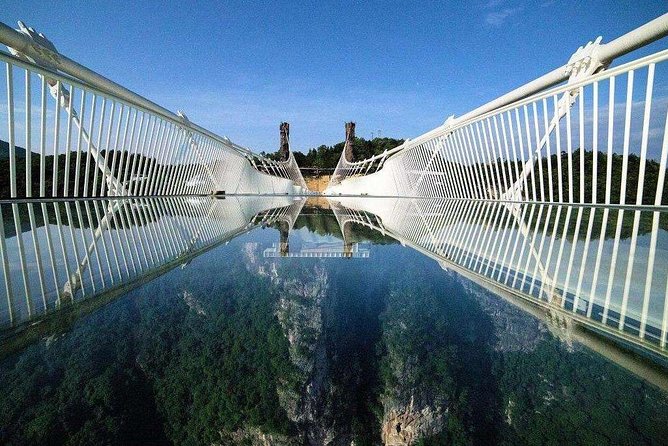
Twilight transforms Zhangjiajie’s skyline into a quiet stage of stars, especially along the upper canyon paths just beyond the bridge exit. While the bridge itself closes before nightfall, the nearby ridgelines remain accessible and ideal for stargazing—offering a peaceful close to a day of high-altitude excitement.
Fewer visitors remain at this hour, and the light pollution drops significantly once local shuttle services slow. The jagged silhouette of the Wulingyuan peaks cuts sharply against the sky, making celestial movement more pronounced. For those bringing lightweight binoculars or DSLR cameras with low-light lenses, this is prime time for long-exposure shots of stars peeking over the cliffs.
Pack a headlamp for safety, and avoid wandering too close to unlit ledges after dark. Several observation platforms offer stable footing and uninterrupted sky views, with cool canyon breezes offering comfort after a humid day.
While not a widely promoted activity, dusk stargazing near the canyon rim has become a favorite among return visitors and night photography enthusiasts. It’s the calm after the thrill—the perfect time to reflect, literally and figuratively, on one of the world’s most surreal landscapes.
High-Altitude Zipline Add-On
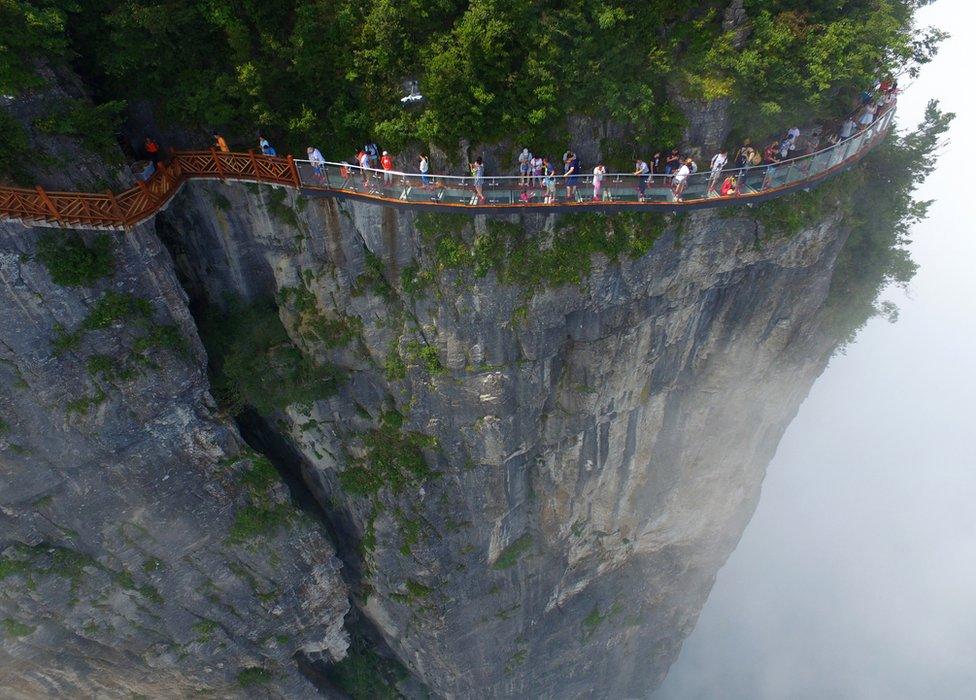
For those craving speed and sky-high excitement, the optional zipline experience near the Zhangjiajie Glass Bridge delivers a jolt of adrenaline against a cinematic backdrop. Launching from a platform perched above the canyon, riders glide over tree canopies and rock formations with wind-rushed clarity and unmatched elevation.
The zipline is a separate ticketed add-on and includes safety gear like helmet, harness, and back-mounted brake. Participants receive a safety briefing and weigh-in check before being cleared for takeoff. Riders must meet minimum height and weight requirements, ensuring secure fits and balance during flight.
Flight duration is brief—just under a minute—but the sensation of flying above Zhangjiajie’s cliffs makes it unforgettable. Look to your left mid-ride and you’ll glimpse the suspended glass bridge far in the distance, offering a rare angle most never see.
This add-on is ideal after finishing the bridge walk, especially for those looking to cap their visit with a visceral highlight. Reservations are recommended during busy seasons, and action cameras like GoPros are allowed if chest-mounted.
From gentle hovering to rapid descent, the zipline delivers a high-altitude payoff that complements the slower drama of walking on glass. It’s not just a ride—it’s a cliff-to-cliff thrill with a world-class view.
Mount Tianmen Cable-Car Combo Day
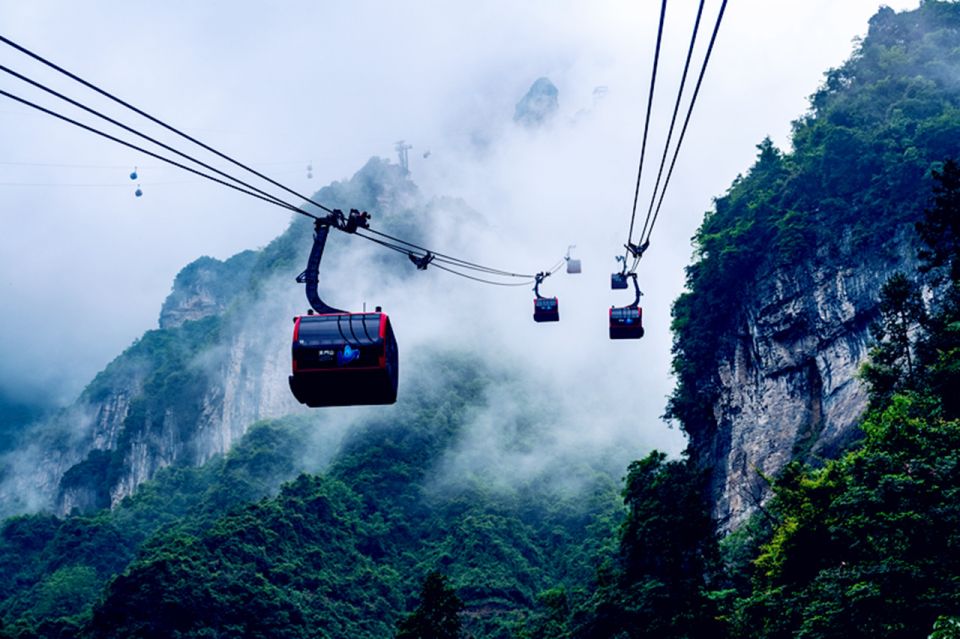
Pairing the glass bridge with a day trip to Mount Tianmen creates a full-spectrum showcase of Zhangjiajie’s vertical wonders. Located about an hour’s drive from the canyon area, Tianmen’s iconic cable car ride begins in the city of Zhangjiajie itself and climbs over forested peaks to one of the most revered mountaintops in China.
The 7.5 km journey—often cited as the longest passenger cableway in the world—offers uninterrupted aerial views of winding roads, temple-topped cliffs, and towering karst spires. For travelers already on a high from the glass bridge experience, this cable-car combo amplifies the sense of scale and diversity in the region.
At the summit, visitors can explore cliff-hanging walkways, a glass skywalk similar to the bridge (but narrower), and the massive Tianmen Cave—a natural archway carved into the mountain itself. Clear signage and shuttle options make it feasible to fit both attractions into one full day, though starting early is essential to avoid bottlenecks.
For those wanting to witness both aerial drama and mountaintop mystique, combining the bridge with Tianmen Cableway builds a narrative of elevation, movement, and Chinese natural grandeur few destinations can match.
Monorail + Shuttle Overlook Route

Navigating the expansive terrain of Zhangjiajie Grand Canyon becomes far easier when utilizing the monorail and shuttle loop. Designed to cut down walking time and make scenic transitions smoother, this system connects major access points, rest areas, and panoramic overlooks—ideal for travelers who want maximum views without high physical strain.
The monorail runs along a fixed elevated track and glides through lush terrain with minimal vibration, giving passengers an eye-level perspective of forest canopy and rock layers. Its windows are expansive and clean, perfect for grabbing stills or videos while seated. Shuttle buses operate frequently and are especially useful for bridging the gap between the bridge base and nearby trails or canyon entrance points.
This route is particularly beneficial for families, elderly visitors, or those with limited mobility who still wish to enjoy the area’s top highlights without exhausting hikes. Guides along the way provide quick commentary in English and Mandarin, enhancing the travel experience with geology facts and folklore.
By incorporating the monorail and shuttle combo, visitors can structure their day for efficiency, reduce fatigue, and access otherwise overlooked scenic spots. It’s not just about mobility—it’s about smart travel planning in one of China’s most vertically complex destinations.