
Stone towers rising through jungle mist, ancient carvings glowing under sunrise light—few places stir the soul like Angkor Wat. This vast Cambodian wonder isn’t just a temple; it’s the heart of a lost empire, still whispering stories through its weathered walls. Travelers arrive for its grandeur, but stay captivated by the layers of myth, architecture, and cultural depth waiting within. With over a thousand years of history etched into its sandstone corridors, navigating Angkor Wat requires more than a map—it calls for context. This guide unpacks how to experience the site fully, avoid common pitfalls, and truly walk through time.
Dawn at East Gate for Crowd-Free Sunrise
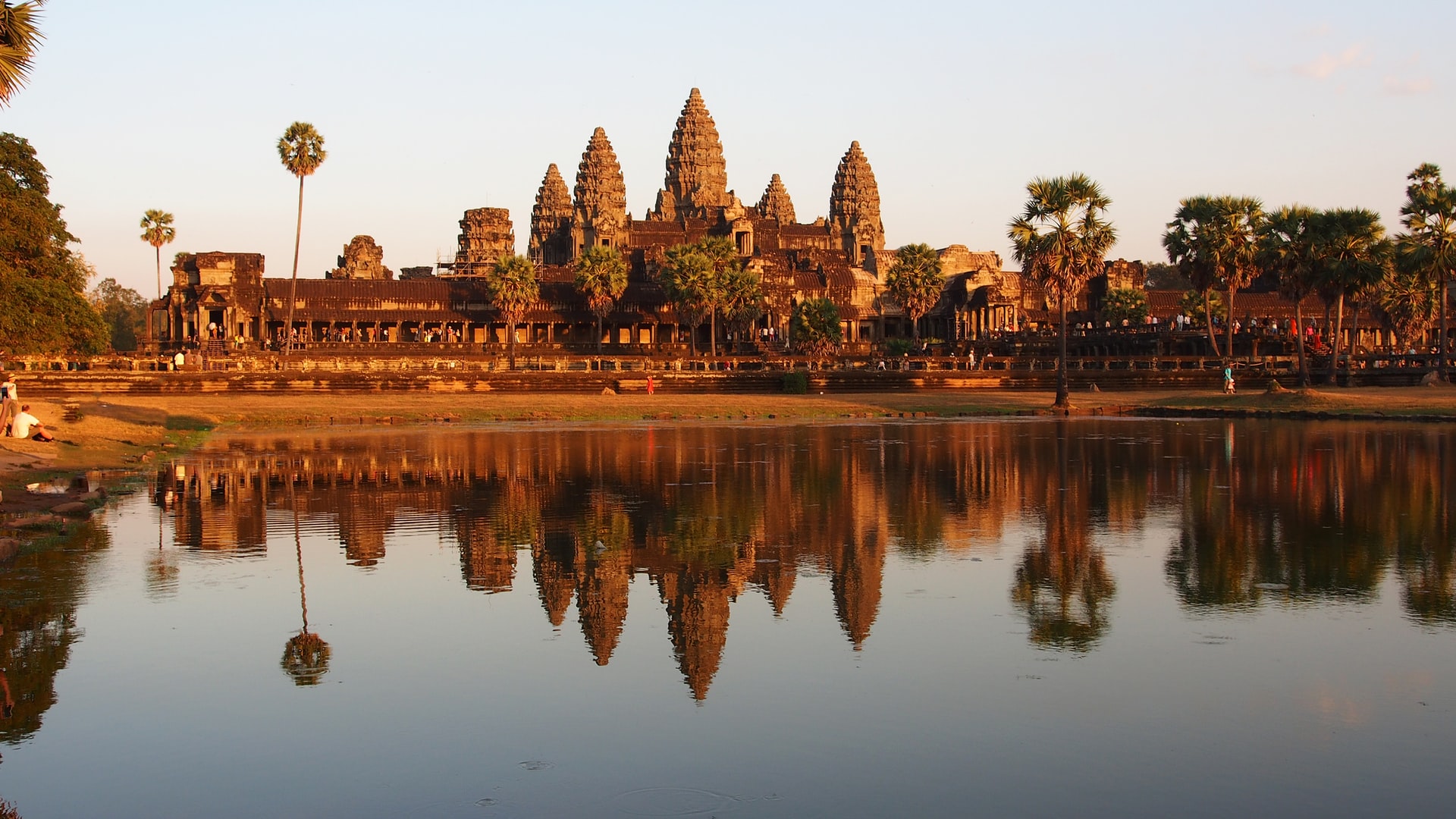
Golden hour unfolds differently when experienced from the East Gate, where stillness replaces the usual sunrise frenzy. Unlike the iconic reflection pool at the main gate, this lesser-known entry offers tranquility, uninterrupted sky views, and a direct glimpse of Angkor Wat’s silhouette framed by jungle. Locals sometimes refer to it as “the monks’ gate,” and it’s easy to see why—peace reigns here. This spot rewards early risers with soft pastel skies and the calming sounds of birdsong rather than the clicking of dozens of cameras. The narrow causeway and overgrown sandstone make for cinematic composition, especially when mist clings to the moat. Solo travelers and photographers appreciate the space to move freely without jostling crowds. Arriving before 5:30 a.m. ensures full access before light peaks. Bring a small flashlight, but keep it dim; the atmosphere thrives on natural awakening. Tripod setups are welcome here and offer excellent angles for silhouette shots or timelapses. For an authentic experience, observe a few monks walking in from nearby pagodas—adding cultural richness to your sunrise moment. With fewer tuk-tuks queued up and the gate largely ignored by tour groups, it remains one of Angkor’s most serene photographic gems for mindful travelers.
Hidden Ta Nei Temple Morning Escape

Tucked deep within the forest north of Ta Prohm, Ta Nei remains a hidden gem best explored early in the morning when golden light filters through moss-covered trees. Accessible only via a narrow dirt path or forest trail, this remote sanctuary offers solitude unlike any other temple in the Angkor complex. Its unrestored layout, collapsed walls, and jungle intertwinement make it feel like a genuine archaeological discovery. No ticket booths. No crowds. Just ancient stones and still air. The lack of signage adds to the adventure, but GPS or a knowledgeable tuk-tuk driver can help locate the trailhead. Arrive before 8 a.m. to enjoy the cool air and the rising sun casting streaks of light across the crumbling doorways. Photographers will appreciate the symmetry in its quiet corridors, and nature lovers will likely encounter butterflies, bird calls, and occasional macaques in the trees above. With no vendors or selfie-stick mobs, it’s a moment of peace in a destination that often feels overstimulating. Bring water, as services are non-existent nearby. Whether you’re a spiritual seeker or just avoiding the mainstream circuit, this off-the-grid temple rewards patience and quiet curiosity. The stillness here feels timeless, grounding you in Angkor’s true sacred rhythm.
Ta Prohm Atmospheric Light & Roots Shoot
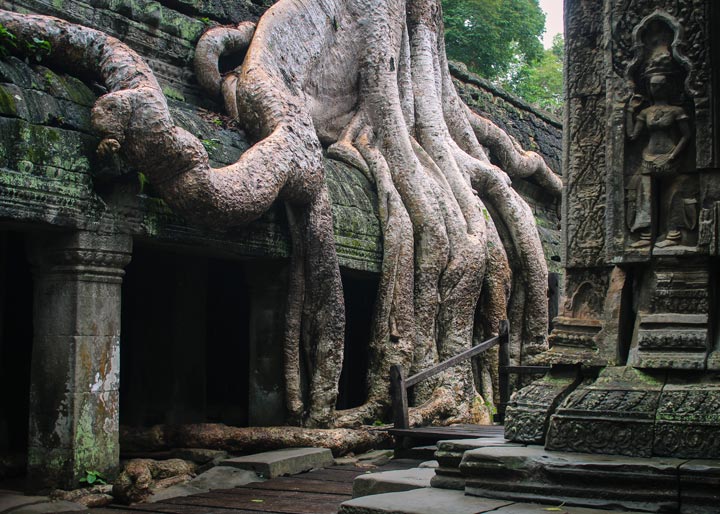
Late morning light at Ta Prohm unlocks a surreal dance between tangled roots and crumbling stone. This is where nature and architecture have merged over centuries, creating one of Angkor’s most photogenic sites. Timing matters—arrive between 8:30 and 10:00 a.m. when sunbeams filter diagonally through the canopy, casting dramatic shadows along vine-wrapped doorways and bas-reliefs. It’s no wonder this location drew film crews for “Tomb Raider.” Photographers looking for ethereal lighting should focus near the southeast library, where a massive tree root swallows a chamber in sculptural form. Monks occasionally walk through in saffron robes, adding contrast and quiet symbolism. Patience rewards those who wait for the passing light to hit key angles; consider using a polarizing lens to cut glare from the mossy stones. Despite Ta Prohm’s popularity, brief windows of silence appear between tour waves—perfect for long exposures or slow strolls with a wide-angle lens. Comfortable shoes are a must, as the uneven stone paths wind through partially collapsed galleries. Don’t rush this site; every corner reveals another haunting vignette of time reclaimed by nature. Ta Prohm isn’t just a ruin—it’s a living canvas where shadow, light, and root become poetry etched in stone.
Guided Rock-Flour Cloud Filter Tip

Skies over Angkor often appear washed out in photos—until you apply the right technique. Rock-flour haze, a result of ultra-fine dust and humidity, scatters light in unusual ways, giving temple shots a flat or “milky” appearance, especially during mid-morning. A guide versed in photography tricks can make all the difference here. They’ll recommend filters like graduated ND or UV-cut lenses and can steer you to the best sun-to-structure angles that mitigate sky burnout. One pro tip? Use a circular polarizer early in the day when sunlight hits obliquely—this enriches cloud contrast without blowing out temple textures. Photographers often overlook how Cambodia’s climate affects digital image clarity, but those in the know position themselves with wind direction and sun behind them to reduce dust refraction. Local guides also help frame shots with layered depth: a broken balustrade in the foreground, a moody tower in back, and the sky filling negative space. For best results, scout locations during golden hour the day before, then return prepared. From Bayon’s many faces to the horizon beyond Phnom Bakheng, applying these atmospheric tricks turns pale frames into gallery-worthy captures. Understanding the “cloud filter effect” gives your Angkor album richer dimension and editorial polish.
Cliff-Perch Break at Sunset Bayon Faces
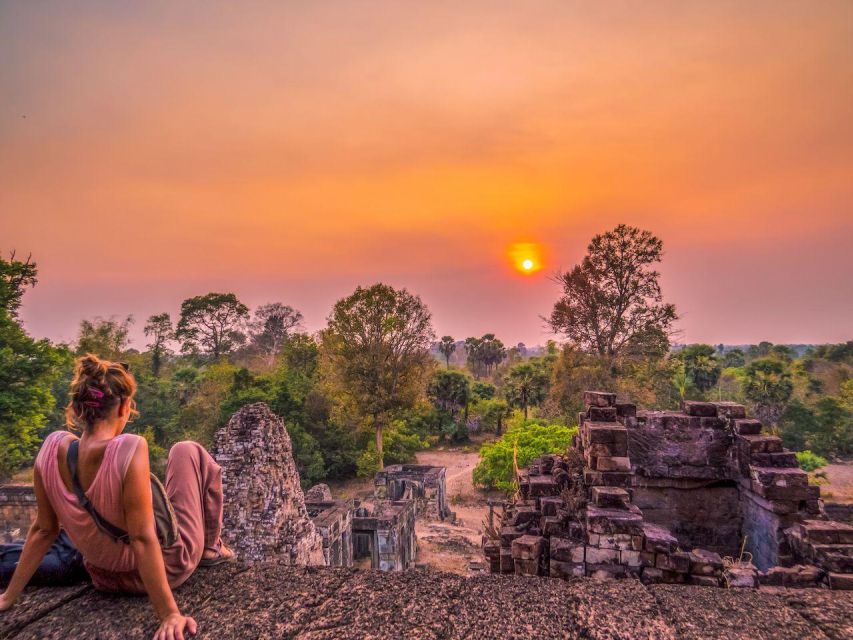
Golden hour transforms Bayon into a surreal theater of light and shadow, especially when viewed from its lesser-known western ledge. This small cliff-like perch, accessible via a discreet stair behind the main gallery, provides a quiet lookout where multiple smiling stone faces come into view at once—glowing amber against the darkening sky. While most visitors crowd the central corridors, this spot offers solitude for reflection or low-angle silhouette photography. Arrive around 5:00 p.m. with a wide-angle lens and neutral density filter to capture soft gradients across the horizon. If you’re not shooting, it’s still the perfect place to pause, hydrate, and absorb the quiet gravity of this ancient capital. The wind picks up slightly here, rustling surrounding trees and carrying sounds from monks chanting in the distance. On overcast days, the mood shifts to cinematic grayscale—a different kind of magic worth capturing. Keep gear minimal as footing can be uneven. Whether you’re pausing after a full temple circuit or intentionally planning this for golden hour, the cliff perch offers a sense of spatial intimacy with Angkor’s iconic stone guardians. It’s a rare opportunity to be eye-level with eternity while the sky closes over a kingdom lost to time.
Temple-Side Biking with Phone Tripod Mount
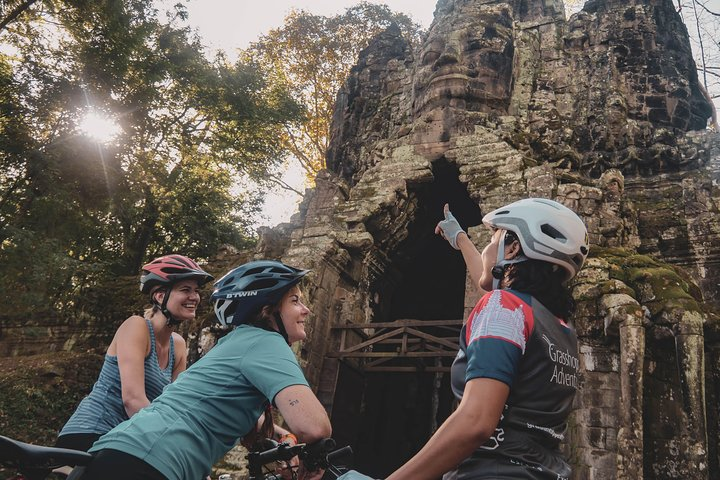
Cycling through Angkor’s tree-lined paths provides an unmatched sense of freedom. With temples spaced a few kilometers apart, renting a bike and attaching a lightweight phone tripod mount transforms your day into a mobile photography session. Begin your route early along the outer circuit where traffic is sparse. Stops like Preah Khan and East Mebon allow wide scenic views and long, uninterrupted paths ideal for stable footage. Set your tripod on temple causeways or tuck it into tree roots for low, cinematic angles. A basic Bluetooth shutter remote ensures shake-free selfies and walk-in frame videos—perfect for reels or vlogs. Watch for passing monks or elephants crossing roads near the Victory Gate; these spontaneous scenes make compelling content. Hydration is key, so stop by roadside vendors for chilled sugarcane juice. Cambodian sun can drain you quickly. When pedaling past lakes or moats, pause to catch reflections of towers and banyans. Most temples allow you to lock bikes nearby, and locals will often keep an eye for a small tip. This hybrid of sightseeing and content creation is ideal for travelers balancing memory-making with storytelling. With each pedal, you’re not just passing temples—you’re curating an Angkor journey that unfolds one frame at a time.
Midday Recharge at Café with Temple View

Heat intensifies around midday, and temple fatigue can dull even the most magical sights. That’s where a shaded café with a direct temple view becomes more than convenience—it’s preservation. Located near Srah Srang, several elevated cafés offer thatched-roof seating, ceiling fans, and cold drinks, all overlooking royal bathing ponds or ruins in the near distance. Coconut water arrives chilled, fresh from the husk, and local specialties like amok or fried morning glory provide energy without heaviness. Most importantly, this is the time to regroup—download your morning shots, review footage, recharge camera batteries, or plan your afternoon route. A corner seat facing Banteay Kdei offers visual breaks without losing the day’s narrative. For social media users, this is your upload window: stable Wi-Fi, flat surfaces, and ambient jungle noise make it ideal for posting while staying present. Shaded hammocks, clean washrooms, and attentive but unobtrusive staff give these cafés a surprisingly premium feel despite their rustic appearance. In a setting where even rest becomes immersive, this midday pause rebalances your senses. Instead of rushing through temples heat-drunk and depleted, you leave refreshed, hydrated, and ready to see the next ruin not just with your eyes—but with renewed appreciation.
Ta Som Tree-Gate Solo Photo Pause

Early afternoon light filters beautifully through Ta Som’s eastern gate, where an ancient tree has completely enveloped the stone archway in sculptural roots. While it echoes Ta Prohm’s aesthetic, Ta Som remains significantly quieter, offering space for solo shots without interruption. Most visitors overlook it while focusing on larger temples, so mid-afternoon often leaves the site nearly empty. Set your camera low and wide for best composition—the natural arch and gnarled fig roots form an almost mythical frame. Photographers aiming for dramatic symmetry will find their sweet spot just before the causeway entrance. A collapsible tripod and a simple remote shutter help nail balanced solo portraits without crowding or cropping. Insect repellent is recommended; the dense foliage attracts mosquitos. For reflection shots, wait after a rain shower—small puddles form in front of the gate, creating beautiful mirrored compositions. This location’s quiet, cinematic quality invites you to slow down and experiment with framing, symmetry, and natural textures. Unlike flashier sites, Ta Som tells a quieter story—one about nature’s slow embrace of stone and the enduring stillness that defines Angkor’s forgotten corners. Whether capturing a shot or simply standing still beneath the canopy, the moment feels steeped in reverence.
Neak Pean Floating Temple Walkway Shot

Crossing the long wooden bridge to Neak Pean offers more than temple access—it’s a study in symmetry and mood. Set in the center of a vast manmade reservoir, this floating temple stands apart from Angkor’s main layout. Arriving late afternoon gives you soft lighting, fewer tourists, and an ideal setting for wide shots of the reflection-heavy causeway. The bridge’s design lends itself to leading lines, drawing the viewer’s eye directly to the temple’s spire. Shutter priority mode is ideal here for balancing motion with sharpness, especially when gentle breezes ripple across the water. Photographers often capture locals crossing or pausing mid-bridge—adding human scale to the serene landscape. The site’s ancient medical symbolism—each pool once representing an element for healing—adds a deeper layer of interest. While the central tower is modest in height, its lotus shape and island setting make it photogenically unique. Framing tips: shoot from a crouch on the bridge for symmetry or from the side benches for layered depth. This location delivers stillness in a landscape of movement—light on water, footsteps on wood, clouds drifting slowly past carved stone. It’s a fleeting moment of balance in the Angkor expanse, one that rewards both patience and a practiced eye.
Beng Mealea Jungle Ruin Exploration
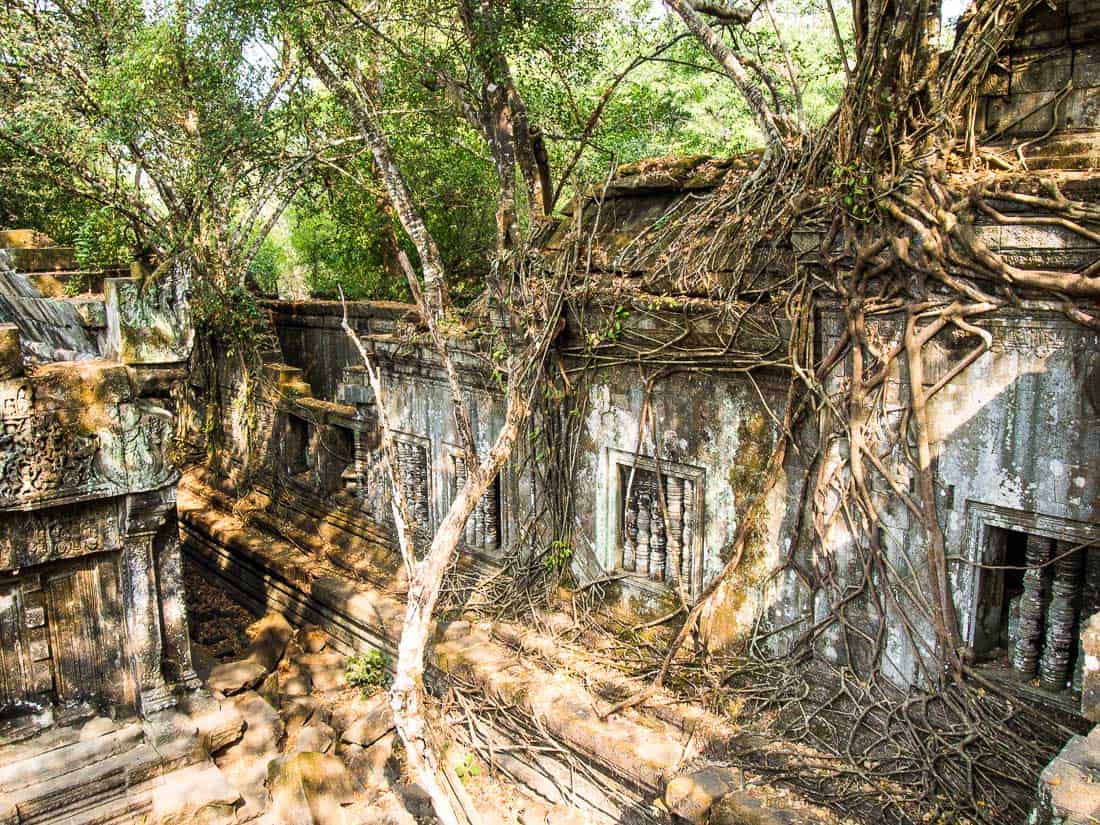
Hidden an hour east of Angkor Wat, Beng Mealea feels worlds away from the main circuit. Jungle has overtaken large swaths of this sprawling complex, creating an Indiana Jones–style atmosphere that’s rare in other sites. Massive stone blocks lie tumbled under banyan trees, and wooden walkways zigzag through thick undergrowth and darkened chambers. The site is semi-restored, with only minimal interventions—ideal for raw, documentary-style photos that highlight nature’s quiet reclamation. Arrive in the morning for cooler temperatures and fewer groups. The entrance itself is cinematic: collapsed archways and long corridors lead to a partially sunken courtyard, where moss and vines blur architectural lines. Use a lens with good contrast handling; the play between deep shadows and sunbeams creates dramatic tension in each frame. For wide shots, climb the central gallery (with caution) for an overhead view of the dense vegetation consuming the structure. Local guides sometimes offer insight into the site’s purpose and lost inscriptions, enhancing the storytelling potential of your images. Beng Mealea isn’t just about ruins—it’s a dialogue between time and terrain, untouched yet expressive. If Angkor Wat is a crown jewel, Beng Mealea is its mythic echo—unfiltered, immersive, and quietly haunting.
Tuk-Tuk Female-Driver Local Tours

Booking a tour with one of Siem Reap’s growing number of female tuk-tuk drivers brings unexpected depth to your Angkor experience. These women, many of whom are breaking cultural norms by driving professionally, offer more than transportation—they share lived stories, hidden shortcuts, and local perspectives that guidebooks often miss. Rina, one such driver, weaves tales of Khmer childhood, temple rituals, and post-war recovery between temple stops. Her routes skip high-traffic sections and instead time visits for crowd lulls, maximizing both your comfort and photographic freedom. Tuk-tuks come with shaded roofs, USB ports, and sometimes cold water storage—perfect for long days temple hopping. When you hire a female driver, you’re also supporting local economic empowerment. Many of these women are heads of households and invest their earnings in education or small businesses. Beyond practical benefits, these interactions add human texture to your trip, reminding you that Angkor’s stories don’t end in the 12th century—they live on in its people. Socially conscious travel choices deepen your connection to place. Booking via social platforms or recommended networks ensures both safety and schedule reliability. As the temples pass by and the breeze cools your face, you’re not just witnessing history—you’re engaging with its stewards.
Night-Circuit Ticket for Bayon Face Illumination
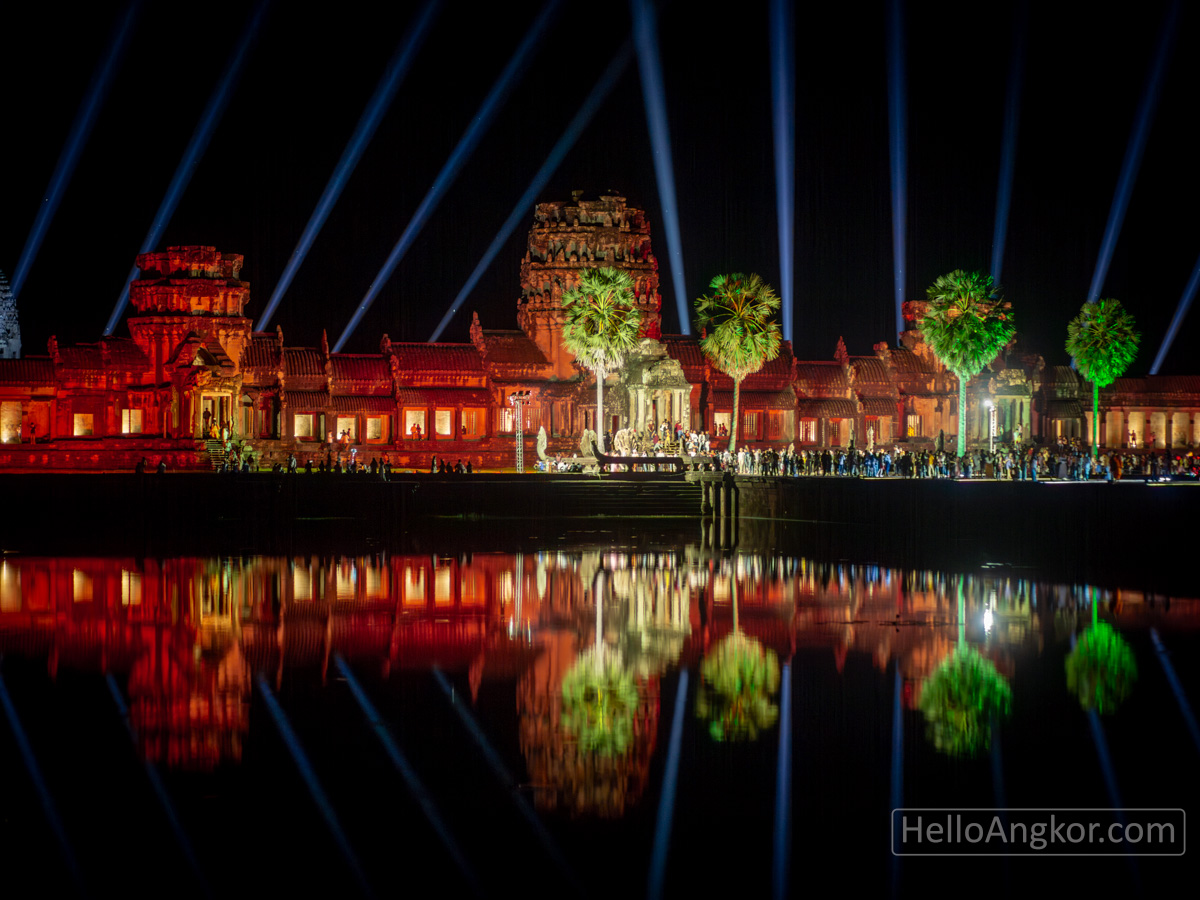
Twilight transforms the Bayon Temple into a surreal dreamscape, and with the new night-circuit tickets, visitors can witness the stone faces illuminated under amber and blue hues. The experience begins just after sunset, as floodlights switch on in carefully programmed phases—first outlining the spires, then gradually revealing the serene smiles carved into the towers. The ambiance is hushed, with fewer than fifty people allowed per evening session, creating a reverent atmosphere that contrasts the daytime bustle. Long-exposure photography thrives here; the shadows and lights dance across the lichen-covered stone, bringing dramatic depth to even small details. Tripods are permitted within designated zones, and most visitors opt for wide-angle lenses to capture the towering scale. Booking in advance is essential, as slots fill quickly, particularly during dry season. Security staff quietly monitor movement, ensuring minimal disruption. The surrounding jungle fades into darkness, amplifying the temple’s ghostlike presence under artificial light. For videographers, slow panning shots of the illuminated causeway deliver cinematic results. Don’t rush to exit—the final lighting crescendo peaks just before closing, casting one last golden glow across the central face tower. Experiencing Bayon at night feels like stepping into another world—one where history whispers instead of echoes.