
“Follow the Path: Interactive Map + QR Codes”

Visitors often overlook how vital orientation becomes in the ever-shifting Maasai Mara. With vast plains and unpredictable herd movements, a real-time interactive map embedded with QR code check-ins ensures you stay in sync with the action. These QR codes are scattered along visitor-approved routes, letting guests scan and access herd locations, nearby lookout points, or even detour alerts directly on their phones. This digital layer of guidance not only reduces confusion but also improves the overall experience by encouraging self-paced, informed exploration. QR hotspots are updated daily by on-ground trackers and local guides, adding a layer of trust and real-time relevance. For travelers keen to track the Great Migration in motion without disrupting wildlife, this hybrid of tech and tradition proves invaluable. Parents can even turn this into an educational scavenger hunt for kids, while solo travelers appreciate the added layer of safety. The integration of modern tech with authentic safari landscapes sets a new benchmark for interactive wildlife experiences. It doesn’t replace the guide’s wisdom but enhances it, offering a more autonomous, intuitive way to navigate one of Earth’s most awe-inspiring migrations.
“Local Voices: Maasai Story‑Teller Highlights”

Tales passed down through generations offer context no camera can. Listening to a Maasai storyteller beside a flickering fire lends soul to the spectacle of the Great Migration. These narrators share ancient insights into wildebeest behavior, migration myths, and the spiritual role animals play in Maasai culture. Rather than scripted performances, these moments unfold organically, with guests encouraged to ask questions and engage with the stories being told. Some storytellers are respected elders, while others are younger voices adding modern layers to ancestral memory. Their words breathe life into the land, bridging tradition with today’s global curiosity. Visitors often come for the wildlife, but it’s the voices of the people who call this land home that resonate most deeply. Select camps feature dedicated storytelling sessions scheduled around sunset, pairing rich narrative with atmospheric beauty. These sessions provide a rare chance to understand how deeply culture and conservation intertwine in the Maasai Mara. They also highlight the importance of ethical tourism that centers local knowledge, making these storytellers not just guides, but guardians of memory. For any traveler seeking more than just photo ops, these fireside accounts become the emotional highlight of the journey.
“Micro‑Photo Challenges: Capture the Dust”

Dust clouds swirling behind galloping herds offer more than drama—they’re photography gold. Safari-goers often focus solely on the animals, but this challenge urges visitors to capture motion, texture, and atmosphere instead. Designed as a micro-photo assignment distributed at camp check-in, this experience redefines how you frame the Maasai Mara. Guests are encouraged to document fleeting moments: a lone hoof lifting dirt, a gust twisting into haze, silhouettes blurred by nature’s chaos. Onboard guides help with technical settings like shutter speed and natural lighting tips, making the challenge accessible to both hobbyists and pros. It shifts the lens from typical wildlife portraits to storytelling through environmental detail. Completed photos can be uploaded to a shared digital album, and standout shots may even be featured in camp newsletters or annual migration exhibits. This interactive layer invites travelers to see beyond the obvious and recognize the power of subtlety in nature photography. Dust becomes a subject, not just a background. The challenge enhances mindfulness and attentiveness, two qualities easily lost in high-energy safaris. In the process, visitors leave not just with photos, but with a deeper appreciation for the textures that define this once-in-a-lifetime spectacle.
“Drone POV Mini‑Clips: Herd From Above”

Soaring above the golden savannah reveals the sheer scale of the Great Migration like no ground-level view can. For those without drone access, curated mini-clips shot by licensed pilots provide jaw-dropping aerial perspectives of the wildebeest journey. These bite-sized visual bursts are available at designated viewing tents or through downloadable camp networks, letting visitors glimpse wide-angle views of herd formations, river crossings, and predator flanks in real time. With strict respect for altitude and noise regulations, these drones avoid disturbing wildlife while delivering cinematic footage that complements on-the-ground encounters. Short video segments, typically under a minute, focus on specific migration behaviors: synchronized gallops, dusty stampedes, or crocodile-dodging crossings. Guests can opt into daily clips themed by region or animal behavior, offering a broader understanding of ecosystem dynamics. For families and educators, these videos double as teaching tools, and for content creators, they become a visual storytelling asset. The aerial angle reshapes the migration narrative, placing the viewer at the intersection of technology and timeless wilderness. While nothing replaces the pulse of a live sighting, these mini-clips offer an unmatched perspective that enriches your overall connection to the journey.
“Overnight with the Herd: Camp Spotlights”

Sleeping within earshot of the migrating herds turns a safari into something unforgettable. Certain eco-camps offer specially timed stays during peak migration windows, placing guests along the natural travel paths of wildebeest and zebra. These camps provide a safe, low-impact setup with elevated tents and early-morning watch decks, designed for wildlife proximity without encroachment. The experience is less about luxury and more about raw immersion—hearing distant hooves echo through the night or waking to silhouettes on the horizon. Meals are often served al fresco, with firepits and storytelling under the stars. Guides stationed overnight offer insights on nocturnal animal activity and keep guests informed of movement nearby. Motion-sensitive lights and thermal cameras may be used for silent observation, reducing human disruption. These camp nights are ideal for photographers chasing low-light compositions or families seeking something more profound than a daytime drive. Limited bookings ensure a tranquil, uncrowded experience that honors the rhythm of nature. Staying overnight on migratory grounds gives visitors a deeper emotional connection to the journey—something cameras can’t replicate. It’s one thing to witness the migration by daylight, and quite another to sleep in its shadow.
“Seasonal Almanac Graphics”

Understanding the rhythm of the Great Migration becomes easier when visualized through a seasonal lens. A detailed almanac-style graphic—updated annually—maps out herd locations, predator movements, river crossing forecasts, and weather patterns in a month-by-month format. These visually appealing guides are available at lodges, in mobile-friendly formats, and sometimes printed as take-home posters. By seeing how rain, vegetation, and animal behavior align throughout the year, travelers can better choose their visit based on what they want to experience: dramatic crossings, predator action, or calving season tranquility. Guides also use these charts to explain ecological changes to guests, helping foster a deeper appreciation of how interconnected each element is. The design balances clarity with detail, making it accessible for kids, amateur naturalists, or first-time safari-goers. For content creators and educators, it offers structured data to tell migration stories with accuracy and authority. Having a visual timeline adds dimension to what otherwise feels unpredictable. It transforms a week-long trip into part of a year-long cycle—an ongoing story in which visitors momentarily participate. The almanac becomes both a planning tool and a keepsake that reflects the cyclical magic of the Maasai Mara.
“Safari Bingo: Spot‑Who‑Else‑Joined”

Turning animal tracking into an interactive game encourages everyone to stay curious. This creative safari bingo game highlights co-migrators like zebras, gazelles, elands, and even unexpected guests like ostriches or warthogs. Each bingo card features illustrations instead of names to suit all age groups and languages, making it ideal for families, student groups, or even solo travelers looking for a lighthearted twist. The goal isn’t just to win—it’s to pay closer attention to the full ecosystem surrounding the wildebeest migration. Cards can be collected at lodge reception desks or handed out during orientation rides, and small prizes often await completed sheets. Some versions include bonus icons for spotting conservation efforts, such as ranger posts or anti-poaching patrols. This activity cultivates awareness without being overly educational or heavy-handed. It brings an old-school analog joy to a high-stakes wildlife experience, proving that engagement doesn’t require a screen. By shifting focus to the broader cast of characters sharing the plains, bingo becomes a gentle reminder that the Great Migration isn’t just about wildebeest—it’s a community of survival. Every card filled becomes a souvenir of attentiveness, sparking smiles and storytelling long after the safari ends.
“Prep Hacks: Solar‑Powered Booth Essentials”
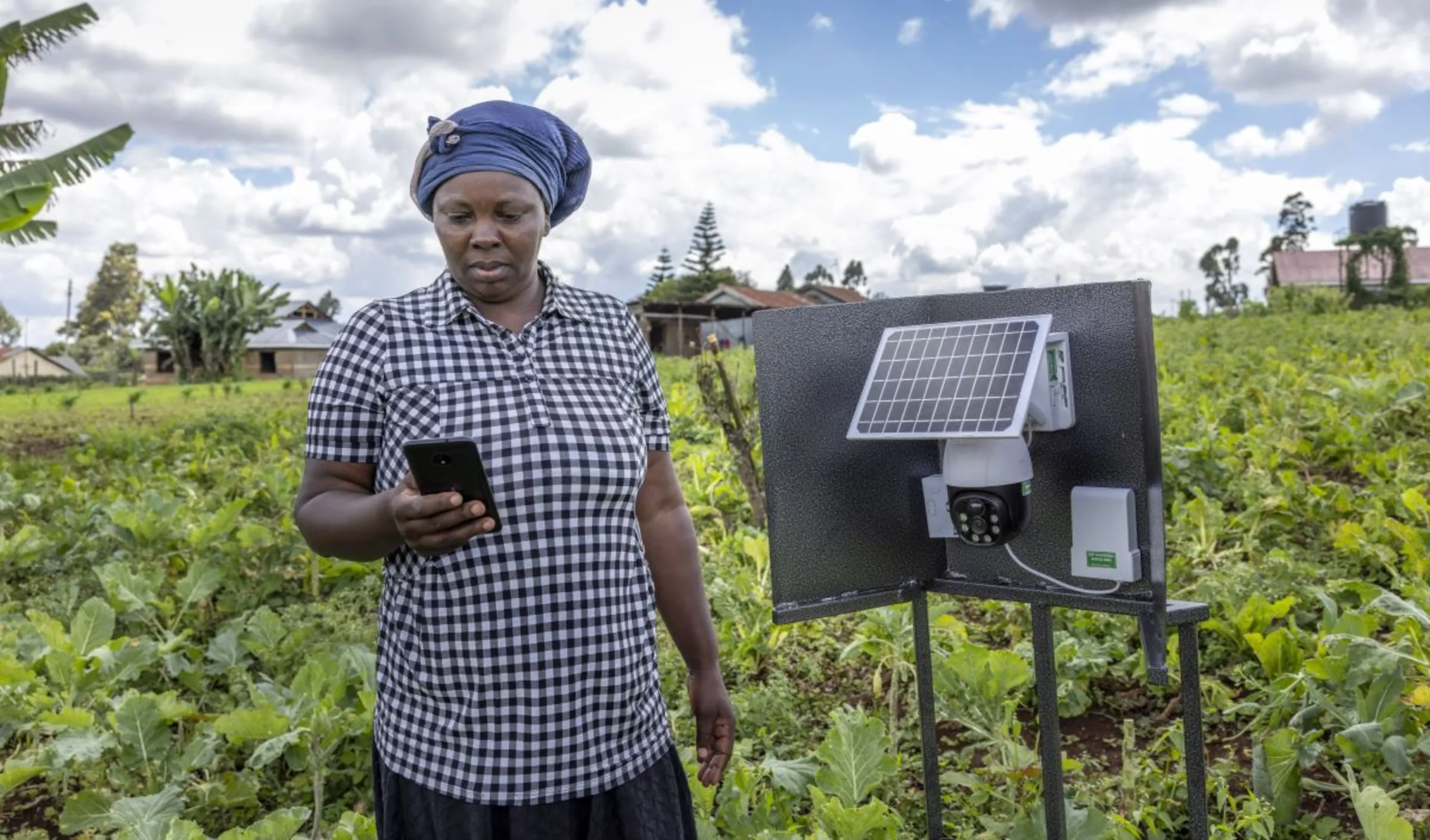
Logistical ease can make or break the migration experience, especially in remote areas without stable electricity. Solar-powered booth kits solve common traveler dilemmas by providing charging stations, chilled water dispensers, portable fans, and even shaded rest corners—all driven by the sun. These lightweight, collapsible stations are strategically positioned at select viewpoints and temporary camp outposts. For content creators and photographers, it means no more battery anxiety. Families appreciate the cool-down spots between sightings, and guides use them as micro-hubs for mid-route briefings. Some stations include Wi-Fi boosters or first-aid coolers, ensuring guests stay both connected and prepared. Because they run on renewable energy, these booths align with sustainable travel goals while adding genuine comfort to the experience. Local tech entrepreneurs often maintain or supply these booths, fostering community-based innovation. Instead of feeling like foreign installations, they’re designed to blend with the landscape using muted canvas and minimal impact anchors. Visitors are encouraged to jot notes, refill gear, or simply pause for a breather without missing migration moments. This small but smart upgrade demonstrates how thoughtful infrastructure amplifies a once-in-a-lifetime safari into something seamless and traveler-friendly.
“Predator Whisperer 101”

Spotting lions, cheetahs, and hyenas during the migration requires more than luck—it demands listening, patience, and an understanding of the savannah’s silent cues. Predator Whisperer 101 is a guided learning mini-session offered by senior trackers at key lodges. Rather than overwhelming guests with textbook facts, the session focuses on real-time signs: fresh scat, alarm calls from prey, vulture spirals, and stealthy paw prints. Guests learn how predators shadow the herds, calculating their moves without being seen. These micro-workshops often occur at dusk or dawn when predator activity peaks. Instead of just watching from the safety of a vehicle, visitors gain insight into predator psychology and strategy. For photographers, it enhances timing. For first-timers, it transforms fear into fascination. Some programs even hand out field ID cards or mini-binoculars for interactive learning. The experience strengthens visitor respect for predator roles in the ecosystem while demystifying common misconceptions. By the end, guests not only know what to look for—they feel more attuned to the Mara’s natural rhythm. It’s not about becoming an expert, but tuning into the language of survival written in paw prints and shadows.
“Real‑Time Timeline Templates”
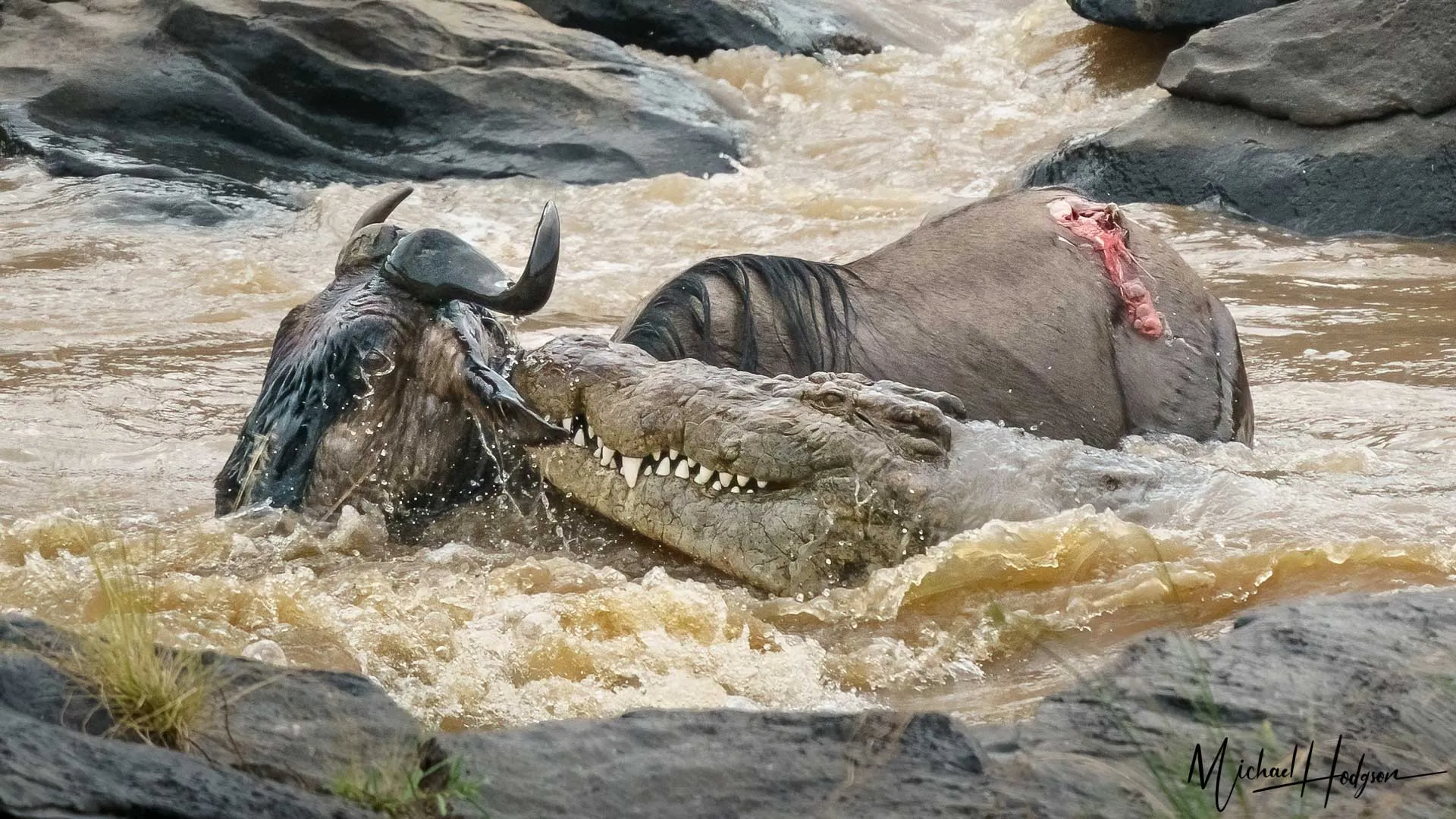
Staying oriented during the migration’s unfolding events can feel overwhelming. Real-time timeline templates streamline your day, giving you a customizable schedule that maps wildlife movements, mealtime windows, ideal rest spots, and photography hours based on real conditions. Rather than guessing when the herd might cross or when the predators hunt, these templates sync with GPS updates and ranger intel, delivered digitally or printed each morning. Guests can select from adventure-focused, family-friendly, or photographer-prioritized versions, depending on their goals. Timeline kits are often handed out during breakfast briefings or synced to solar-booth tablets. Some include quiet-time blocks for journaling or sketching, others highlight kid-friendly zones or snack hubs. Unlike rigid itineraries, these adapt hour-by-hour, acknowledging nature’s fluidity. They’re especially helpful for solo travelers or groups on self-guided drives. Rangers and guides use them to coordinate guest safety and optimize movement around hotspots. The result is a day that feels spontaneous yet informed—perfectly balanced between instinct and structure. It brings a sense of calm and purpose to the unpredictability of safari life, letting travelers stay present while not missing a thing.
“Campfire Flavor: Local Cook‑Along”
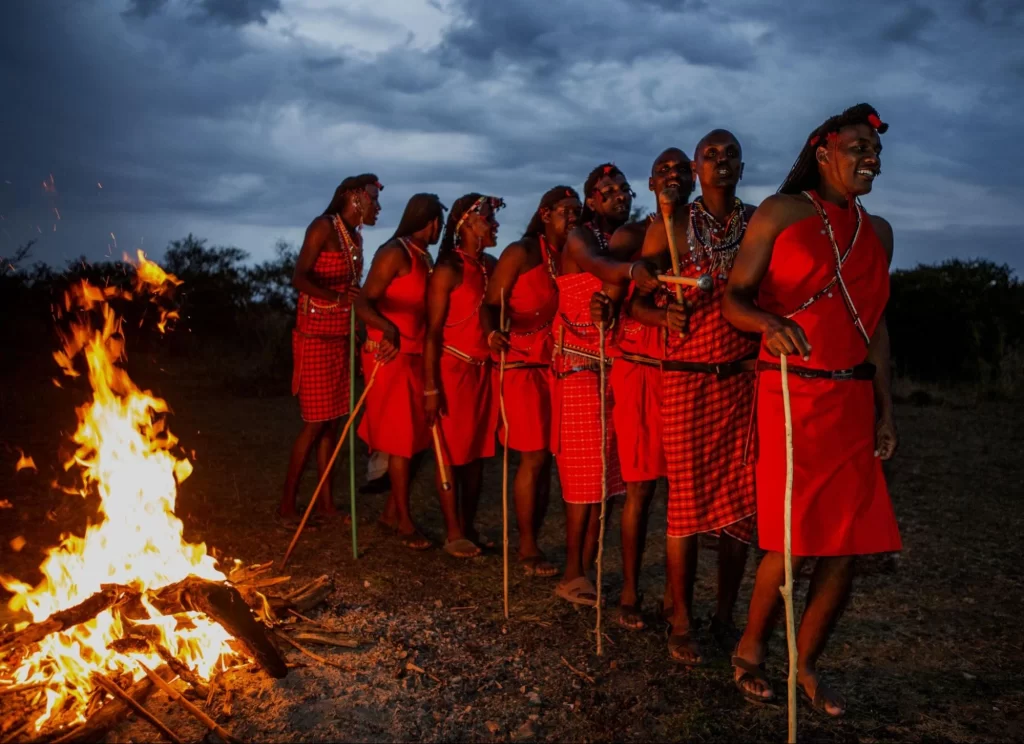
Dinner doesn’t have to be passive when you’re in the Mara. Local cook-along sessions invite guests to roll up their sleeves beside seasoned Maasai chefs, learning how to prepare regional dishes over open flames. Ingredients are fresh and foraged when possible—like wild spinach, sorghum, or goat skewers wrapped in banana leaves. These nightly gatherings are held in designated cookfire zones within camp, with multilingual facilitators guiding guests through each step. It’s less formal than a culinary class and more like joining a communal dinner ritual. Children shape dough for chapati while adults grind spices or stir stews over charcoal. Stories about each ingredient’s cultural significance are sprinkled between tasks, tying taste to heritage. The meal is then shared family-style under lantern-lit canopies, creating a sense of intimacy that deepens the travel bond. For ethical travel advocates, this experience supports culinary traditions and local sourcing. For food lovers, it’s a feast of discovery far richer than standard buffets. Participants often leave with printed or digital recipes to recreate flavors back home. More than nourishment, the cook-along becomes a flavorful memory cooked into the fabric of the migration adventure.
“Crossing‑Time Countdown Badge”

Anticipation builds as thousands of hooves inch closer to riverbanks, yet knowing the exact moment of a crossing remains elusive. The countdown badge solves this by combining ranger intel, animal behavior cues, and water-level data into a visual marker distributed via digital camp updates or wristband indicators. When the herd nears critical mass near river hotspots, the badge alerts users with color changes—green for calm, amber for nearing, red for imminent action. These color shifts aren’t meant to trigger panic runs, but rather help travelers position themselves strategically. Ideal for guests who don’t want to stake out hours in the sun without clarity, the system brings informed excitement to a notoriously unpredictable event. Some camps use physical flags in communal spaces while others link badges to mobile apps or screens in viewing shelters. The innovation honors nature’s spontaneity while giving humans a respectful heads-up. For families, it builds fun anticipation; for photographers, it’s a planning tool. The badge doesn’t guarantee a perfect view, but it gives you a fighting chance to witness one of nature’s most dramatic spectacles in real time—without missing lunch or wasting precious daylight.
“Maasai Mara Hidden Viewpoints”

Some of the Mara’s best views aren’t in guidebooks. Hidden viewpoints—shared only by locals or seasoned trackers—offer quiet, high-perch perspectives on the sweeping plains, often far from vehicle clusters. These locations are reachable on guided foot treks or private 4×4 routes arranged through select eco-lodges. While they don’t promise action-packed scenes, they reward patience with panoramic compositions, surprise predator sightings, and intimate animal moments away from the crowd. Many guides include these spots on early morning routes when light and solitude align. Often shaded by lone acacia trees or nestled among kopjes, they double as picnic locations or journaling nooks. Some are even marked with carved stones and stories passed down orally by the Maasai. For photographers, these views eliminate background noise. For mindful travelers, they offer room to breathe. These aren’t just pretty panoramas—they’re spaces of reflection and recalibration, framed by nature. Locals hope travelers remember them not for adrenaline, but for the feeling of stillness. Sharing them is an act of trust and cultural generosity that deepens the bond between visitor and place.
“ASMR: Migration Soundscape”

The Mara speaks in rustles, grunts, chirps, and distant thunder of hooves. ASMR soundscapes—professionally recorded and edited by local audio engineers—bring these sensory details into focus. Guests can download daily clips that feature ambient migration audio: the low rumbles of wildebeest calls, chirping birds at dawn, hyenas giggling under moonlight, and wind sweeping across dry grass. These soundscapes are available via QR codes at camp or pre-loaded onto solar-powered listening pods. Some camps play them during yoga sessions or at meditation corners built into the landscape. By tuning into the sound alone, travelers gain a new appreciation for how life pulses through the savannah beyond the visual. For those traveling with visual impairments, it becomes an inclusive way to experience the drama. Others simply find it therapeutic—an aural souvenir that lingers long after the trip ends. Children enjoy matching sounds to animals while adults often use the tracks to decompress after a long day in the field. The soundscapes deepen awareness, sharpen perception, and serve as a gentle reminder that the Mara isn’t just seen—it’s deeply heard.
“Glossary Snapshot Cards”
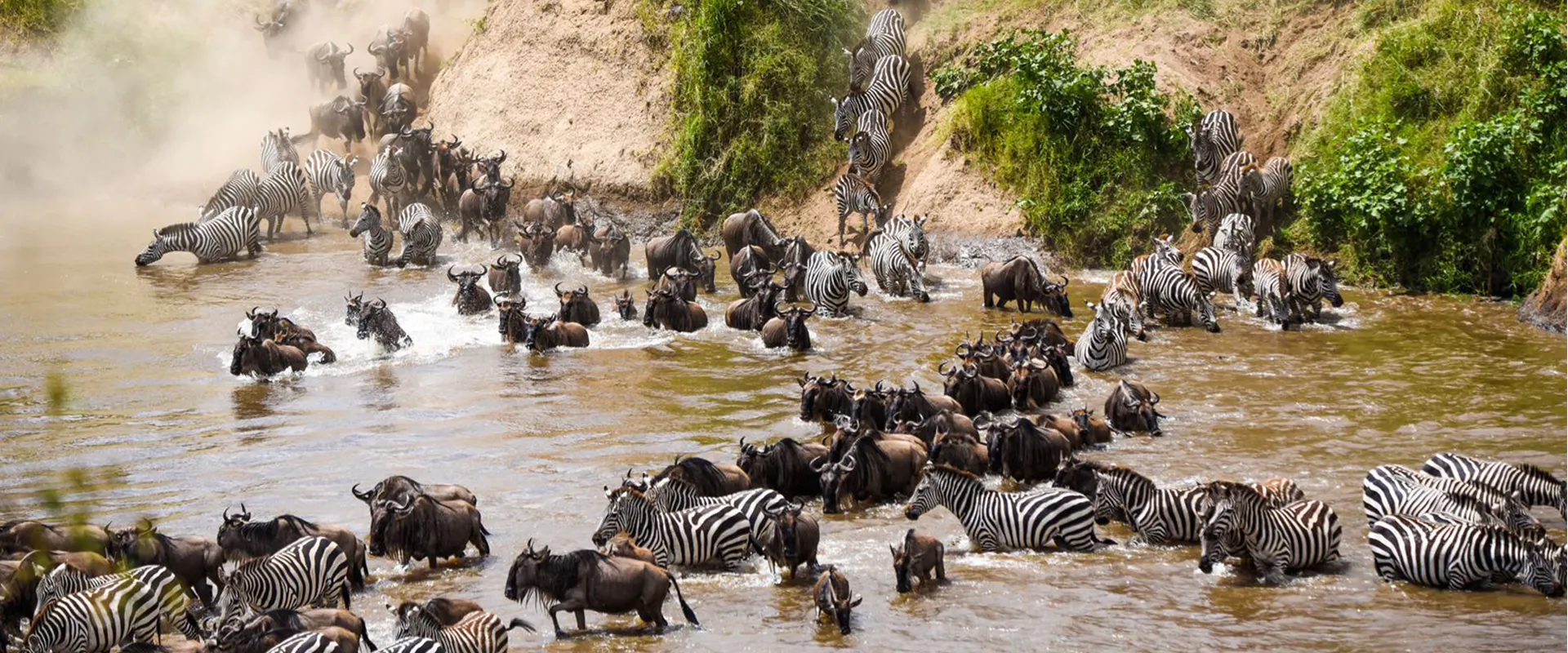
Knowing the difference between a topi and a Thomson’s gazelle makes each sighting more meaningful. Glossary snapshot cards—a set of palm-sized visual references—make it easy for guests to identify animals, birds, plants, and Maasai cultural terms throughout their safari. Each card features a clear photo, the name in English and Maa, a quick ID tip, and one cultural or ecological fact. Designed with travelers in mind, the cards are waterproof, lightweight, and color-coded by category. Some versions come in lanyard pouches; others slot into seat-back pockets in safari jeeps. Guests often collect them like trading cards, adding to the fun. Field guides pass them out during slow drives or pre-dawn tea. They’re especially loved by children and first-timers who find thick field books overwhelming. Digital versions are sometimes loaded onto tablets or linked via camp app. These snapshots don’t aim to replace in-depth learning but spark curiosity in manageable bites. Over time, they build confidence and connection, encouraging guests to name, understand, and value what they see. More than flashcards, they’re mini-portals into the rich layers of the Maasai Mara ecosystem.
“Ethical Safari Checklist”

Responsible tourism in the Mara starts with awareness. The Ethical Safari Checklist is a concise guide—often printed on recycled paper or included in digital welcome kits—that outlines essential dos and don’ts for travelers. Topics include keeping safe distances from wildlife, respecting Maasai customs, supporting locally-owned lodges, minimizing plastic use, and understanding how to spot greenwashing in conservation claims. It’s structured like a checklist but framed with tone and warmth rather than reprimand. Visitors are encouraged to tick items off as they go, fostering pride in mindful actions. Many lodges post laminated versions in communal areas and review them during orientation. The checklist also features a section called “Ask Before You Post,” prompting guests to consider whether photos of people, animals, or rituals are respectful to share. Some versions even include pledges guests can sign as a symbolic gesture. It’s not about guilt—it’s about guidance. For eco-conscious travelers and newcomers alike, it turns abstract ethics into tangible habits. By normalizing small but meaningful choices, the checklist helps travelers leave the Mara better than they found it—not just in memory, but in measurable impact.